Read and discover
The vine, the Father, and the disciples
Explore and study
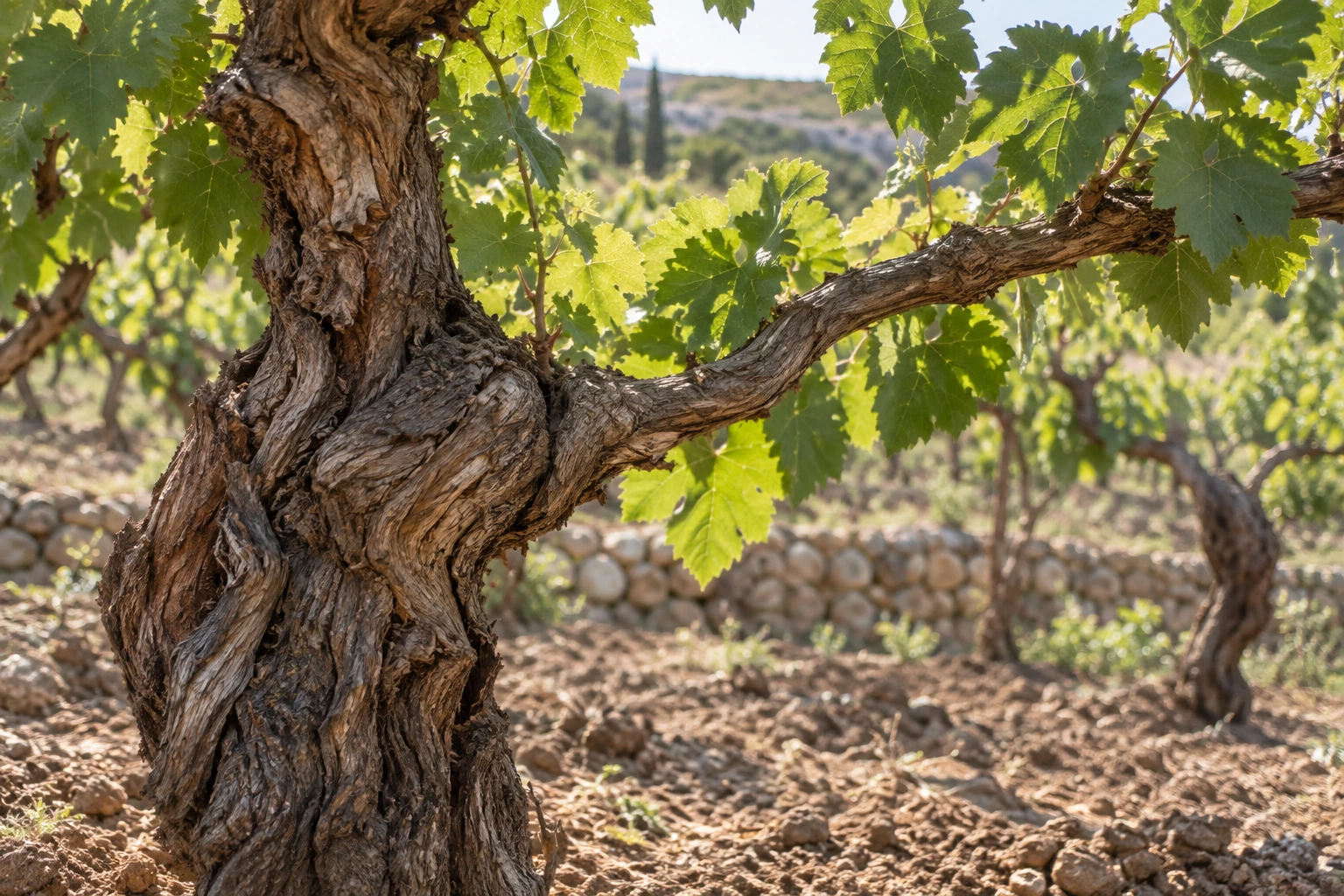
Joined to the vine
A living branch remains joined to the vine. Jesus uses this simple relationship to teach His disciples about abiding in Him.
During His farewell teaching, Jesus names Himself as the true vine and His Father as the husbandman. The disciples are the branches. The picture begins with dependence: a branch does not supply its own life independently of the vine to which it belongs. John 15:1-17
Read and discover
The life that bears fruit
Explore and study
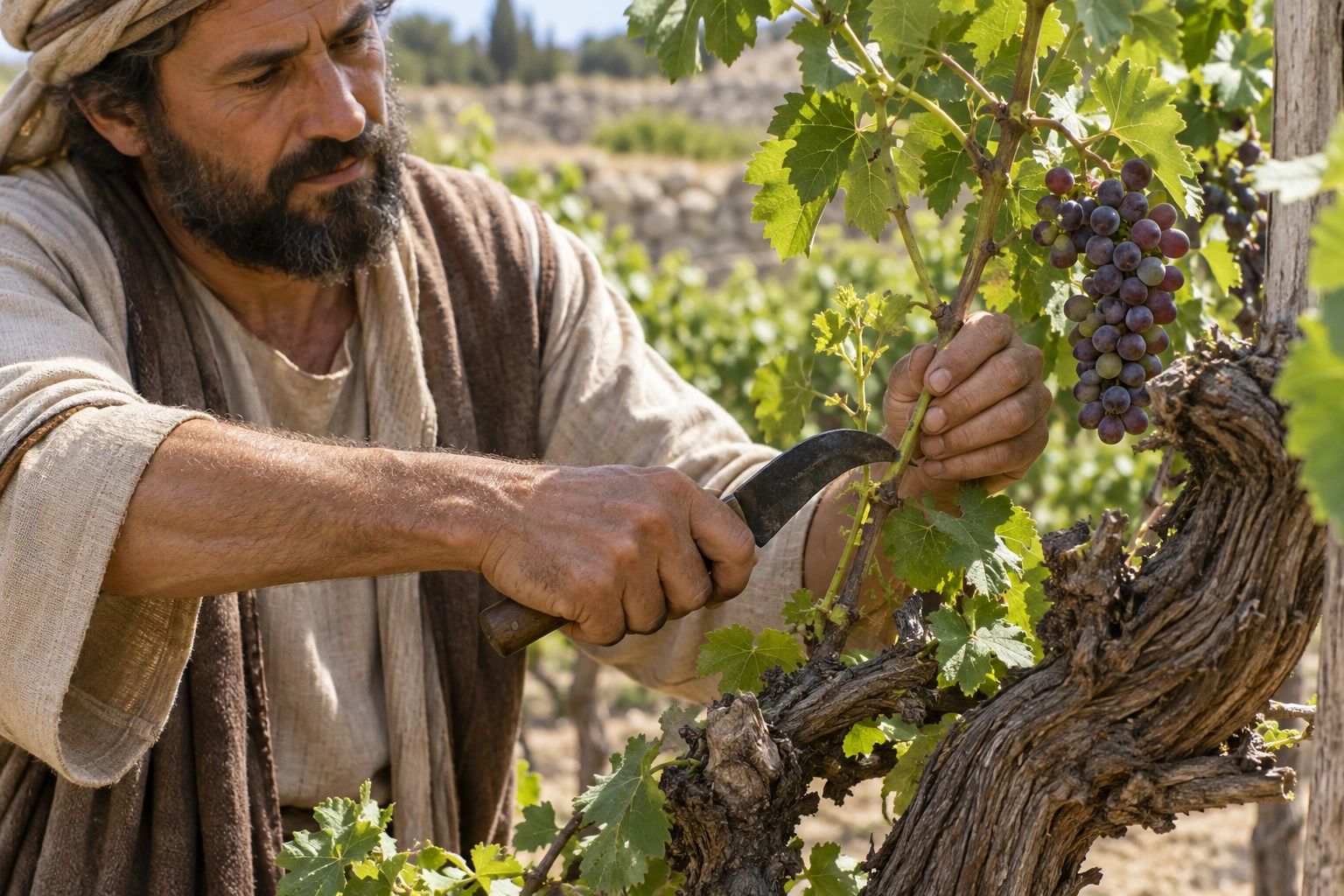
Tending the vine
A keeper works carefully among the vine's leaves and branches. Jesus uses the tending of a fruitful vine in His teaching about abiding in Him.
The Father tends the growth, and Jesus invites the disciples to abide in Him. The repeated concern is fruitfulness. Remaining connected is not described as a decorative attachment; it is the relation through which the branch can bear fruit.
Explore and study
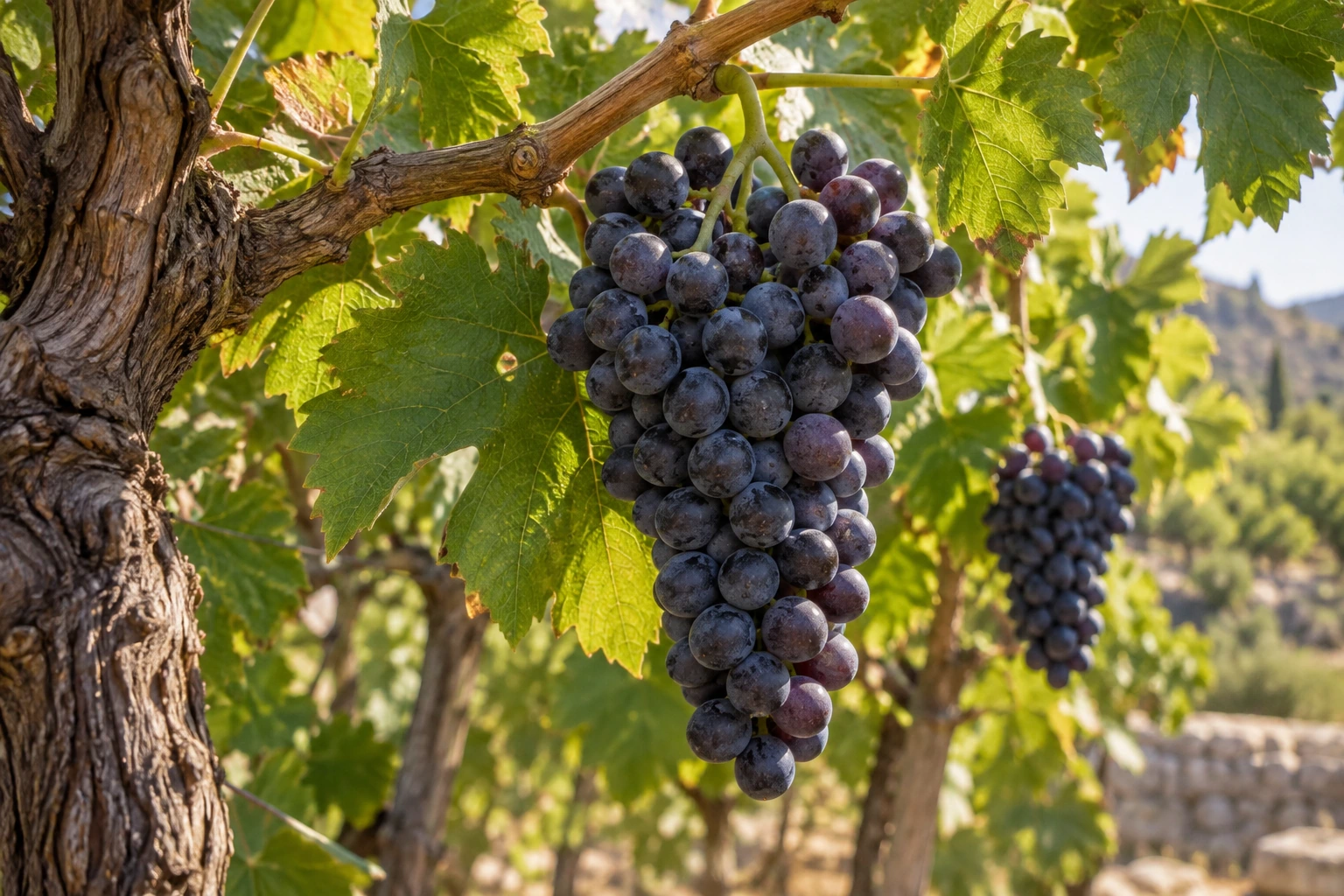
Fruit on the living branch
Fruit hangs from the living branch. Jesus joins this image of fruitfulness with His invitation to abide in Him.
As the passage develops, abiding is joined with Jesus' words, His love, and keeping His commandments. He speaks of His joy and commands love for one another. Those surrounding teachings keep the vine from becoming a vague picture of feeling close without response.
Read and discover
Abiding in His love
Pruning is part of the image, but it should not be used to announce why a particular person has suffered. The passage does not authorize us to identify a bereavement, illness, or injury as a specific act of divine pruning. Its stated invitation is to abide in Christ.
For reflection, consider what helps His words remain present in your choices and relationships. Prayer, study, repentance, and acts of love can be considered as responses to that invitation. Fruit is received through dependence on Him, not offered as proof that a person needs no help.
Continue with Jesus Christ
The Sower
The same seed meets different ground. Jesus explains what can prevent His word from taking root and what makes room for enduring fruit.
Open study →The Good Shepherd and the Door
The shepherd knows, calls, leads, and gives His life. Jesus identifies Himself through a sustained picture of care and willing sacrifice.
Open study →Hearing and Living His Word
Continue through the connected teachings in this collection and compare their distinct settings.
Open study →