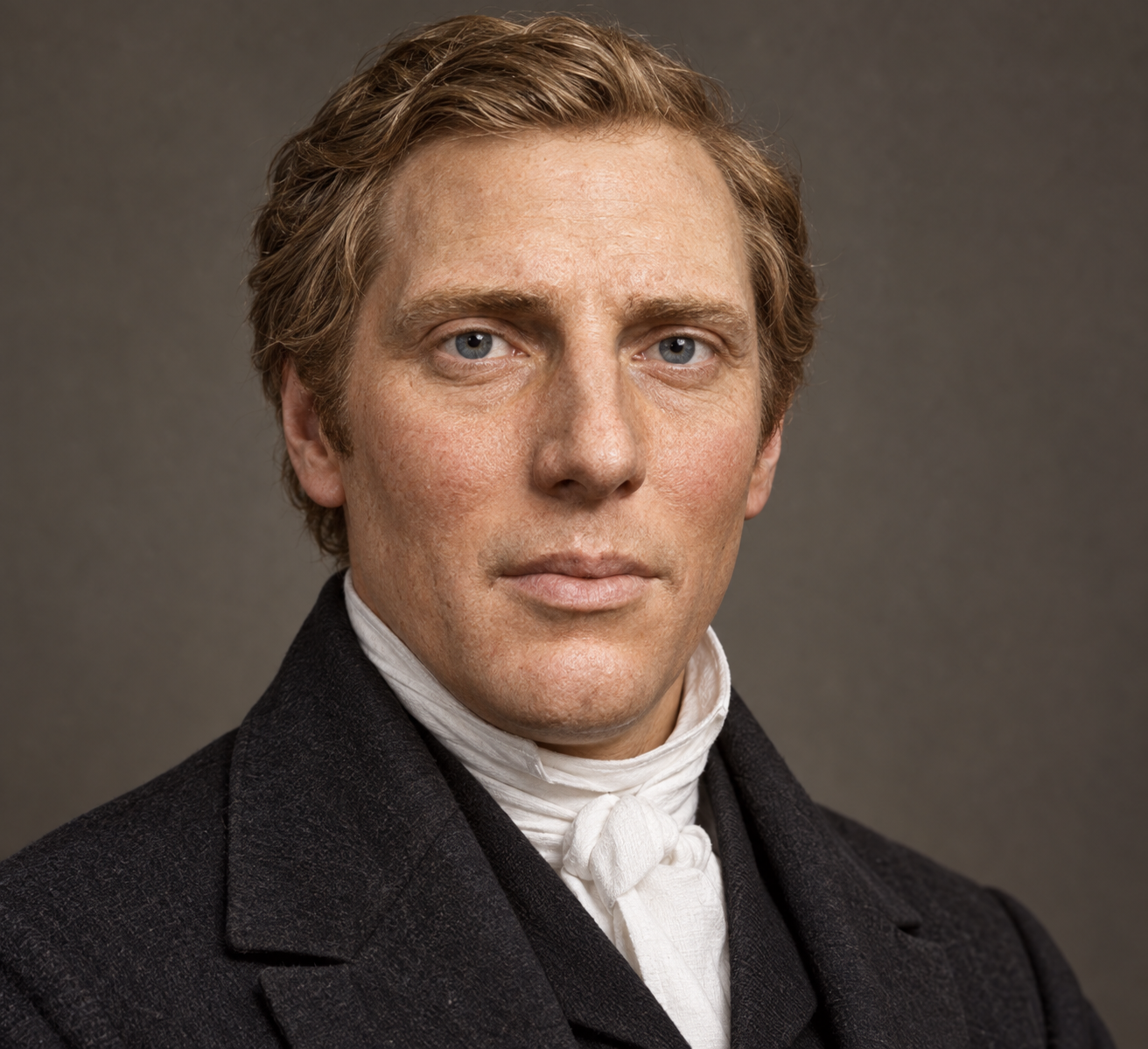
A familiar face can make a distant life feel closer. This journey follows the surviving evidence and the choices behind the likeness used in our new Joseph Smith artwork.
Creative interpretation · Explore the picture
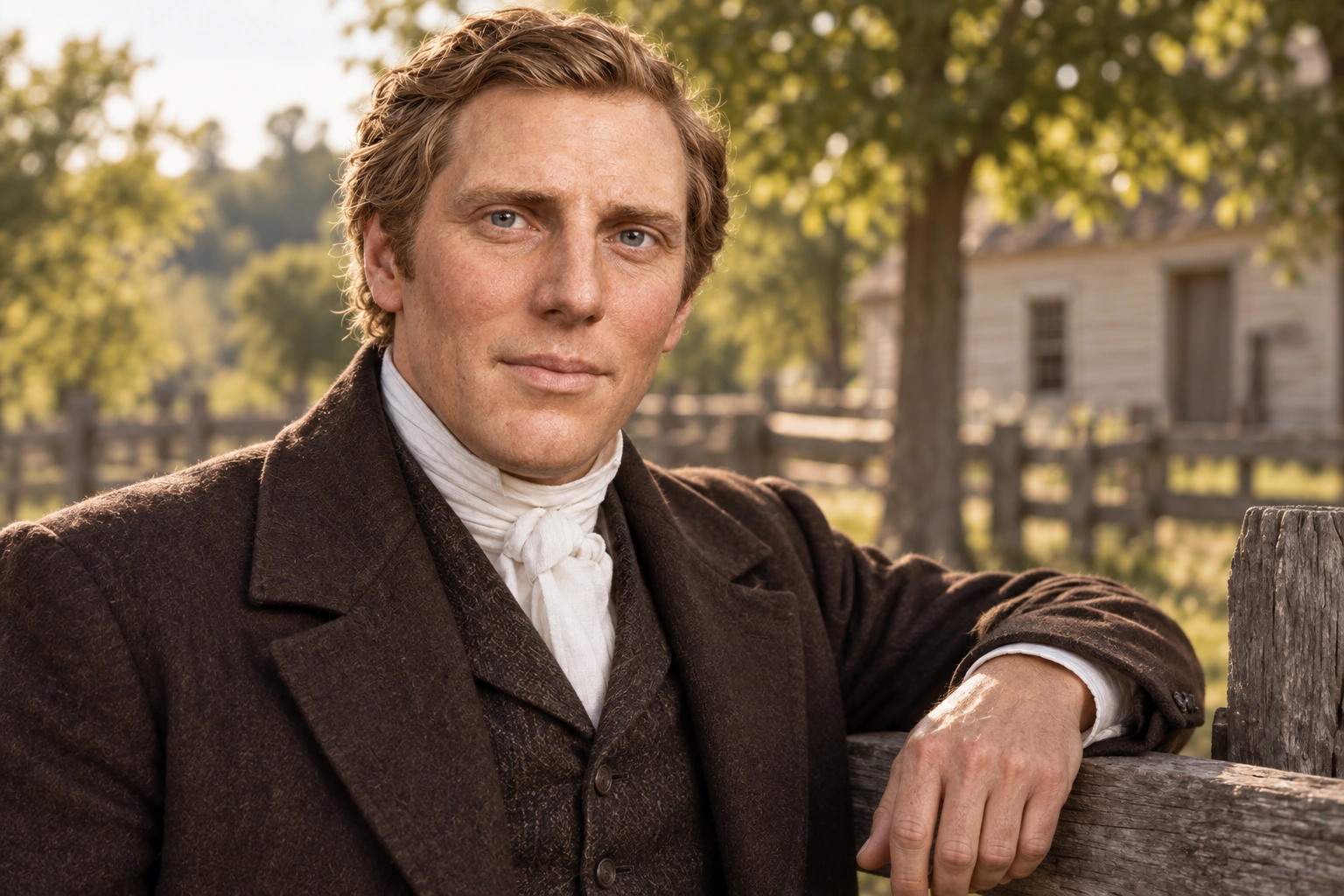
A moment of warmth
A relaxed gaze and a slight smile bring warmth to this imagined moment. The face follows our adopted portrait; the setting and expression are creative choices, not a record of a particular encounter.
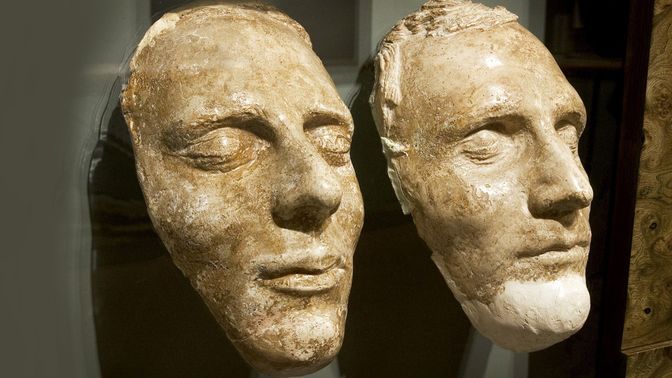
The museum dates George Cannon’s molds to June 29, 1844, after the brothers’ deaths. The date when the surviving casts were made is unknown. Their forms offer important evidence of facial proportions, while repairs and copying complicate individual details. Follow the masks’ history.
Explore the evidence: casts, copies, and 3D models
The museum distinguishes the Dibble masks from the Pedestal masks, whose history is less certain. Some details differ because of repair or finishing. Treat each object as a source with its own history.
Church History specialists later used photographs from many angles to create detailed 3D models of the surviving masks. You can examine those artifacts through the official downloads. A model of a cast does not supply a living expression, eye color, or hair.
Choose one feature you can see in the mask. What can you observe directly? What would you need a portrait, written description, or another source to explore?
03 · A moment held by an artist
Joseph sat for a portrait
Creative interpretation · Explore the picture
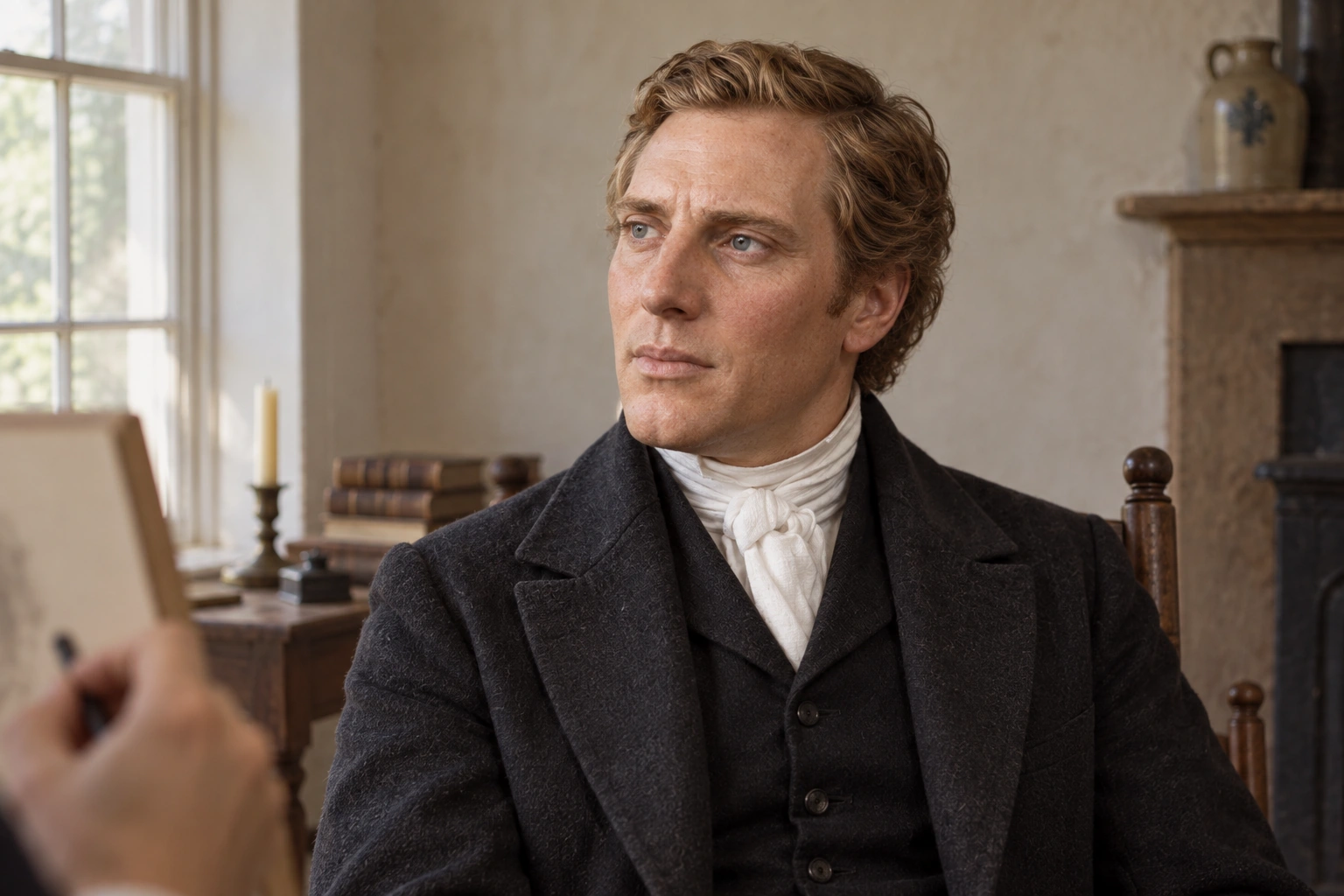
Sitting in the light
Joseph waits in the window light as an artist works nearby. This imagined sitting introduces a real question: what can a portrait made from life preserve, and what does the artist’s style contribute?
Joseph’s journal records a sitting for a profile on June 25, 1842. The Joseph Smith Papers identifies the artist as Sutcliffe Maudsley. A portrait made from life is valuable evidence, but its line, angle, and style still deserve attention. Read the entry and its annotation.
Explore the evidence: the surviving portraits
The museum traces Maudsley’s Nauvoo portraits and their influence on later images. Compare the historical examples with the creative scene above; that scene does not reconstruct a documented room or identify the unseen artist.
Look at the historical profile and the museum mask. Notice how viewpoint changes the nose, jaw, and eye area. Which differences might come from angle or artistic technique?
04 · From references to a consistent likeness
How we developed the focusChrist portrait
Creative interpretation · Explore the picture
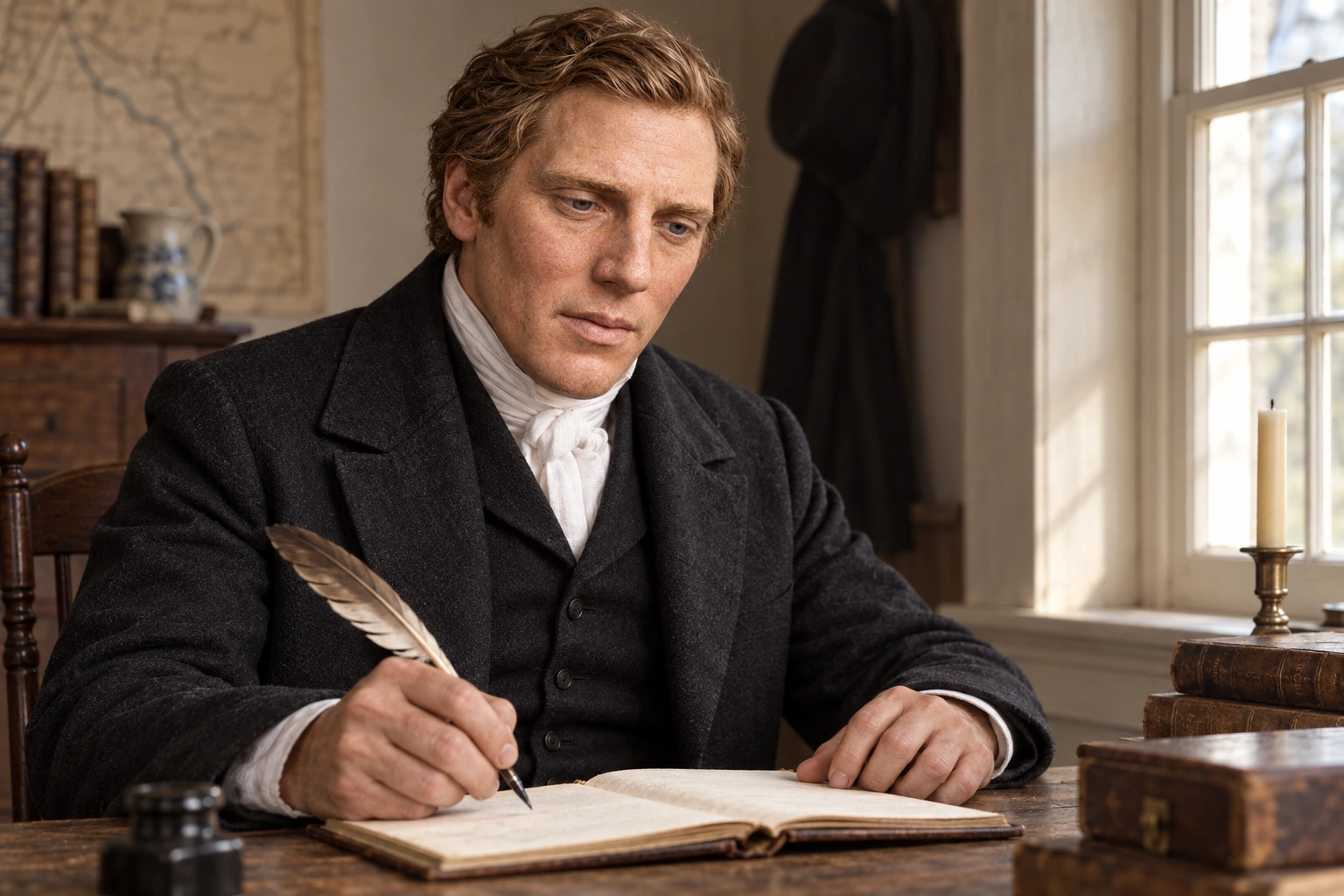
A quiet page
Joseph looks down at the open page, intent on his work. The pose changes the way his face catches the light. No particular letter, revelation, or journal entry is being depicted.
Our portrait was developed using the Church History Museum’s death-mask references. Joseph’s masks informed the facial proportions; Hyrum’s were considered for comparison. We adopted the resulting artistic portrait as the reference for new scenes, keeping the same recognizable face as pose and expression change.
Explore our process: evidence, interpretation, and review
Begin with the references. The masks inform structure. Historical portraits and descriptions help readers examine appearance from other perspectives.
Make the creative choices visible. Living eyes, skin, hair, expression, clothing, and light require interpretation. The adopted portrait is not an authenticated photograph or a forensic identification.
Keep the person recognizable. New scenes use the adopted portrait as their image reference. We compare faces, hands, expression, clothing, and the full composition, including how the picture reads on a phone.
This page’s artwork follows that process. Our project record establishes how we developed and adopted the image; it does not establish historical certainty about every feature.
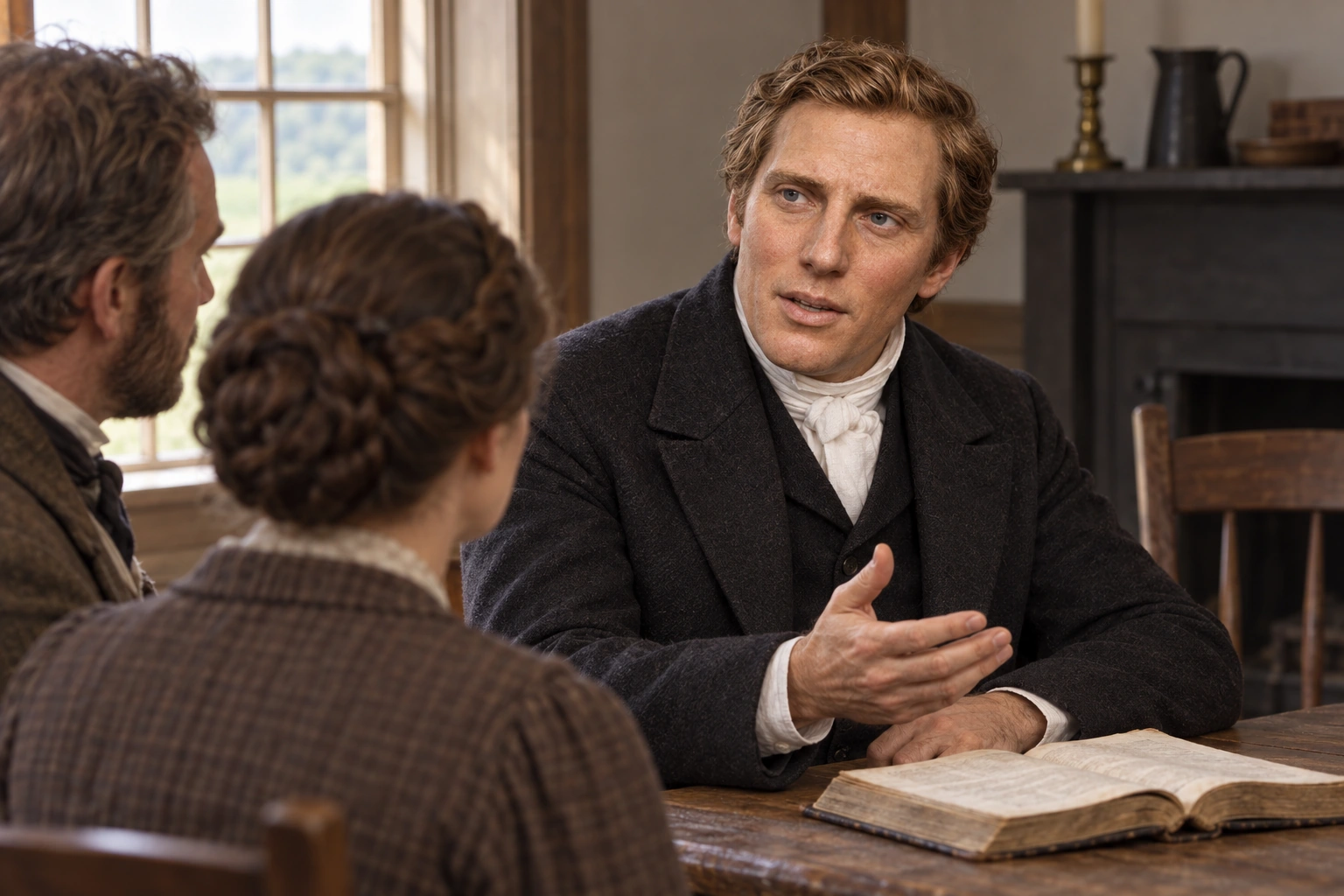
An open hand and attentive eyes give this imagined conversation its movement. The listeners are unnamed, and the encounter is not tied to a recorded event. The portrait supplies a consistent face; the human moment is an artistic choice.
Written descriptions can add movement, voice, and personal impressions to the visual record. They also differ. The Church’s survey of Joseph’s appearance brings several accounts together and shows why no single description gives a complete picture. Explore the descriptions.
Reflect: what does an expression add?
Compare the attentive face at the desk with the outdoor portrait. What changes in your response? Which part comes from the historical evidence, and which part comes from the artist’s choices?
06 · Follow the life as well as the likeness
Keep exploring Joseph Smith
Let the pictures lead you back to the person’s words, work, and historical setting.
The mask photograph is historical source material. The four new scenes are creative interpretations made for this study using the adopted focusChrist portrait. The project’s portrait-development record supplies the account of our own process.