
Yes. Members of The Church of Jesus Christ of Latter-day Saints identify themselves as Christians because they worship Jesus Christ, believe salvation comes through Him, and seek to follow His teachings.
focusChrist is independent and does not speak for the Church. Official Church sources are linked below so readers can examine the Church’s own explanation.
Watch and study
Hear a Convert Explain His Christian Faith
In Are We Christians?, Elder Gary J. Coleman discusses his conversion, the Godhead, additional scripture and revelation, and priesthood authority. His account offers a personal introduction to several beliefs that make this question important to people from different Christian traditions.
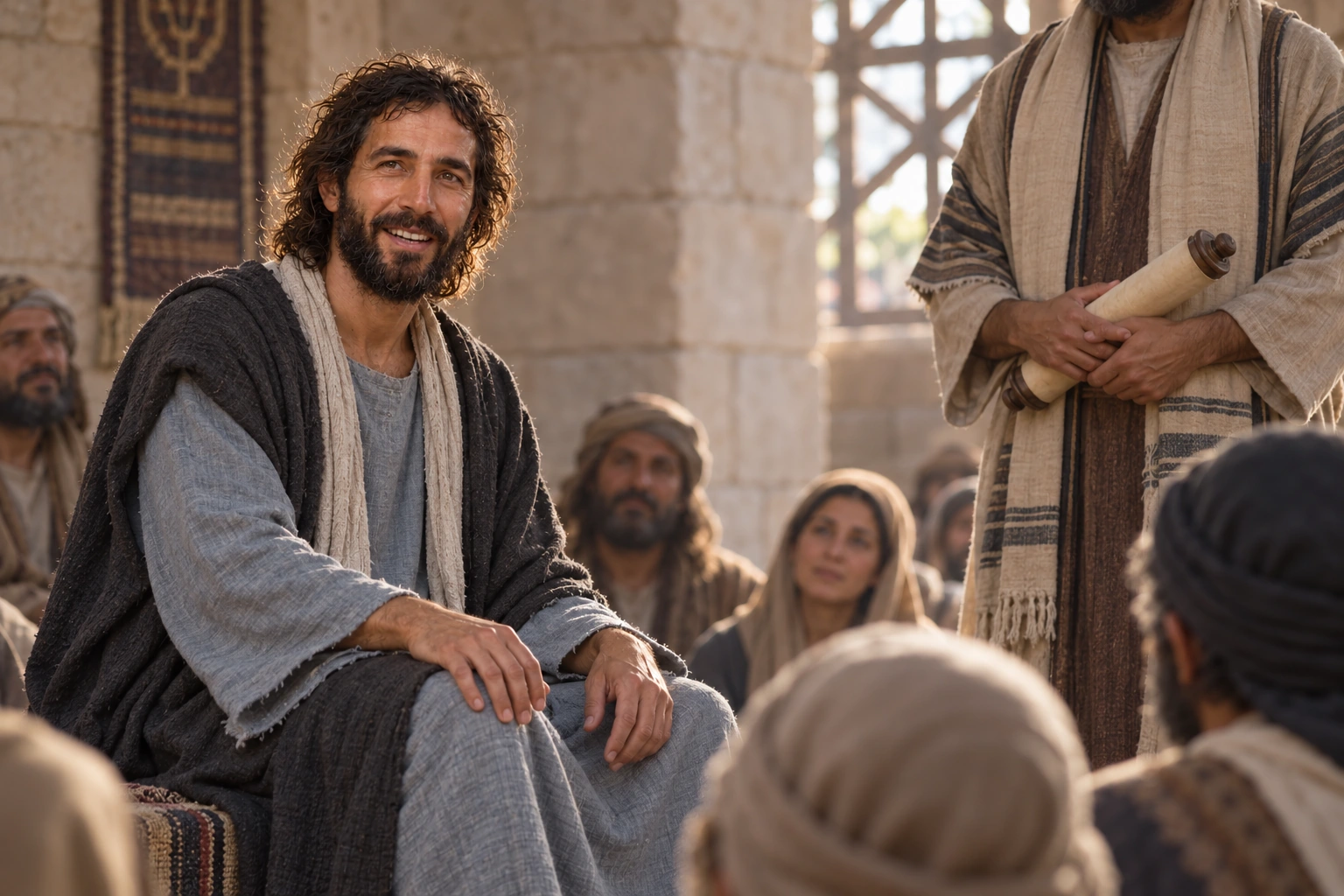
Explore and study
This scripture is fulfilled
After reading Isaiah, Jesus sits and tells the synagogue that the scripture is fulfilled in their hearing. Every eye turns toward Him.
As you watch, distinguish his experience from the doctrinal claims you want to examine. Then read Articles of Faith 1:1, 3-4. These statements name the Father, Son, and Holy Ghost, place salvation through Christ's Atonement, and describe faith, repentance, baptism, and the gift of the Holy Ghost. Which belief would you like to understand in its own terms before comparing it with another tradition?
Why Latter-day Saints Use the Word Christian
For Latter-day Saints, Christianity is centered on Jesus Christ. They believe He is the Son of God, the promised Messiah, the Savior of humanity, and the risen Lord. They pray to Heavenly Father in Christ’s name, take the sacrament in remembrance of Christ, are baptized in His name, and organize worship around His gospel.
Beliefs Shared with Other Christians
Latter-day Saints believe Jesus was born of Mary, ministered in the Holy Land, taught the way of salvation, suffered and died on the cross, and rose bodily from the dead. They accept the Bible as scripture and affirm that redemption from sin and death comes through the Atonement and Resurrection of Jesus Christ.
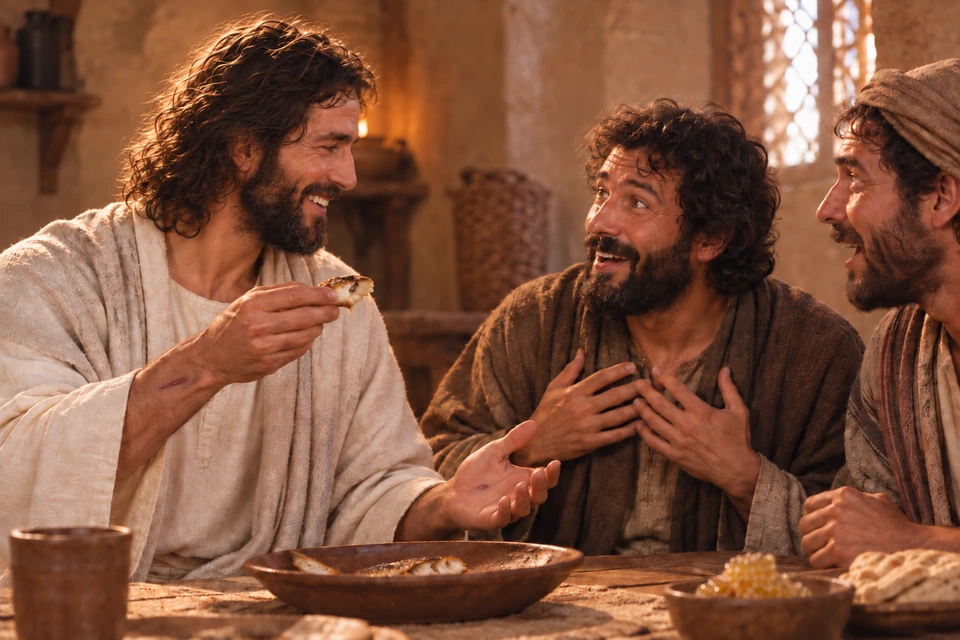
He eats before them
The risen Savior eats before His disciples. Continue with their witness of His bodily Resurrection.
Read “He eats before them” in The Redeemer and Risen Lord →Why Some Christians Disagree
Some Christian traditions do not classify Latter-day Saints as Christian because Latter-day Saint teachings differ from historic creeds formulated after the New Testament period. One important difference concerns the nature of God. Latter-day Saints understand the Father, the Son, and the Holy Ghost as distinct divine beings perfectly united in purpose. Nicene Christianity teaches one God in three distinct persons who share one divine nature. The Catholic Catechism, paragraphs 253-254 explains that belief in its own terms. Latter-day Saints also accept additional scripture and believe priesthood authority and the organization of Christ’s Church were restored through Joseph Smith.
Difference Does Not Remove Christ from the Center
These differences matter deeply to people on both sides of the conversation. Respectful discussion allows each tradition to explain its beliefs fairly. Latter-day Saints understand their restored doctrines as teachings about Christ and His work. The Church’s own name places Jesus Christ at the center, and its first Article of Faith begins with belief in God the Eternal Father, His Son Jesus Christ, and the Holy Ghost.
A Fair Way to Evaluate the Question
Rather than relying only on labels, a seeker can ask what a faith actually teaches about Jesus Christ, how its members worship, what its scriptures testify, and whether its disciples are trying to follow Him. Latter-day Saints answer the question of Christian identity by pointing to their faith in the living Christ and their dependence on His grace.
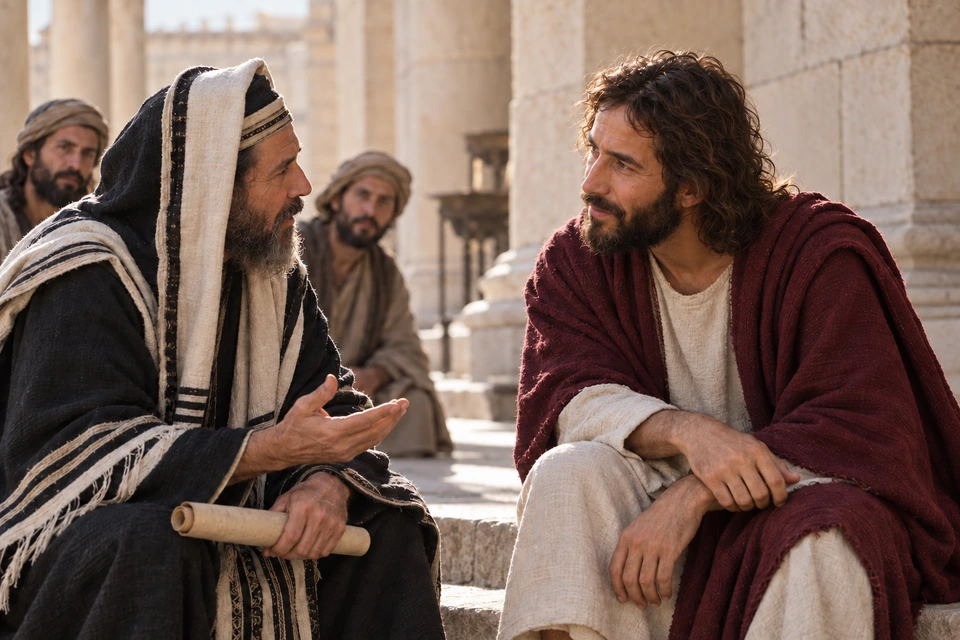
A thoughtful answer
Jesus answers a scribe’s thoughtful question. Read their conversation about loving God and our neighbor.
Read “A thoughtful answer” in The Teachings and Parables of Jesus Christ →Having the Conversation with Respect
If this question comes up with a friend, it helps to ask what each of you means by Christian. One person may be speaking about faith in Jesus; another may be asking about agreement with a particular creed. Understanding that difference can make the conversation clearer without requiring either person to set aside convictions.
John 13:34-35 records Jesus teaching His disciples to love one another. Consider that passage alongside the doctrinal sources below. It offers a way to approach the conversation with care, even where agreement is not possible.
Watch and study
What Does Christian Belief Ask of a Disciple?
In Believers in the Book of Mormon, Elder Joseph B. Wirthlin connects belief in the Savior with conduct that follows His teachings. Use this message to explore a further question: How should a confession of faith shape the way a person lives?

Return to John 13:34-35, where Jesus teaches His disciples to love one another. Consider how that teaching might shape a conversation with someone who disagrees with you. Christian conduct and theological definitions are both worth examining. A kind encounter can help people understand one another while leaving room to discuss real doctrinal differences.
Study the Question Through Scripture
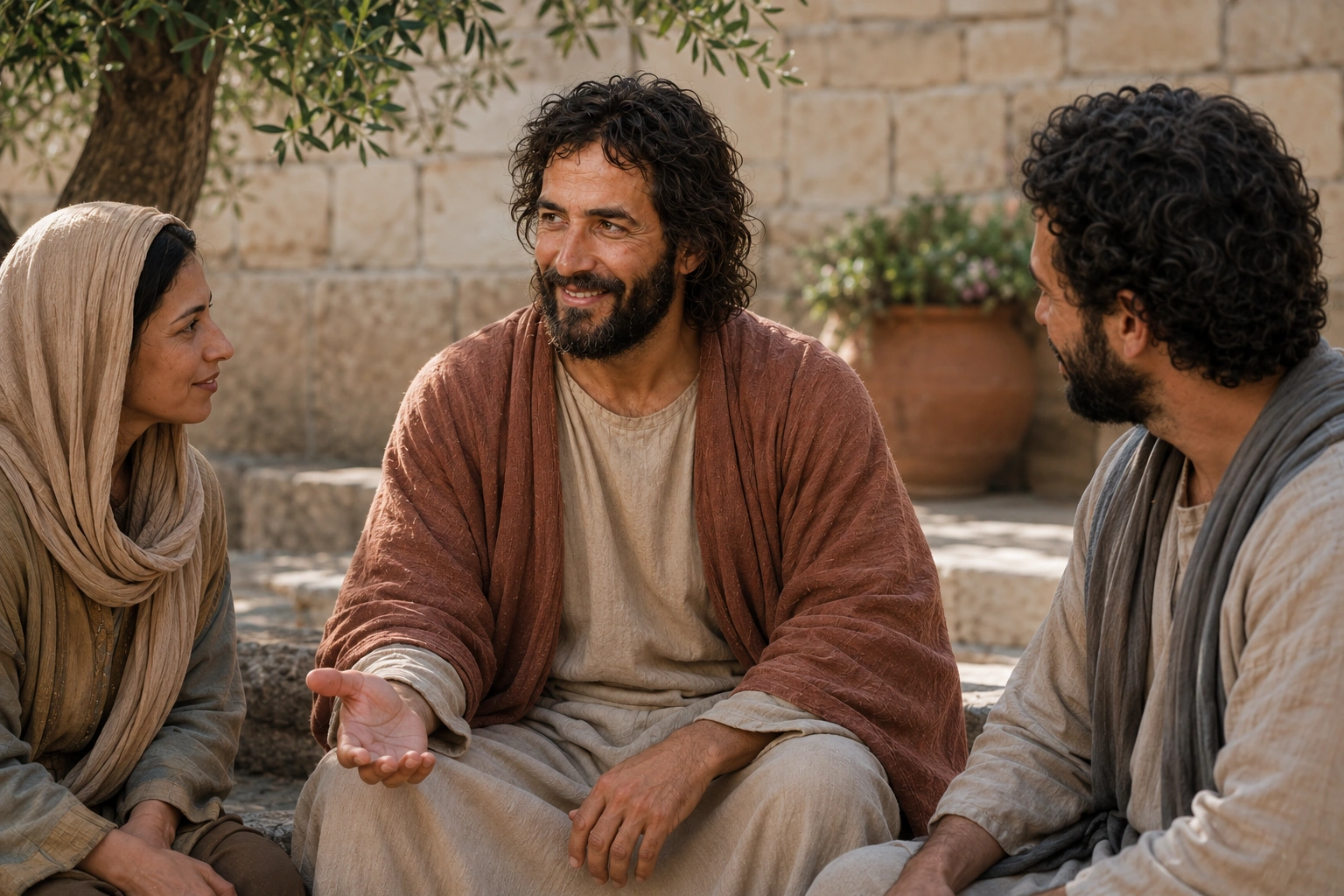
Explore and study
Learn from Christ, then practice His teaching
Jesus Christ teaches two attentive disciples. His commandment to love one another places recognizable Christian discipleship in the patience, honesty and charity shown across differences in belief.
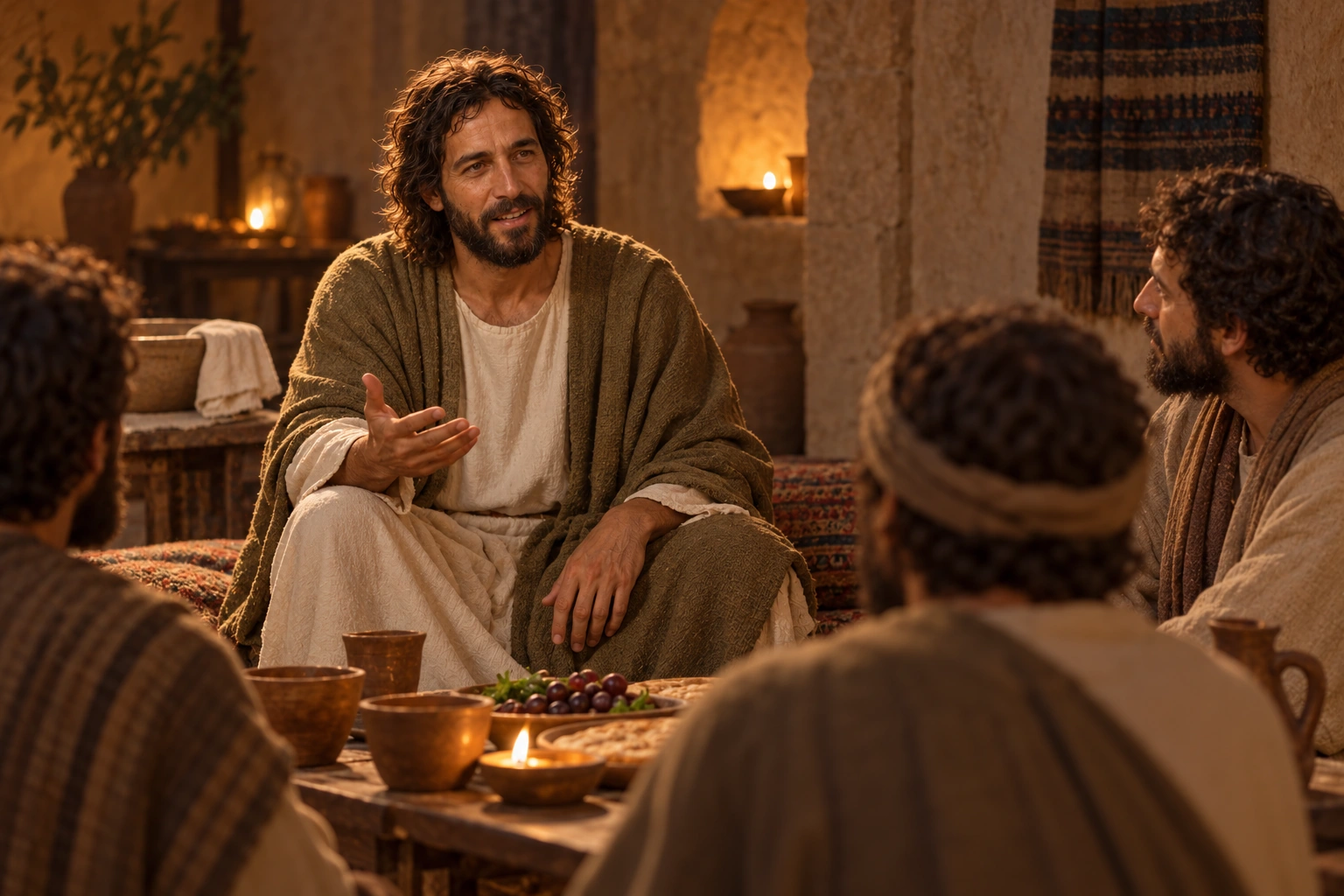
Explore and study
After the basin, an invitation to serve
After washing His disciples' feet, Jesus sits with them again and asks them to follow His example of service.
The word Christian can name a commitment to Jesus Christ, membership in a historical tradition, or agreement with a creed. Those meanings overlap, but they are not identical. The readings below help separate the questions: Who is Jesus? How does salvation come through Him? What does following Him ask of us? Read the passages before drawing a conclusion about a community.
Begin with the death and Resurrection of Jesus
1 Corinthians 15:1-8, 12-22 records Paul teaching the Corinthians about Christ dying for sins, being buried, rising again, and appearing to witnesses. He then explains why resurrection is essential to Christian hope. This is foundational to the Latter-day Saint confession of Christ as Savior, and to the faith of many other Christians. Ask what would be lost from the gospel Paul describes if Christ were only a moral teacher.

Explore and study
Grace that leads to discipleship
A hand rests beside an open Bible and handwritten notes, lingering over Paul's promise of grace. The gift comes through Jesus Christ, and the life that follows is shaped by love and good works.
Read what Latter-day Saint scripture says about salvation
2 Nephi 31:13-21 describes repentance, baptism, receiving the Holy Ghost, and continuing with faith, hope, and love. Its conclusion places salvation in the name of Christ. This passage helps explain why Latter-day Saints connect discipleship and ordinances to dependence on the Savior. It is a statement of their scriptural belief, not a demand that a visitor already accept the Book of Mormon.
Consider grace and the life of a disciple together
Read Ephesians 2:8-10 alongside James 2:14-18. Paul describes salvation as God's gift and then speaks of a life of good works. James asks what faith means when a person in need is left without help. These passages should not be reduced to a contest between grace and kindness. They invite careful study of how trust in Christ shapes action. Christian traditions differ in how they explain faith, sacraments, works, and justification; this brief comparison does not resolve all of those differences.
Look closely at the Father and the Son
In John 17:1-5, 20-23, Jesus prays to the Father and asks for unity among His disciples. Latter-day Saints read this in harmony with their belief in distinct members of the Godhead united perfectly. Nicene Christians also recognize the distinction of Father and Son, while affirming one divine being. The disagreement is not whether Jesus prayed to the Father, but how the whole scriptural witness is understood. Read each tradition's explanation on its own terms rather than expecting this chapter alone to settle the question.
Questions Worth Taking Time With

Explore and study
Bring your question into the light
Beside a sunlit window, a woman studies with her book and notebook open. She gives the question time, trusting that honest understanding begins by listening carefully and seeking truth in the light.
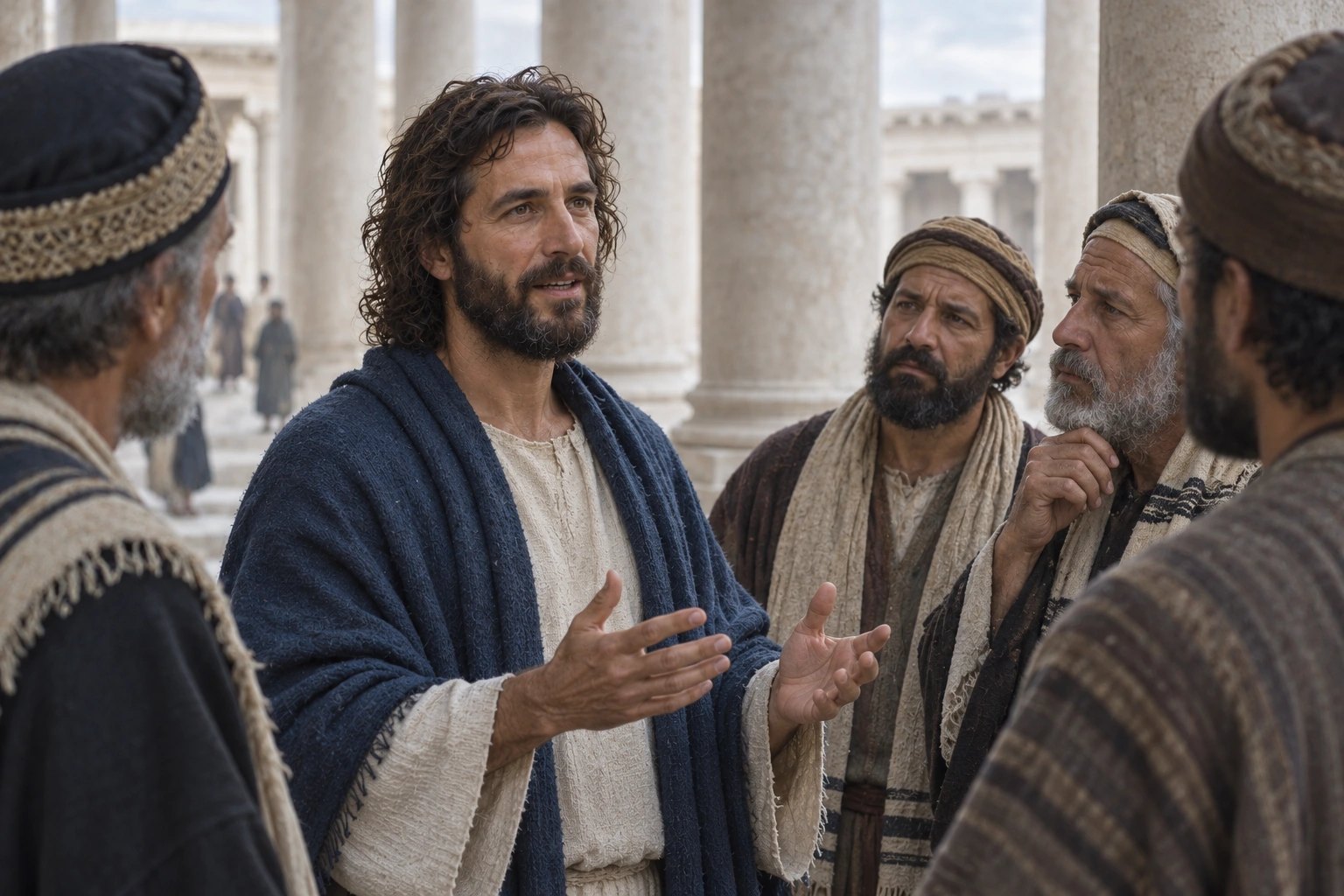
Explore and study
In Solomon’s porch
In Solomon's porch, Jesus answers questions about His identity and speaks of His care for those who hear His voice.
Does Christian identity mean all beliefs are the same?
No. Acknowledging that Latter-day Saints identify as followers of Jesus does not erase disagreements about God, authority, scripture, or salvation. You can describe their self-understanding accurately while also explaining why your own tradition reaches a different theological judgment.
Why does additional scripture matter to this discussion?
The question involves authority as well as belief in Jesus. Latter-day Saints receive the Bible and additional scripture, while many other Christians do not accept those additional books as authoritative. The Book of Mormon study explains the book's claims, content, and invitation to read, so you can consider that question directly.
What could I reflect on after reading?
Write down one belief you understand more clearly, one difference you want to examine fairly, and one question you would ask a friend without trying to win an argument. Distinguish what a source actually says from what you previously heard about it.
Enough to share

Explore and study
Daily bread can be shared with dignity.
Christ steadies a wrapped parcel while an older man places vegetables in a cloth bag. Other people work among the pantry shelves behind them. Their shared glance makes the practical task feel personal.
In Matthew 25, feeding someone who is hungry is an expression of service to Christ. Food meets an immediate need, and a respectful conversation honors the person receiving it. Sharing bread can also bring friendship. The pleasure of eating together belongs to everyone at the table.
How can your help preserve another person's dignity?
A Guided Conversation About Belief and Belonging

Explore and study
Let a conversation lead to care
Two women prepare a meal together, turning conversation into a practical act of care while leaving room for different beliefs.
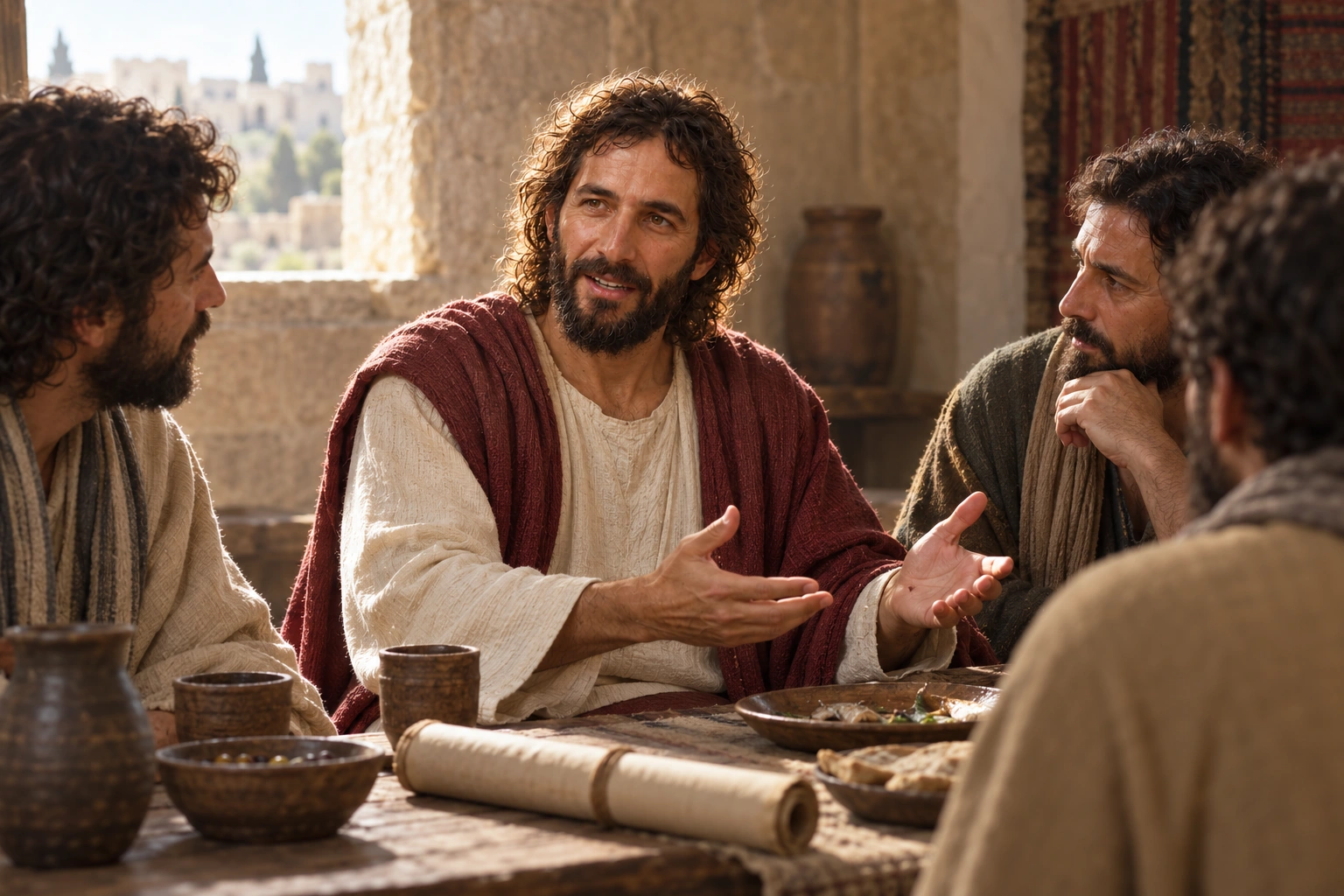
Explore and study
He opens their understanding
After eating with His disciples, the risen Jesus helps them understand the scriptures. He connects what they have read with His suffering, Resurrection, and the witness they will carry.
These focusChrist study suggestions offer a way to explore the sources at your own pace.

Explore and study
Listen while discussing belief
Three friends gather around an open Bible and listen without interrupting. Their patience shows how Christ's command to love one another can guide even a difficult conversation about belief.
1. Make the question specific
Ask your conversation partner whether they want to understand Latter-day Saint worship, compare beliefs about God, or discuss the authority of scripture. Choose one question for this conversation. Give each other time to state a belief before evaluating it.
Try writing a sentence beginning, “What I understand you to believe is...” Invite a correction. This simple practice can reveal that two people have been answering different questions while using the same religious vocabulary.
2. Read a confession in its own words
Open the Articles of Faith linked above. For each statement you discuss, distinguish the wording from your interpretation of it. Ask which words carry a different meaning in your own tradition. Follow the sources in the section on creeds to explore the theological difference more carefully.
You can acknowledge a real disagreement and still describe the other person's conviction accurately. A conversation becomes more useful when a participant recognizes their own belief in your account of it.
3. Let conscience and care shape the exchange
Article of Faith 11 affirms religious liberty for others as well as for Latter-day Saints. As a personal application, give your partner freedom to reach a conclusion without demanding a profession of agreement.
Consider a way to practice the love taught in John 13 after the conversation: remember a concern they shared, offer help they would welcome, or simply keep the friendship open. Respectful conduct matters whether the theological discussion ends in agreement or remains unresolved.
How can I explain my conviction without turning it into an argument?
Describe what you believe about Jesus, identify a source that helps explain it, and speak honestly about why it matters to you. Ask whether your friend wants to share their own understanding. The study of Latter-day Saint beliefs about Jesus Christ can help you move from a label to specific teachings.
Official Sources and Further Study
Where would you like to go next?
Explore what Latter-day Saints believe about Jesus
Move from the meaning of “Christian” to His identity, Atonement, and Resurrection.
Compare the Bible and Book of Mormon
Continue the question of scripture and authority with passages you can read side by side.