General conference video and text
Because I Live, Ye Shall Live Also
The Church of Jesus Christ of Latter-day Saints · October 2012
Study Jesus Christ · Death of a Child
Finding Hope After the Death of a Child
ContinueIf you are grieving a child, we are sorry for your loss. No short answer can hold everything your child means to you. Here you can read about the Savior's compassion and the scriptural promises concerning little children, with room for sorrow and questions that remain.
Watch and study
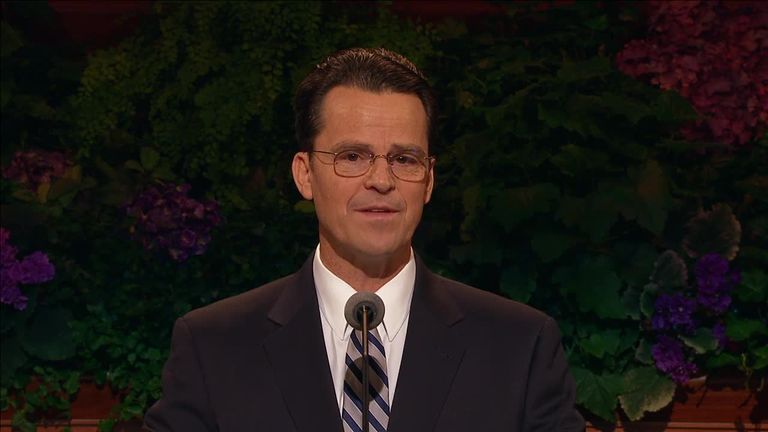
In Because I Live, Ye Shall Live Also, Elder Shayne M. Bowen speaks directly to parents who have lost a child. He describes the death of his infant son and his own sorrow, guilt, and eventual hope in Jesus Christ. The account includes details of the death. You can choose the transcript, skip those details, or leave the message for another day.
General conference video and text
The Church of Jesus Christ of Latter-day Saints · October 2012
Explore and study
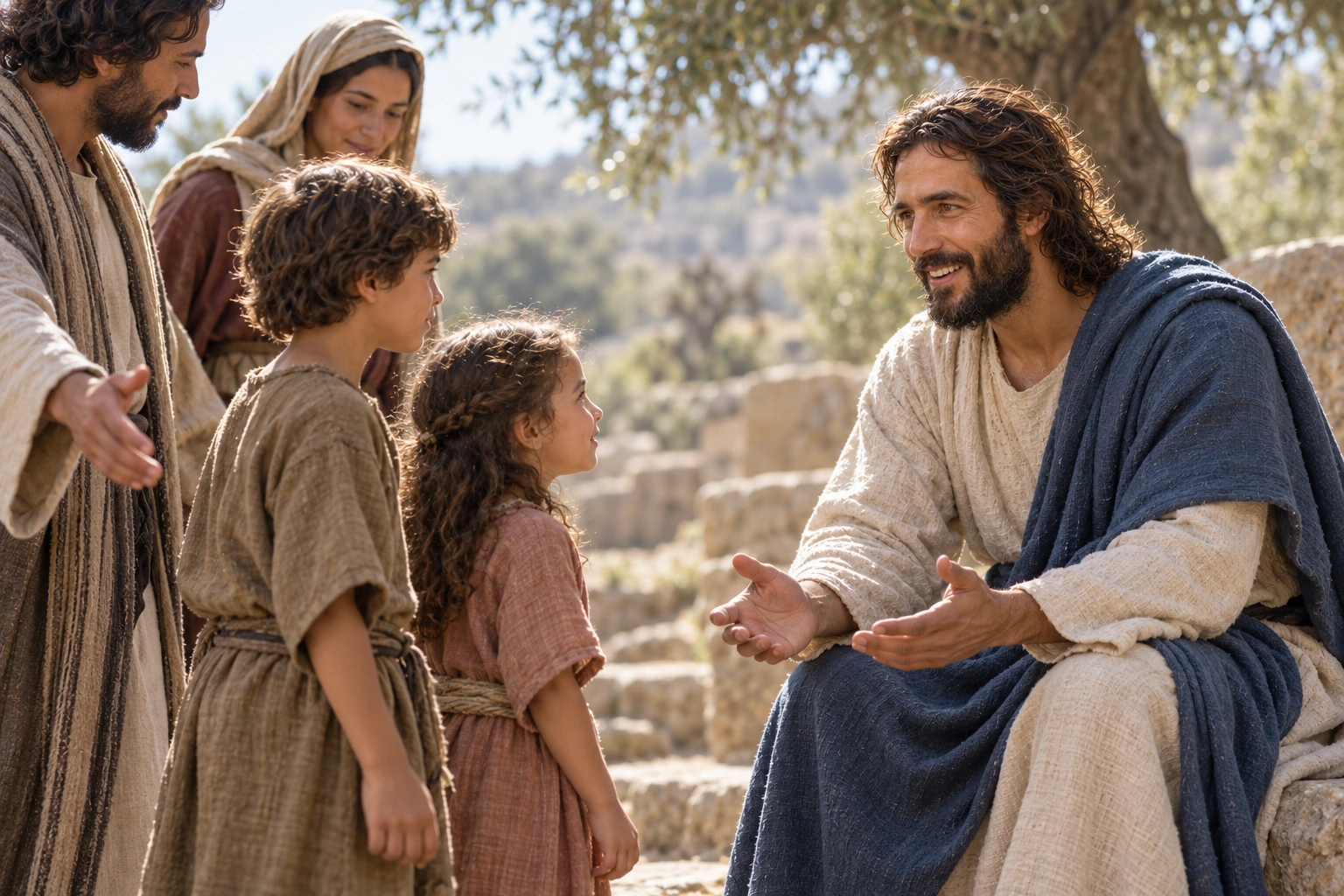
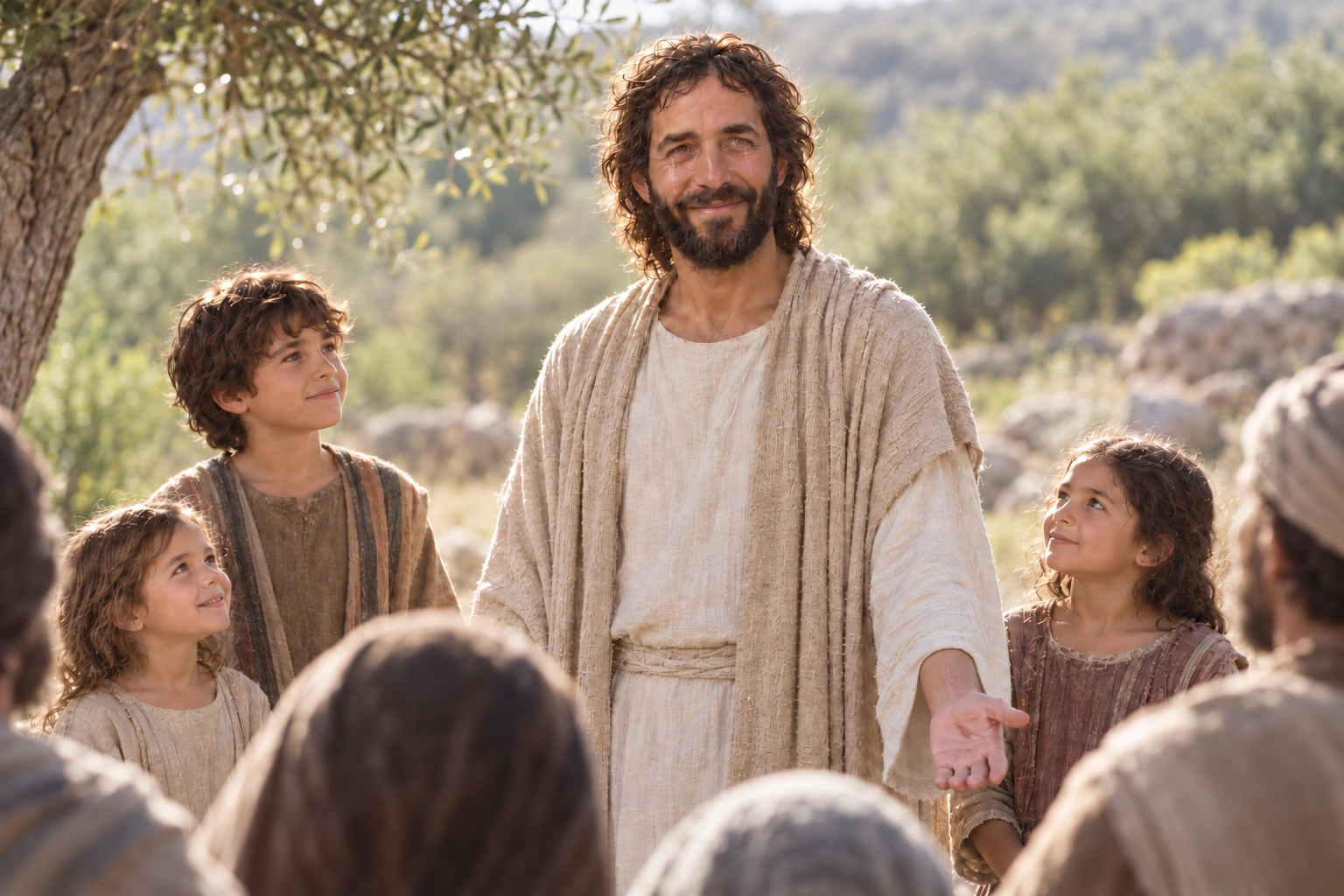
Jesus calls His disciples to let the children come to Him. He receives them as people whose place in His kingdom matters.
He also recalls teaching Moroni 8 to a mother grieving a child who died without baptism. Read that passage with the study below: the teaching about little children addresses Christ's mercy and salvation. It does not supply an explanation for your own child's death.
Elder Bowen distinguishes his experience from what his wife felt and describes love that continued after loss. His account is one father's testimony. You do not need to experience the same feelings, draw the same personal conclusions, or follow the same course of grieving to be welcome here.
Explore and study
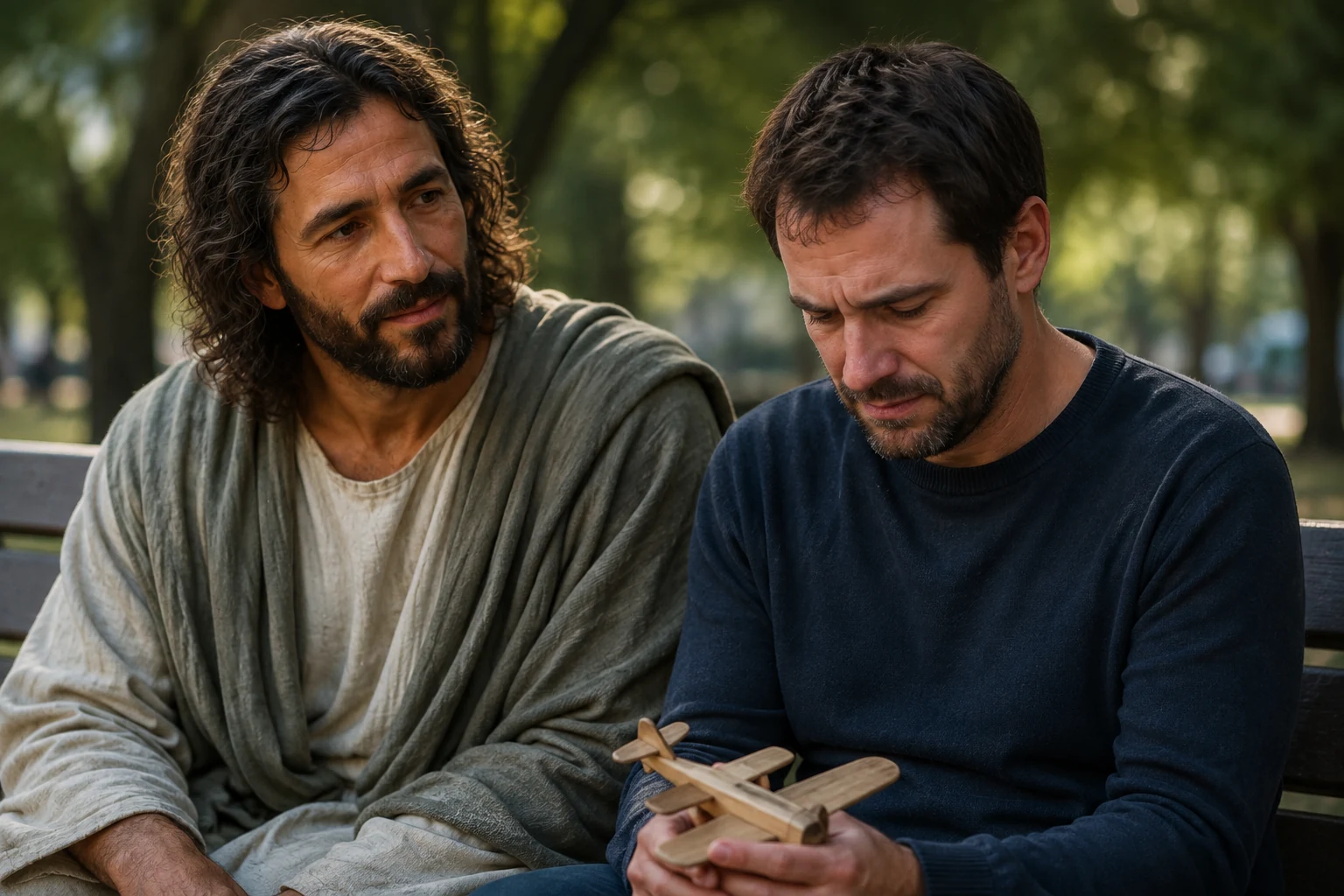
The Savior stays close to a grieving father who still holds a beloved reminder of his child. Nothing in the moment rushes his sorrow; Christ meets him there with tenderness and hope.
Moroni 8:8-12, 19 teaches that little children are alive in Christ through His mercy and do not need baptism or repentance. Their salvation is not lost because they died without baptism.
Doctrine and Covenants 137:10 teaches that children who die before the age of accountability are saved in the celestial kingdom. The promise concerns their salvation; it does not explain why a child died or ask a family to feel less sorrow.
A parent's love does not end at a particular birthday. If your child was a teenager or adult, the verses about little children do not directly answer every question you may have about their eternal future. Doctrine and Covenants 137:7-9 also teaches that God considers people's works and the desires of their hearts. You do not have to settle your child's eternal future yourself. These verses invite trust in God's judgment, which takes account of more than any of us can see.

A quiet companion stays beside someone who is grieving. Consider the care we can offer without rushing sorrow.
Read “Stay beside someone who is grieving” in Jesus Christ →Alma 7:11-13 describes the Savior bearing pains, sicknesses, and infirmities so He would know how to help His people. This teaching offers a foundation for turning toward Him with sorrow as well as trust.
These promises need not become a demand to feel better immediately. You can bring a prayer of gratitude, a question, or simply the words that today is hard. You do not need to meet a timetable for grief or accept an explanation for the death that these scriptures do not give.
Consider asking what would help this week: a meal, an errand, quiet company, or space. Let the family lead when speaking about their child. Avoid making the death into a lesson they are expected to accept. Offer help you can follow through on, and ask before sharing their story with others.
Explore and study
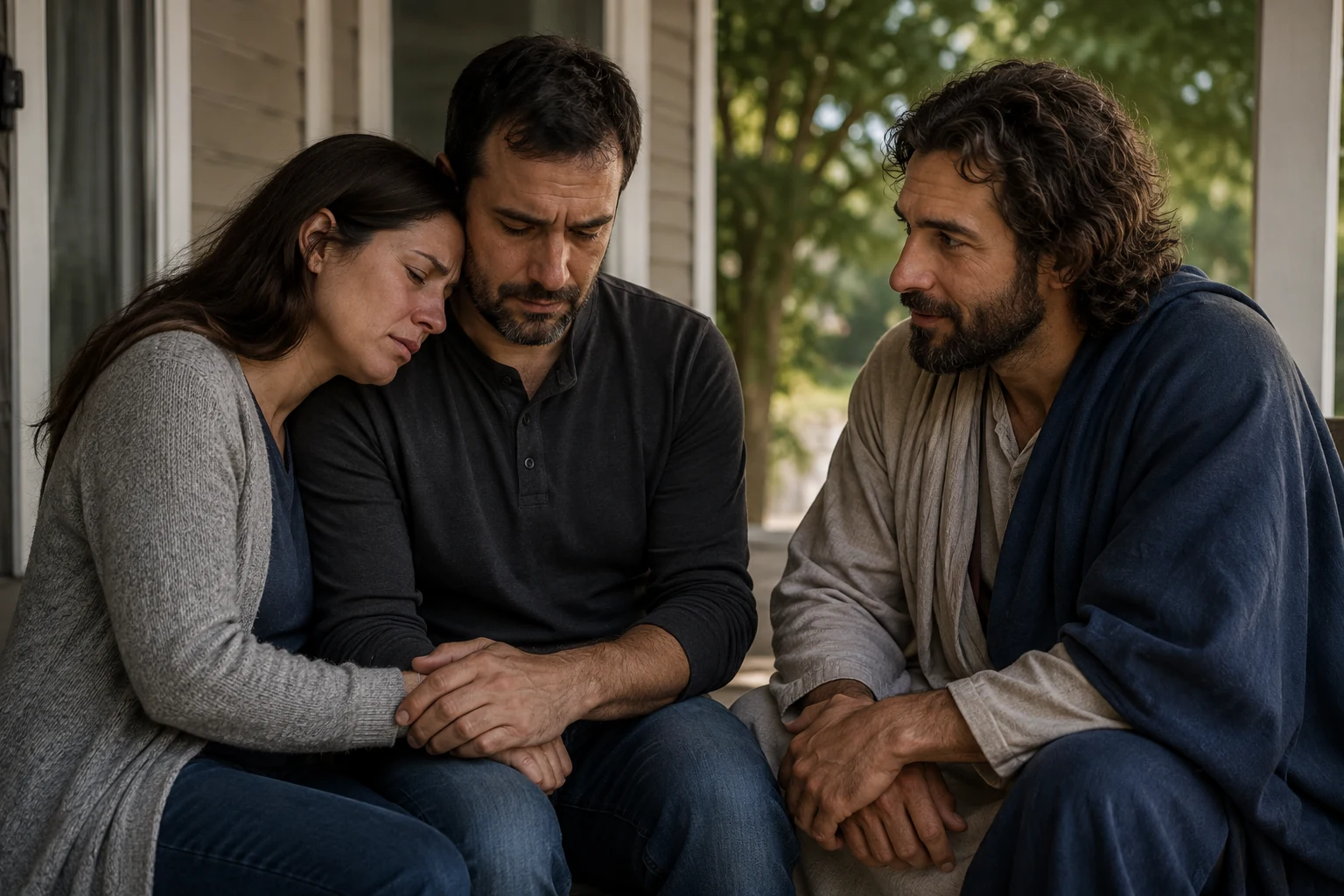
The Savior sits close to grieving parents and gathers them into His compassion. Their sorrow is neither hurried nor explained away; they are simply held and loved.
In John 11:17-36, Martha speaks to Jesus about her brother's death, and Jesus later weeps with those who are grieving. The account holds His promise of resurrection alongside real sorrow. As you read, notice that the people He loves are able to speak their hurt aloud.
This story does not promise that a family's loss will be reversed in this life. It offers a way to think about compassion: being present with someone matters, even when you cannot explain what happened.
Watch and study

Explore and study
Two women sit together in a garden after loss, one speaking while the other listens. Patient attention honors the different ways family members remember and grieve.
Explore and study
After blessing the children, Jesus weeps again and turns the people's attention toward their little ones. His tenderness is part of the story.
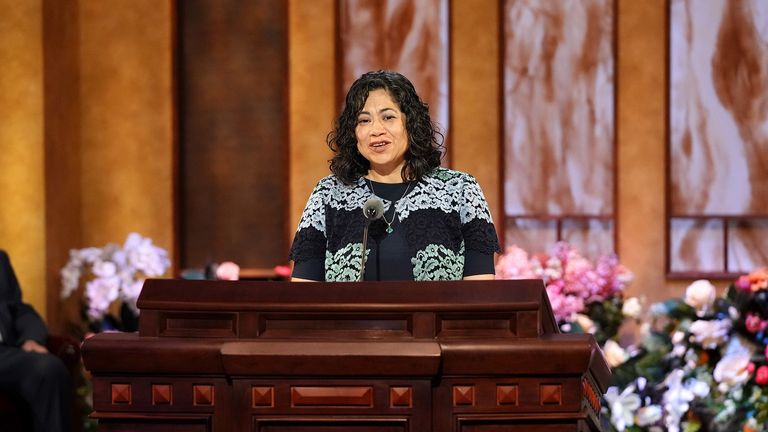
In The Grave Has No Victory, Sister Reyna I. Aburto remembers losing her older brother in an earthquake when she was nine. She describes the questions and longing she carried and how she later understood her hope through Jesus Christ's Resurrection. Her message may be meaningful when a family is also trying to understand the sorrow of surviving siblings.
General conference video and text
The Church of Jesus Christ of Latter-day Saints · April 2021
She places her memories alongside Mary Magdalene's grief and witness of the risen Savior. As you read, allow both parts of the message to stand: missing someone deeply and believing in resurrection. Her remembered experience does not prescribe what another child should imagine or feel.
The Church's Grief and Loss guidance encourages listening and continued support. A surviving sibling may want to talk, remember quietly, or return to ordinary activities. Ask what would help, and seek qualified support when needed.

Explore and study
A boy holds a small wooden truck while a caring adult gives him her full attention. For a child grieving a sibling, patient company offers time to share a memory, ask a question, or sit quietly together.
If welcome, ask whether someone would like to share a memory, look at a photograph, or have quiet company. There is no required activity or public expression. Adults can make room for different responses without asking children to reassure them or explain the loss.
The passages about little children above address salvation and Christ's mercy. The account of Lazarus addresses sorrow and the Savior's power over death. They do not explain the cause of a particular loss. Keeping those distinctions can protect a grieving family from explanations that scripture itself does not give.
Explore and study
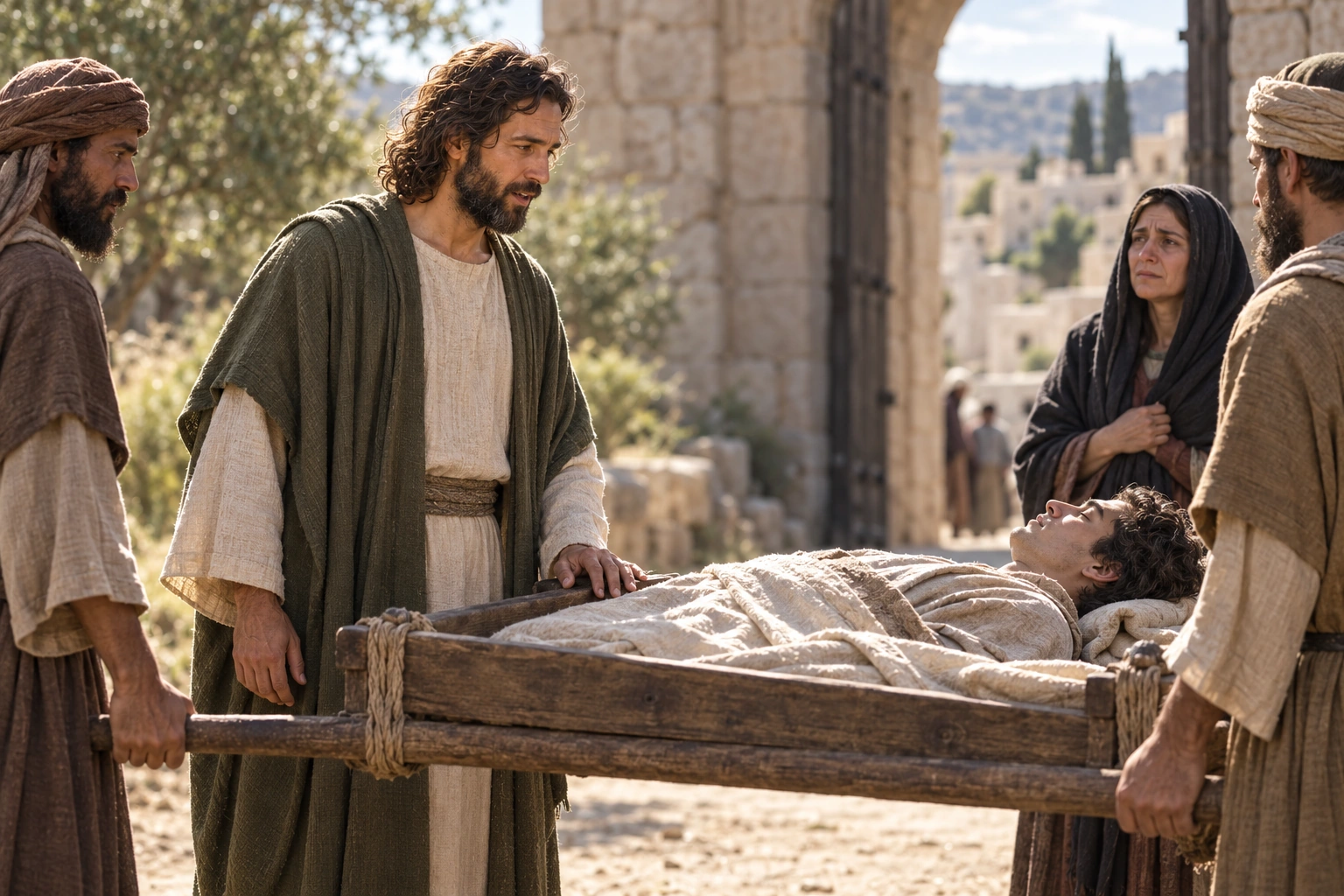
At Nain, Jesus touches the bier and the bearers stand still. He speaks to the young man, and the funeral procession becomes the setting for a miracle.
The companion artworks show both an individual father and parents together. As an invitation for reflection, consider that shared loss does not require identical words, feelings, or ways of remembering. You might ask whether the person beside you wants company, conversation, or quiet, and be willing to hear a different answer tomorrow.
Explore and study
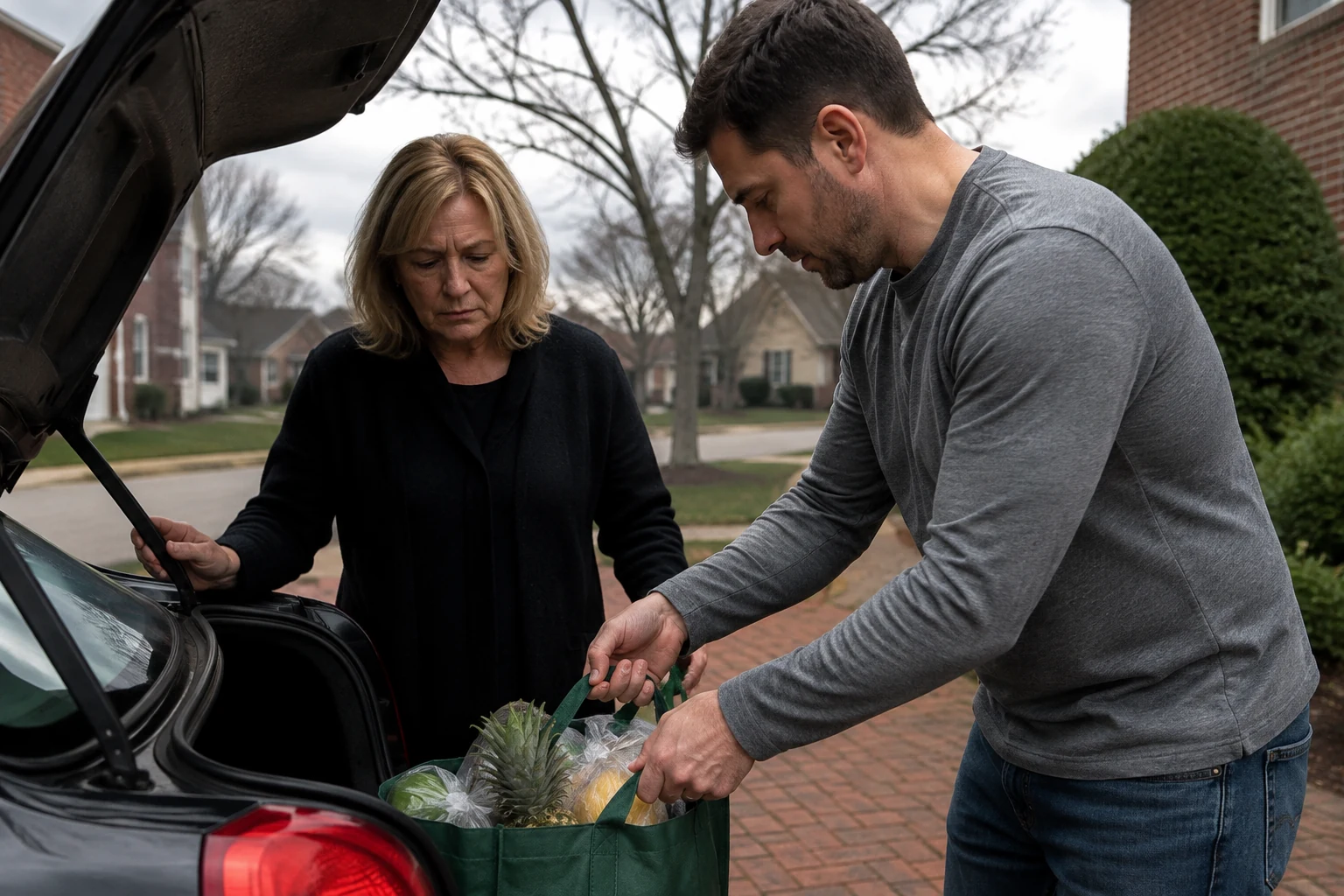
A neighbor helps a parent load groceries into a car. Taking on an ordinary burden can offer real comfort when a grieving family chooses what help feels welcome.
If you would like to explore prayer, remembrance, and receiving help at your own pace, continue with Grief and Faith.
If it feels welcome, a family might keep a photograph, tell a story, or mark a meaningful day in a way that honors their child. There is no obligation to make grief public or to turn remembrance into a testimony for others. Friends can ask permission before offering a memorial gesture or sharing a story.
Choose one of the short passages already linked, or simply read the opening paragraph. You do not need to finish the study. The resources remain here for another day, and seeking company or practical support may be the more useful next step.
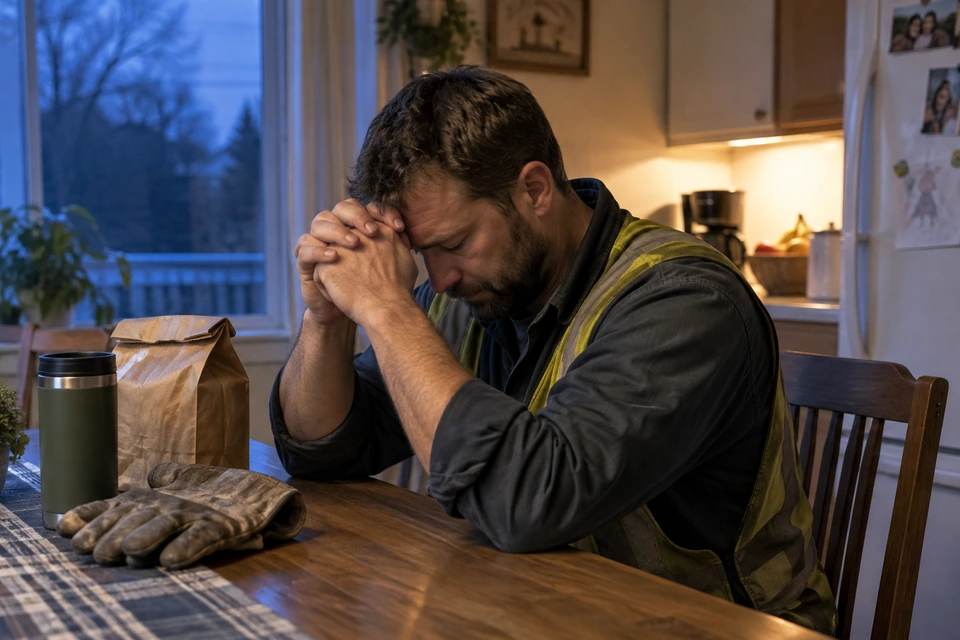
A man pauses to pray before the day begins. Continue with an invitation to bring our concerns to the Father.
Read “Turn to God before the day begins” in Jesus Christ →Would it help to be heard, to rest, to remember my child, or to ask someone for a specific kind of support? I do not need to resolve every question today.
Read one of the passages above slowly. What does it actually teach, and what questions does it leave unanswered? Allow both to be part of honest prayer.

Explore and study
Morning light enters the empty tomb. Sorrow is still real, but because Jesus Christ rose, grief is no longer the end of the story.
Read more about life after death at your own pace. It is all right if comfort takes time.
Consider spiritual hope and practical help together; there is no deadline to continue.