Scripture reading
Read John 11
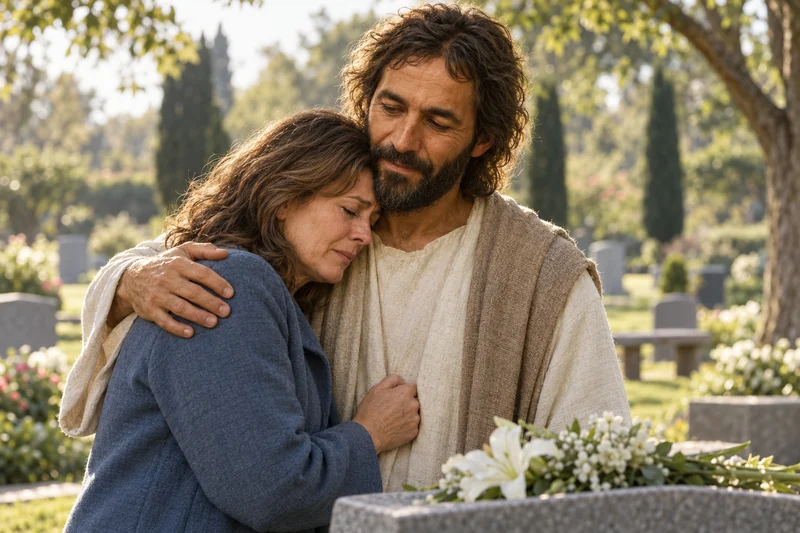
Read the exchange with Martha and Mary, then notice how Jesus responds to their sorrow.
Official scripture text · ChurchofJesusChrist.org.
When someone you love is gone, even ordinary days can feel unfamiliar. Scripture makes room to mourn, to receive companionship, and to seek hope in Jesus Christ. You can seek His comfort while still missing the person you love.
Explore and study
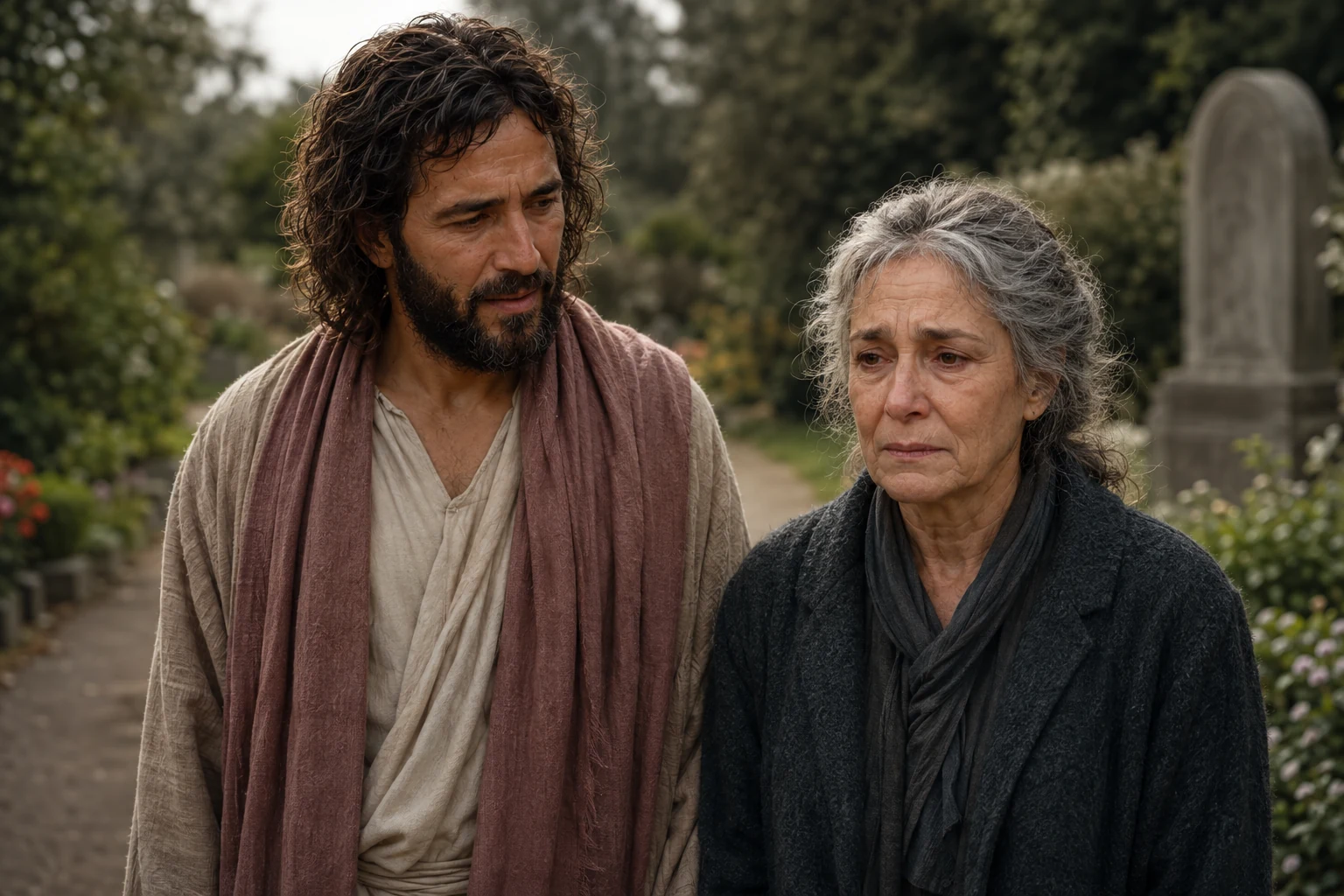
The Savior stays near in a moment of deep sorrow. His compassion does not erase the loss, but it assures the grieving heart that it is seen, loved and never abandoned.
The image offers a place to pause before studying. Notice the Savior accompanying the grieving woman rather than searching for an explanation of the loss. The passages below offer different perspectives: the Savior’s response to mourning, His knowledge of suffering, and the responsibility to care for one another.
These are invitations for reflection. They do not establish a timetable for sorrow or require you to describe a painful experience before you are ready.
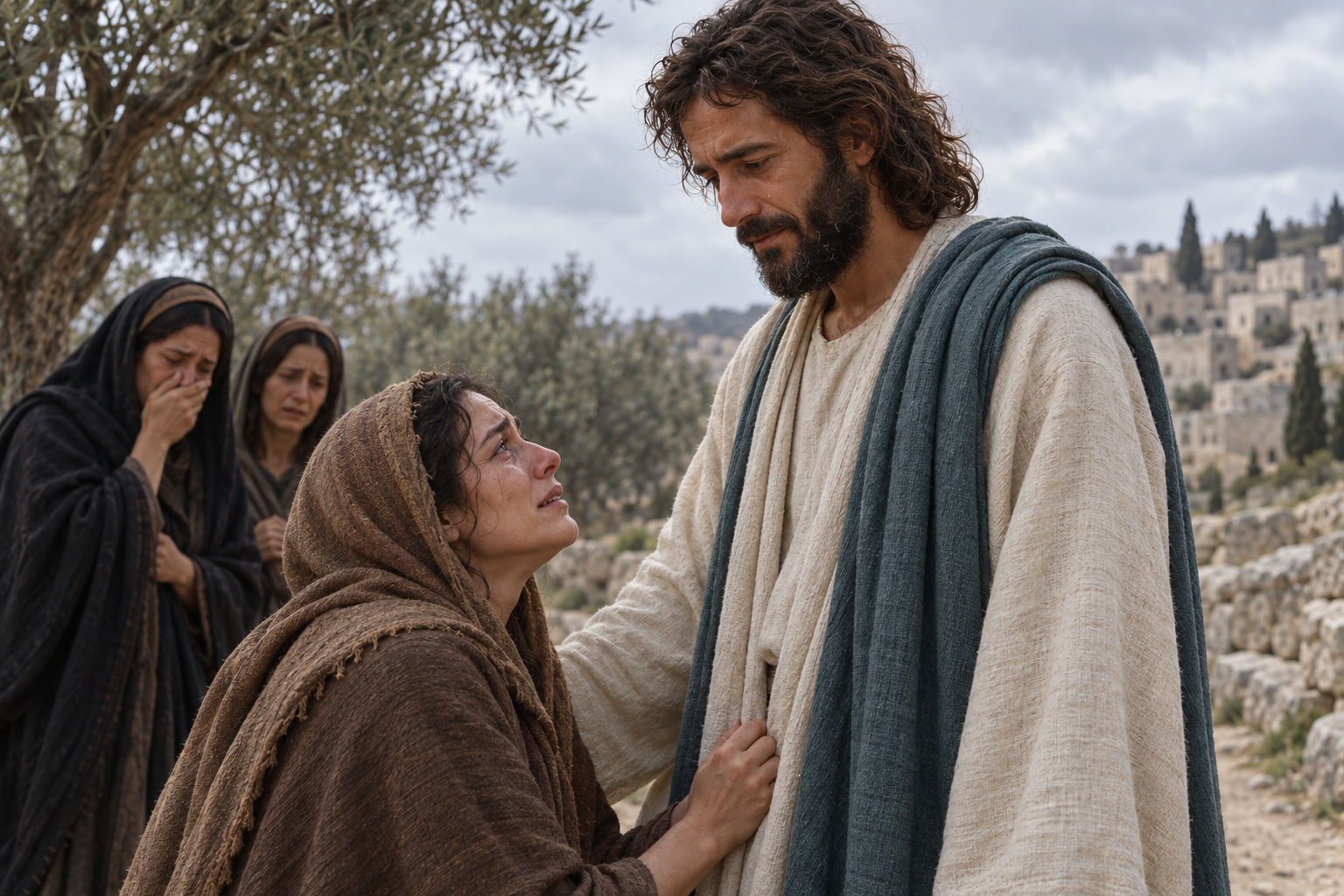
In John 11, Martha and Mary speak to Jesus after their brother Lazarus has died. Martha expresses faith in resurrection, and Jesus identifies Himself as the resurrection and the life. Later, He sees Mary and the people with her weeping, and He also weeps.
Explore and study
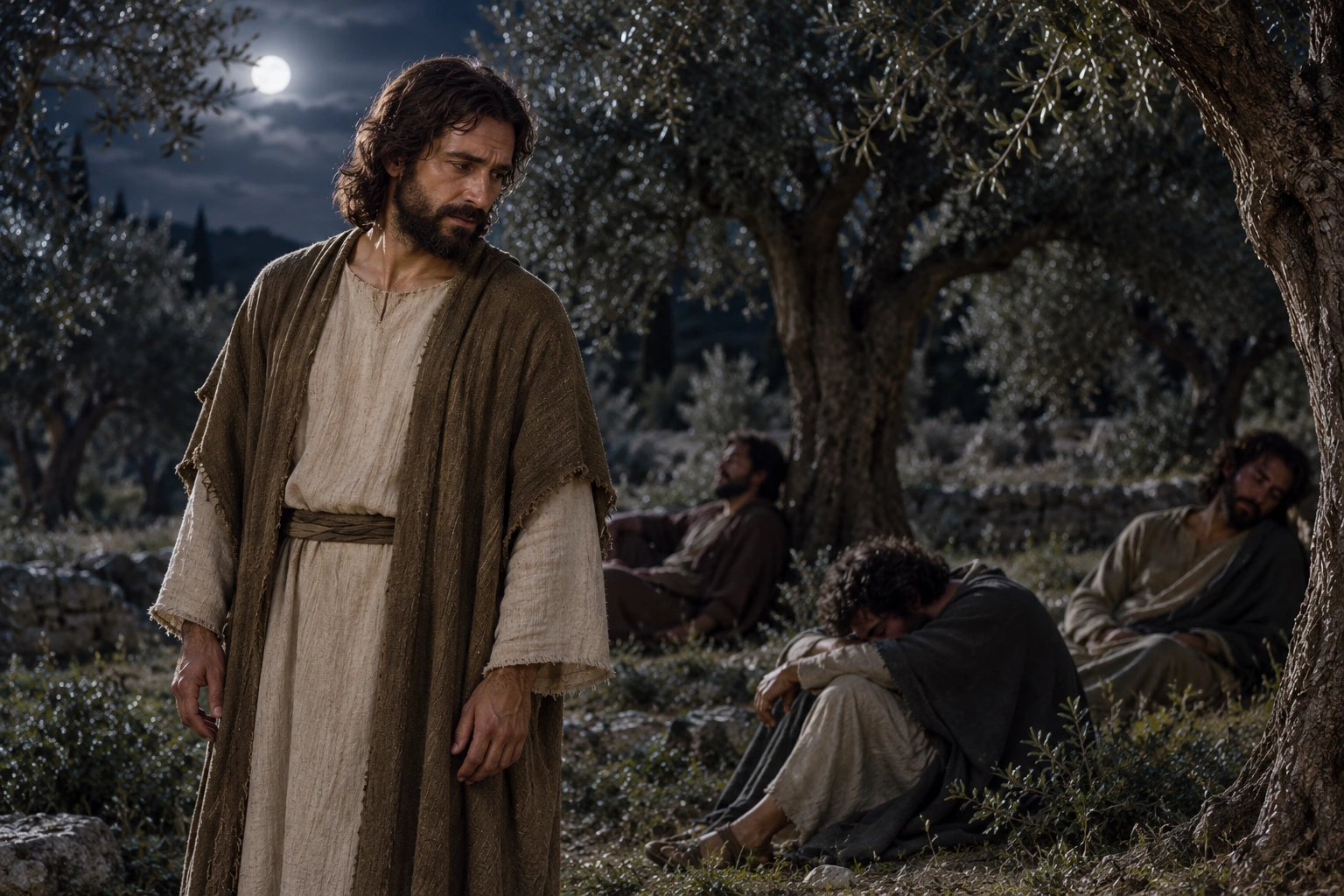
When Jesus rises from prayer, He finds His disciples asleep with sorrow. He calls them to rise and pray.
Explore and study
Mary comes to Jesus with the pain of losing her brother. He sees her tears and the sorrow of those with her, and He weeps.
The account holds sorrow and hope together. Jesus’s knowledge of what He will do does not erase His compassionate response to the people before Him. Read the whole encounter, including the sisters’ words, rather than treating the shortest verse as the entire story.
What do you notice about the way Jesus receives sorrow? What would it mean to let hope and sadness be present in the same prayer?
Scripture reading
Read the exchange with Martha and Mary, then notice how Jesus responds to their sorrow.
Official scripture text · ChurchofJesusChrist.org.
In Sunday Will Come, Elder Joseph B. Wirthlin remembers his parents, sister, and wife. His memories are specific, and so is his sorrow. He speaks about resurrection while acknowledging how deeply he misses them. The message offers a way to hear Christian hope from someone who is also grieving.

Explore and study
One person steadies a picture frame while another repairs its backing. Patient company can give grief room to be spoken and remembered.

Explore and study
Light reaches into an empty tomb, holding sorrow and resurrection hope in the same view. Jesus's words to Martha place that hope in Him: the Resurrection and the Life.
If you watch, pause wherever you need to. You might write a memory of your loved one, or simply notice the room he makes for affection and loss. His testimony looks toward resurrection and reunion. It does not set a deadline for when another person should stop feeling sorrow.
General conference video and text
Hear Elder Wirthlin remember loved ones and speak about the Resurrection. Notice how he speaks of missing them while expressing hope in Christ.
Joseph B. Wirthlin · October 2006 · Official Church source and video preview
Is there an ordinary moment, familiar saying, or small kindness I want to remember? I can keep it privately or share it with someone who would welcome it.
Alma 7:11–13 describes Jesus Christ taking upon Himself pain, sickness, death, and the infirmities of His people. Alma connects that experience with the Savior’s knowledge of how to help them.
For Latter-day Saints, this passage is a source of confidence in Christ’s compassion. Its focus is His redeeming work and capacity to help; it does not explain the particular cause of every loss. When reading, distinguish what Alma promises about the Savior from an explanation you may wish the passage would provide.
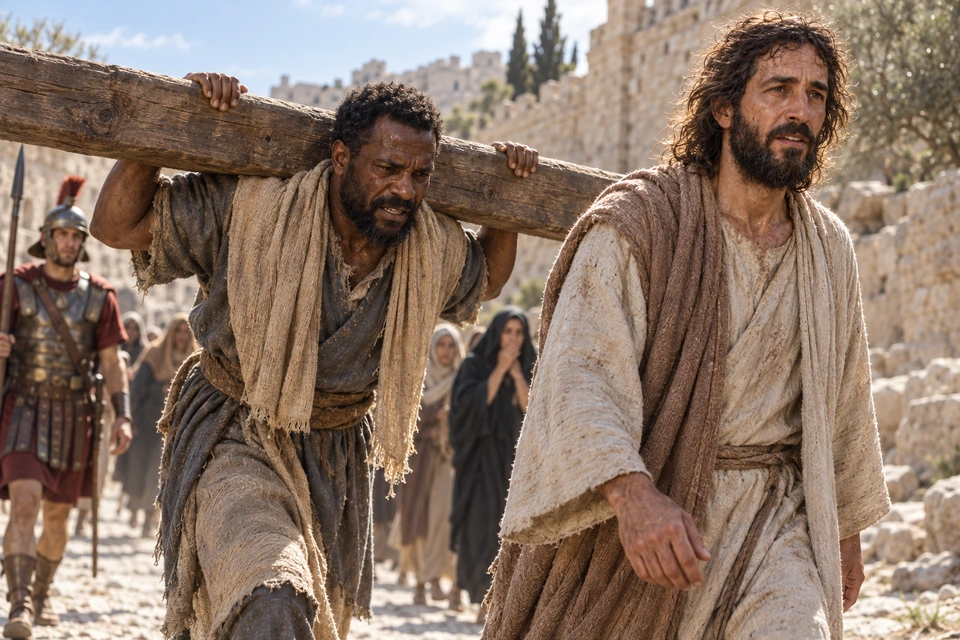
Simon carries the cross behind Jesus. Continue with the scriptural account of the Savior’s suffering.
Read “Bearing the cross behind Jesus” in The Redeemer and Risen Lord →What comfort do I need today? What could I say to Heavenly Father without trying to make it sound polished or complete?
President Emily Belle Freeman teaches, “Jesus Christ will meet us where we are as we are.” Her message describes a covenant relationship with the Savior through the challenges of mortality. In grief, we can receive that invitation without waiting until we feel strong or have every answer. An honest prayer or a small step with someone who cares may be a beginning.

General conference video and text
President Freeman teaches that Christ accompanies us through mortal challenges and invites us into a covenant relationship with Him. Consider how His companionship can offer hope while you mourn.
Emily Belle Freeman · October 2023 · Official Church source and video preview

Explore and study
One woman speaks while another listens without hurry. Such presence honors the covenant to mourn with those who mourn and lets compassionate care be guided by the person who grieves.
In Mosiah 18:8–10, Alma describes a people willing to bear one another’s burdens, mourn with those who mourn, and comfort those needing comfort. He places this willingness within the commitments of baptism and service to God.
The passage gives companions something concrete to consider: presence, shared burdens, and comfort. It does not ask them to supply an answer to every question. As an optional application, consider listening, bringing a meal, helping with an ordinary task, or remembering a meaningful date. Let the grieving person’s needs guide what you offer.

Explore and study
A grieving woman welcomes a friend who gently arranges flowers nearby. Comfort becomes more compassionate when it respects the wishes and pace of the person who mourns.
Who could sit with me, listen, or help carry a practical burden? If I am supporting someone else, what could I ask instead of assuming what would help?
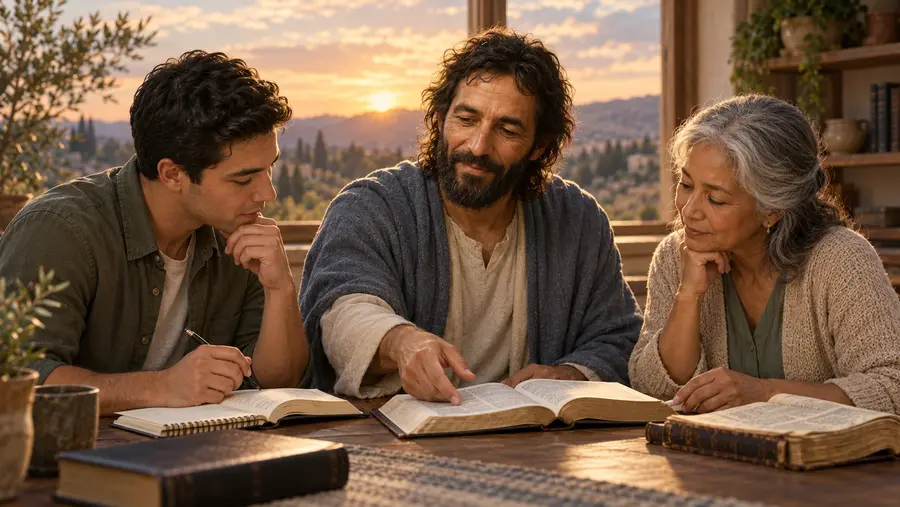
Scripture reading
Read verses 8–10 in context and consider what it means to mourn with and comfort another person.
Official scripture text · ChurchofJesusChrist.org.
President Camille N. Johnson’s Jesus Christ Is Relief distinguishes grief and other burdens of mortality from the burden of sin. She then describes care we can offer one another. Read this part of her message beside the covenant passage above. It gives a friend something useful to do without making the person who is grieving responsible for reassuring everyone else.
General conference video and text
Study President Johnson’s invitation to help carry another person’s burdens. Consider one practical form of care that the grieving person would welcome.
Camille N. Johnson · April 2023 · Official Church source and video preview
A specific offer can be easier to answer than a broad request to ask for anything. You might offer to bring dinner, accompany someone on an errand, or sit quietly together. Ask what would be welcome and accept the answer. Let the person who is grieving tell you what they need.
In 2 Corinthians 1:3–7, Paul blesses God as a source of comfort and connects receiving comfort with being able to comfort others. The passage acknowledges suffering within the community he addresses. It does not describe comfort as the absence of every painful feeling.

Explore and study
When the disciples return from their work, Jesus invites them to come away and rest. Care can include a quiet place and time to recover.
Read the passage slowly, then consider what comfort might mean today: being listened to, having help with a task, remembering someone without being hurried, or finding words for prayer. You may have an unanswered question alongside something you are grateful to receive.

A quiet companion stays beside someone who is grieving. Consider the care we can offer without rushing sorrow.
Read “Stay beside someone who is grieving” in Jesus Christ →Would I welcome conversation, practical help, or quiet company? Is there one person I could tell, in plain words, what I need today?
You might write in a notebook, pray, or talk with someone you trust. Begin wherever you feel able today.

Explore and study
An older man pauses beside a family photograph and an open notebook. Memory, sorrow and the need for comfort are all welcome in the presence of the God of consolation.
What changed as I paused with this passage? What remains unresolved? I can return to both without pretending the loss no longer matters.
The scripture explanations above are based on John 11:17–36, Alma 7:11–13, and Mosiah 18:8–10. The additional study draws on 2 Corinthians 1:3–7 and the three linked general conference messages. Personal questions and practical suggestions are focusChrist study aids.