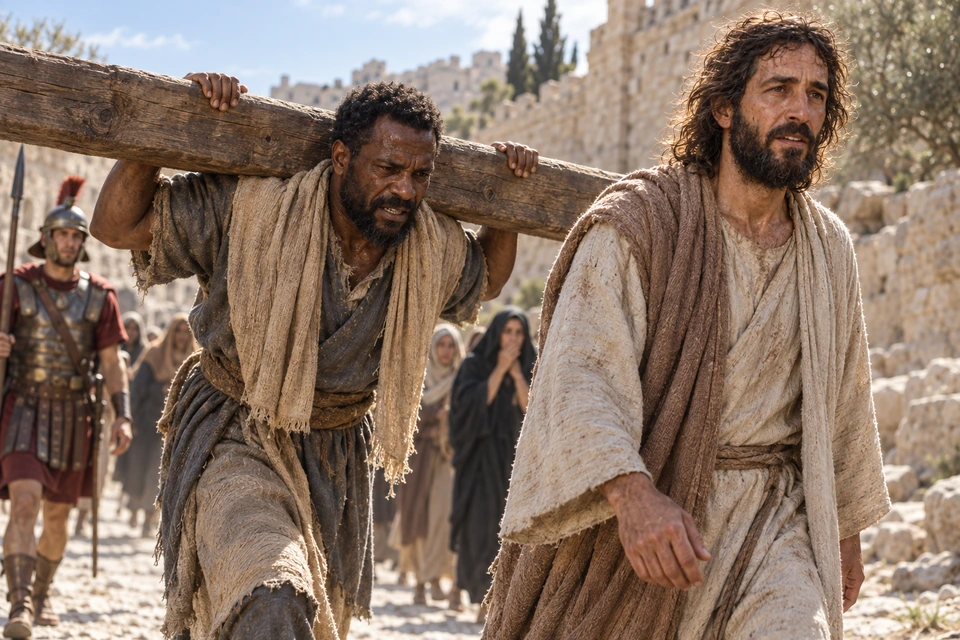
Bearing the cross behind Jesus
Simon carries the cross behind Jesus. Continue with the scriptural account of the Savior’s suffering.
Read “Bearing the cross behind Jesus” in The Redeemer and Risen Lord →Study Jesus Christ · Faith in Trials
How Can Faith in Jesus Christ Help During Trials?
ContinueLatter-day Saint teaching does not promise that faith will remove every trial. It teaches that trusting Jesus Christ can give strength to endure, wisdom to act, power to change, and hope that suffering is not the final word.
Faith in Jesus Christ includes belief in Him, but it goes further: it means relying on His power, wisdom, and love. A faithful person may still grieve, fear, question, or feel exhausted. Scripture is full of disciples who suffered while continuing to turn toward God.
Latter-day Saints emphasize scriptural teachings that Jesus Christ took upon Himself pains, sicknesses, temptations, grief, and sin. Because of His Atonement, believers trust that He understands mortal suffering personally and can strengthen people in ways that are both spiritual and practical.
Explore and study
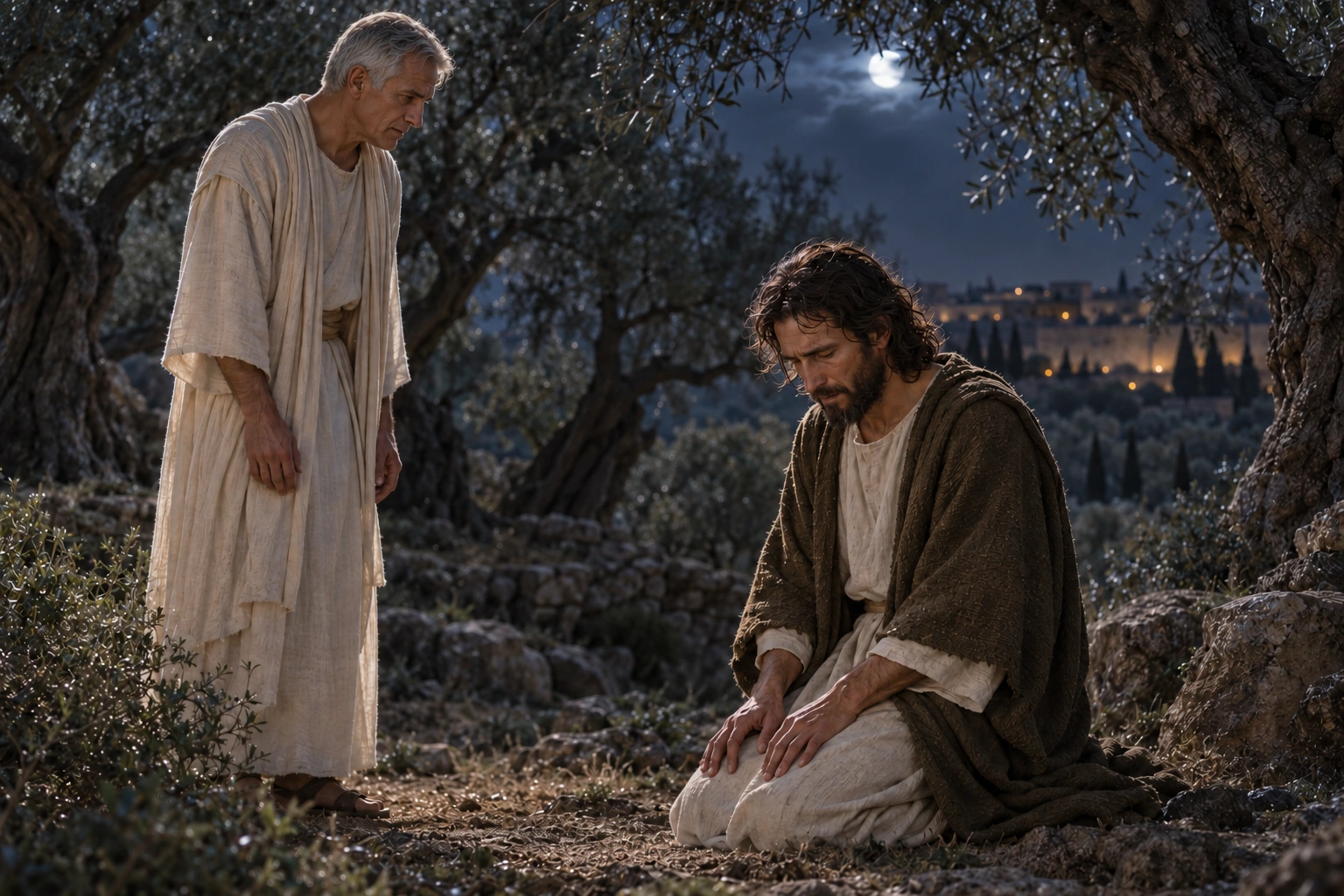
In Gethsemane, an angel comes to strengthen Jesus as He prays. His suffering is met with heavenly help.
Simon carries the cross behind Jesus. Continue with the scriptural account of the Savior’s suffering.
Read “Bearing the cross behind Jesus” in The Redeemer and Risen Lord →Read Alma 7:11-13 slowly. Alma speaks of suffering, sickness, infirmity, death, and sin. He connects the Savior's experience of mortality with His knowledge of how to help His people. This passage gives a reason to bring Him the particular pain you carry, even when you cannot explain it neatly.
Church teaching does not reduce every hardship to punishment from God. Some consequences follow personal choices; some suffering results from the choices of others; some comes through illness, accident, mortality, injustice, or conditions no individual caused. Different problems therefore require different responses.
It is understandable to ask why, and you do not have to turn pain into a lesson before seeking help. When you have the capacity, consider one small question: Who could listen today? What practical need could someone help with? What might help me get through this afternoon? A next step can be small, and accepting help can be part of it.
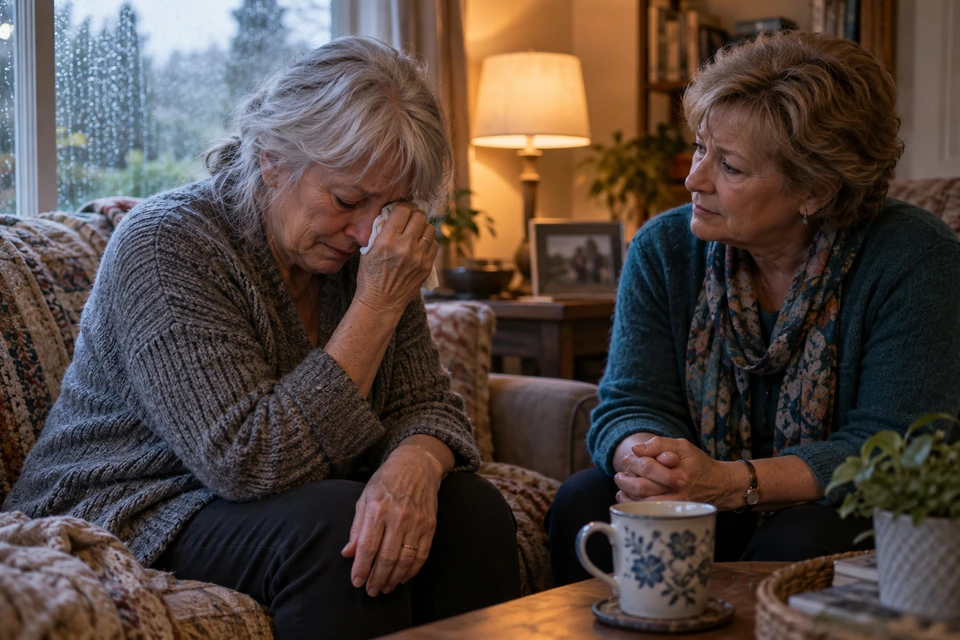
A quiet companion stays beside someone who is grieving. Consider the care we can offer without rushing sorrow.
Read “Stay beside someone who is grieving” in Jesus Christ →Latter-day Saint hope is ultimately tied to Christ’s Resurrection. Loss, disability, injustice, and death are real, but they are not eternal victories over God’s children. Resurrection, judgment, healing, and eternal life place present suffering inside a larger story.
If your trial involves loss or changes in family life, you may find more specific support in Finding Hope After the Death of a Child, Divorce and Faith, or Prayer and Personal Revelation. Choose the subject that fits what you are carrying; there is no need to work through everything at once.
You may need a listening friend, help with daily responsibilities, or care from a qualified professional. It can be difficult to name a need when you are worn down. You might begin with something specific: asking someone to bring a meal, accompany you to an appointment, or check in tomorrow.
Explore and study
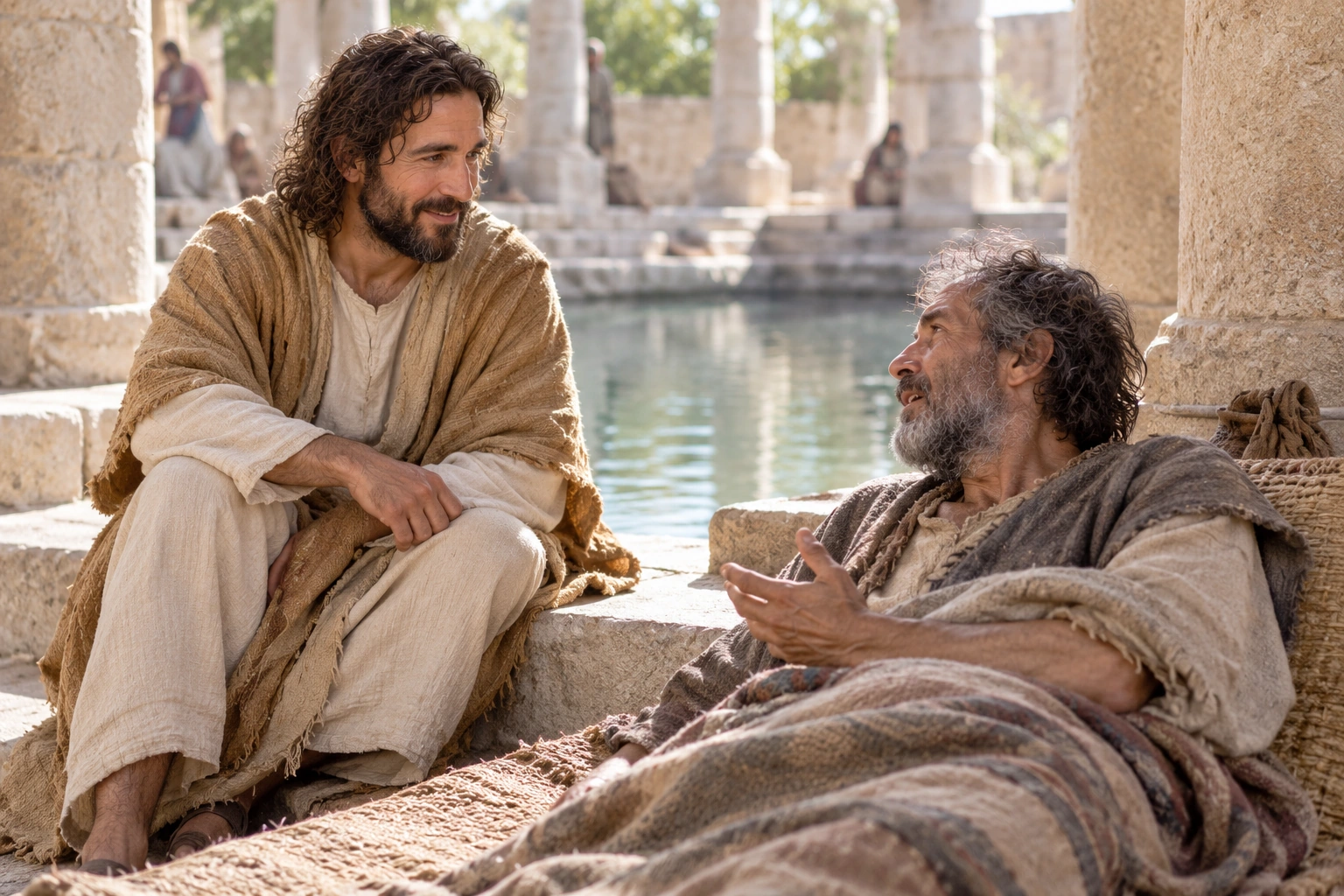
Jesus notices a man who has waited many years for help and asks whether he wants to be made whole. The man tells Him what has kept him waiting.

A resident explains what would help while others listen. Let the person receiving care help shape the response.
Read “Listening before offering help” in Jesus Christ in the Restoration and Today →In Mosiah 18:8-10, those preparing for baptism commit to share burdens and comfort people who need comfort. This gives friends and congregations something concrete to do. The person suffering should not have to carry the whole responsibility for finding support.

Church video and transcript
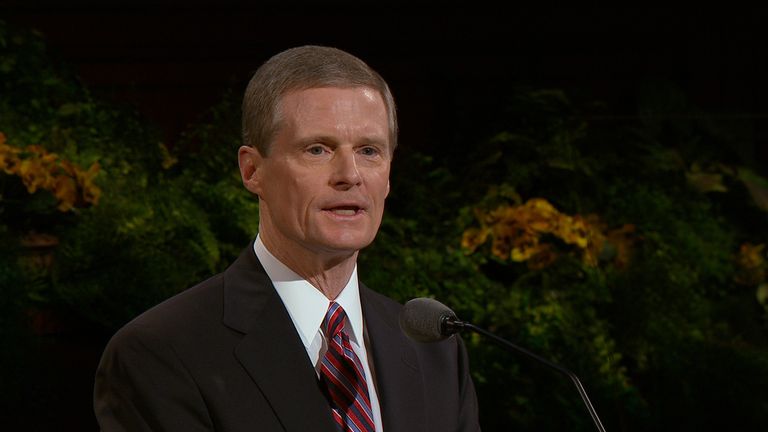
Elder Jeffrey R. Holland teaches compassion, patience, and the value of qualified care during mental and emotional suffering.
Jeffrey R. Holland · October 2013 · Official Church talk; original focusChrist artwork
Explore and study
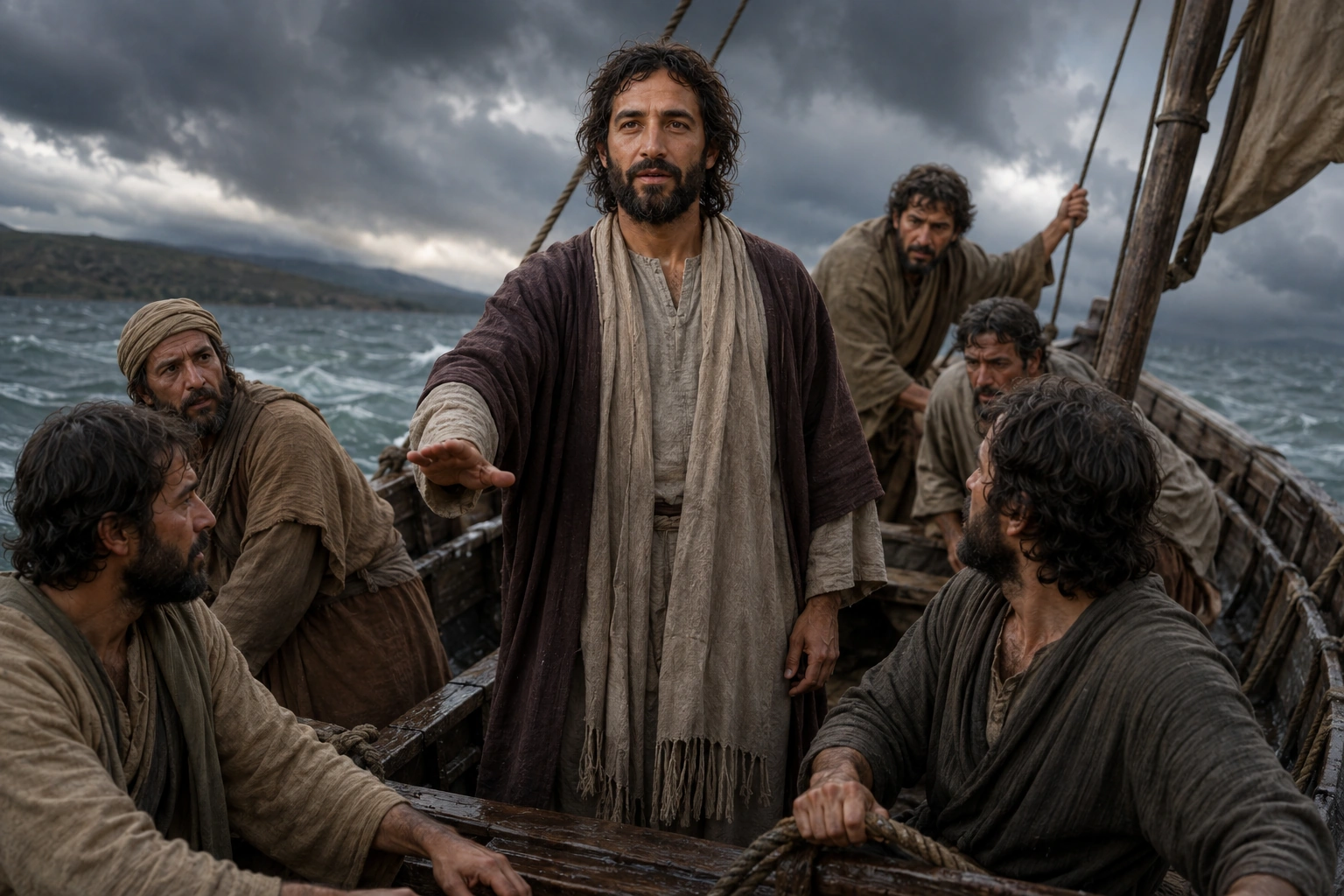
Wind and waves close in around the frightened disciples, yet Jesus is still in the boat with them. Mark's account bears witness that His presence and power remain real even before the storm grows quiet.
Doctrine and Covenants 121:1-9 begins with Joseph Smith pleading from imprisonment and then records words of comfort. Notice that the anguished question is part of the scripture. Do not rush past it to reach a reassuring line. A personal prayer can be honest about distress without becoming a polished lesson.
Follow Mosiah 24:10-21 through the whole sequence. The people cry to God, face threats for praying aloud, and continue praying in their hearts. The Lord strengthens them under their burdens; later, He leads them out of bondage. The account includes help within hardship and deliverance from it. Their story does not establish when another person's circumstances will change.
Conference video · 16:23
The Church of Jesus Christ of Latter-day Saints
Explore and study
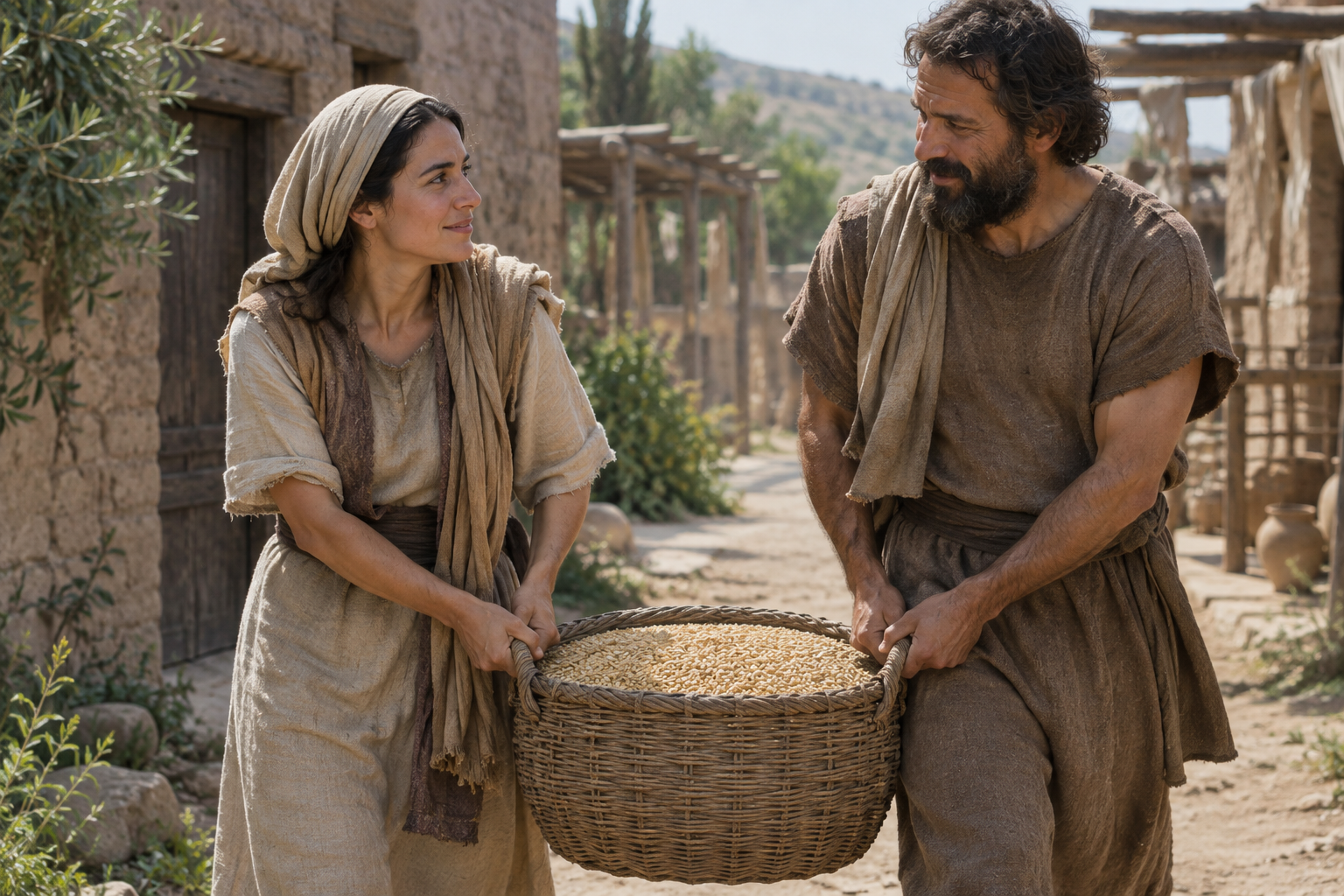
The Lord strengthens Alma’s people to bear their burdens before He leads them out of bondage. As you look at these neighbors sharing a heavy basket, consider how help can make a burden easier to bear.
What kind of strength does this passage describe before deliverance? Ask about this part of the study.
Watch and reflect: Elder David A. Bednar studies these same verses in Bear Up Their Burdens with Ease. He distinguishes receiving strength from having a difficulty immediately removed. What help within your circumstances could you ask for today?
Explore and study
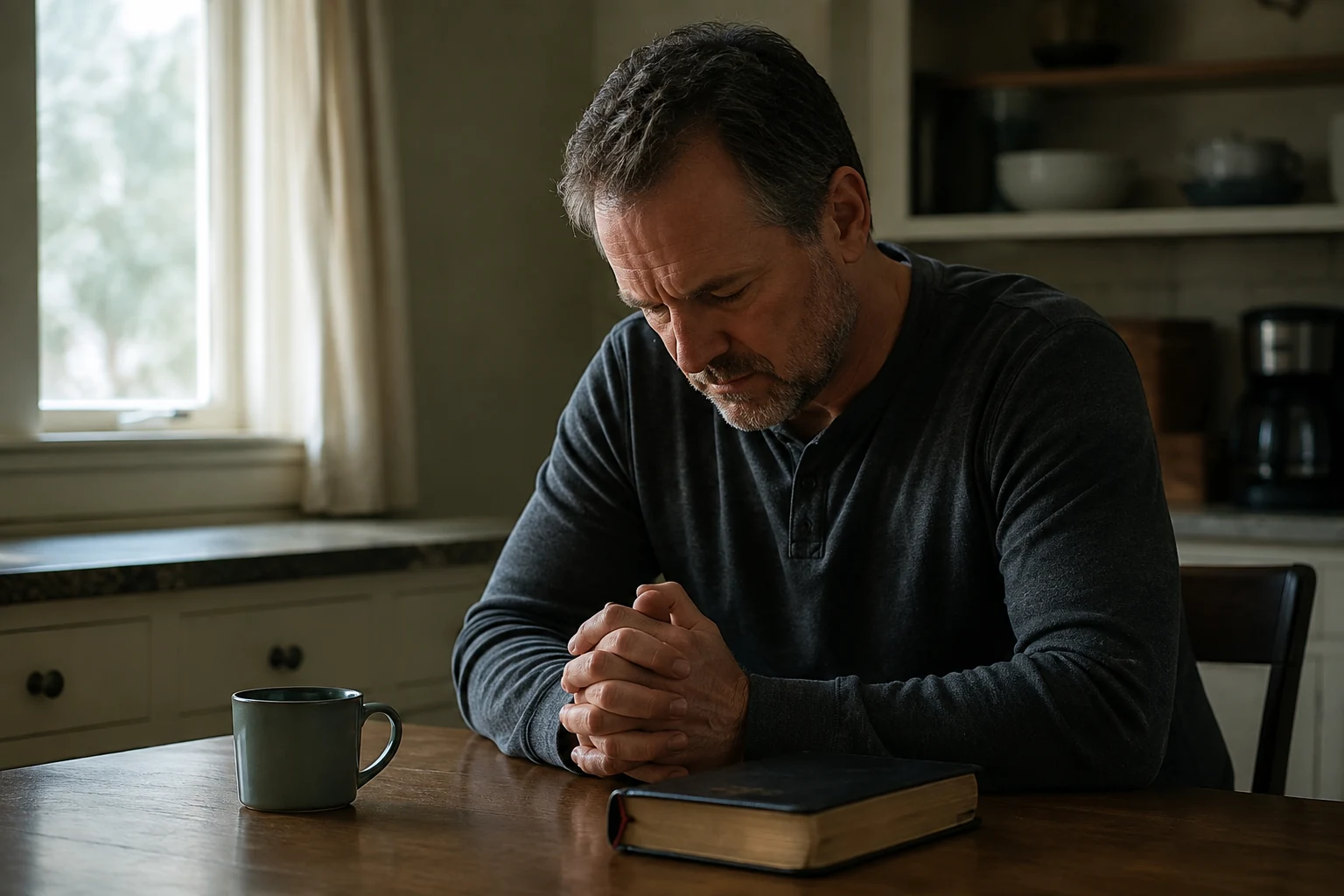
A man bows his head at a kitchen table, bringing distress honestly into prayer while hardship continues.
In Mountains to Climb, President Henry B. Eyring addresses people who fear that their faith is weakening under pressure. He describes a foundation built through patient acts of integrity and service. He also acknowledges that he cannot promise an end to adversity in this life. Listen for encouragement that fits your capacity today, with room for the sorrow you still carry.

In Matthew 14:27-33, Peter's fear is followed by a cry for help and Christ's immediate reach. Read the rescue as carefully as the question Jesus asks him. The Savior remains central throughout the encounter.

Explore and study
A friend brings water to a woman whose wrist is wrapped, offering relief while the injury remains. Alma's people likewise receive strength to bear their burdens before deliverance comes.
A personal reflection: Choose whichever question fits today: What do I wish someone understood? What help could I receive? What can I bring honestly to prayer? You can return to another question later, without a schedule or requirement to feel stronger first.
A story of endurance can encourage one person and feel heavy to another. Avoid comparing your capacity with a scriptural figure or treating someone's continuing suffering as proof of weak faith. Ask what the account actually says, what it does not promise, and what practical help is needed in your circumstances.
Name a need that someone else could reasonably help meet. It might be a conversation, transport, childcare, or an appointment. You can pair that request with prayer without waiting to feel certain or strong.

Practical help gives care a place in ordinary life. Continue with the invitation to serve a neighbor.
Read “Give practical help” in Jesus Christ →Mosiah 24:13–15 describes divine help while burdens remain. If you wish, choose the question that fits today and leave the others for another time.

Explore and study
Jesus sleeps in the stern while wind and waves trouble the boat. The disciples wake Him, and He speaks peace to the storm.
You may name a feeling, a practical difficulty, or something you cannot yet explain. What words would help a trusted person listen? Writing a sentence or asking someone to sit with you can be enough for this moment.
Think about the next few hours rather than the whole future. Is there a task, appointment, meal, or conversation someone could share? You can receive care while the larger question remains unanswered.
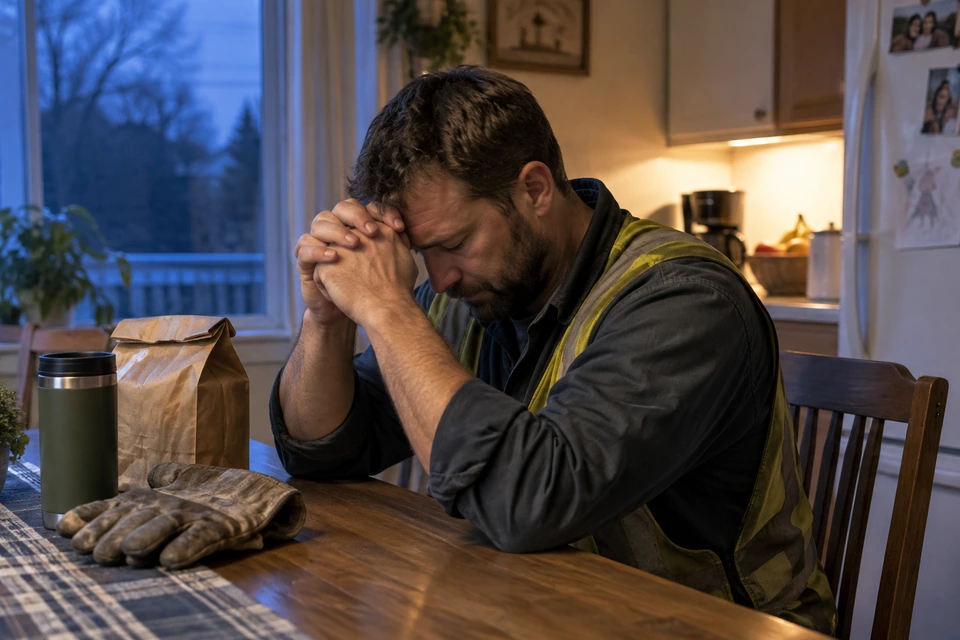
A man pauses to pray before the day begins. Continue with an invitation to bring our concerns to the Father.
Read “Turn to God before the day begins” in Jesus Christ →Return to the passage on this page that feels closest to your experience. What would you say in prayer if you did not have to hide sorrow or sound strong? Allow the reflection to end where your capacity ends today.

Explore and study
A home filled with company and gratitude.
Small potted plants are finding their places on the porch. Christ and the father each hold a plant while the daughter proudly shows her sunflower beside her mother. Neighbors gather nearby. There is pleasure in these finishing touches and in having people with whom to share them.
Psalm 100 invites gladness and gratitude for God's goodness. After a difficult season, we can give thanks for the people who stayed, the help they offered and a day we can enjoy together. A welcoming home need not be grand. Its warmth can come from people who welcome and care for one another.
Who has helped make an ordinary day worth celebrating?
Choose faith when the outcome is uncertain. Read Ruth’s commitment and the answer of Shadrach, Meshach, and Abed-nego in the Settle Your Heart study.
Explore and study
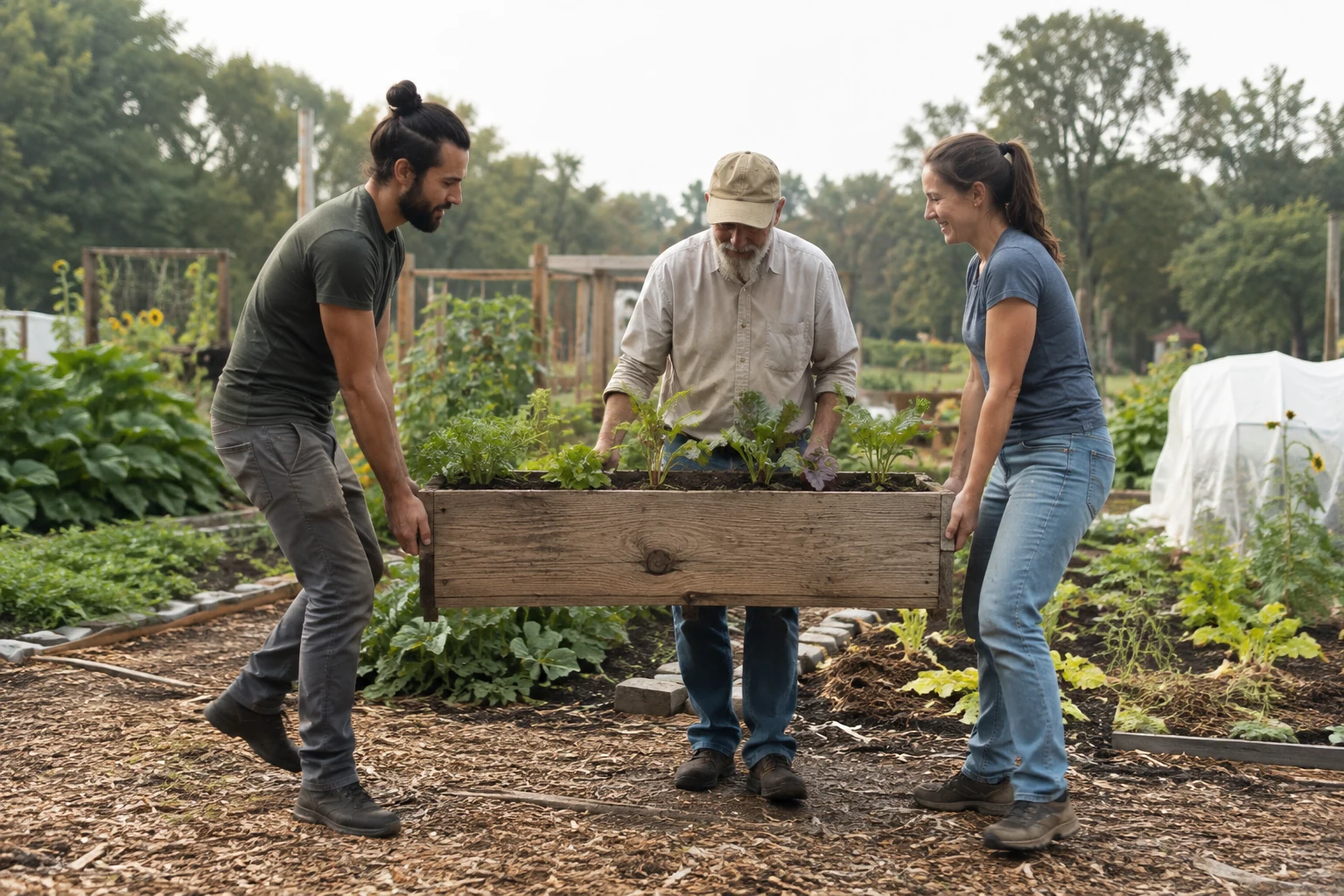
Three gardeners brace themselves beneath a heavy planter and lift together. The burden has not disappeared, but shared strength makes the next step possible, much like the Lord's promise to Alma's people.

Explore and study
A companion keeps pace with a woman using a walking stick along a woodland path. Faithful progress may be slow, but patient company can make each step feel possible.
Read D&C 6:36 beside the Savior's mercy and wounds. Explore an invitation to trust Him while difficult questions remain.
Learn about prayer, recognizing guidance, and making thoughtful decisions.
Compare John 10 and Psalm 23 and consider care in the midst of hardship.