General conference
The Spirit of Revelation
Notice how understanding can grow gradually, without a dramatic signal every time.
David A. Bednar · April 2011
You may have felt a quiet thought while praying, found new meaning in a familiar scripture, or wondered whether a good idea was simply your own. You do not have to settle every question about that experience before you begin learning. Start with what the scriptures say about the Holy Ghost, then notice how those teachings meet ordinary life.
Latter-day Saints believe the Holy Ghost is a member of the Godhead who witnesses of the Father and Jesus Christ. His work includes teaching, comforting, revealing truth, and helping people become holy through Christ. This study follows that witness through the Bible, the Book of Mormon, the Doctrine and Covenants, and the Pearl of Great Price.
At Jesus's baptism, the Son stands in the water, the Spirit descends like a dove, and the Father bears witness of His Son. Matthew describes a united witness while distinguishing the Father, Son, and Spirit. Later revelation calls the Holy Ghost a personage of spirit. Latter-day Saints therefore speak of Him as a divine person, not simply a strong emotion or another name for our own thoughts.
The dove is the sign recorded at this event. It does not mean the Holy Ghost is a bird, and an artist's light or color cannot show us what His influence must feel like.
Matthew 3:13–17 · Doctrine and Covenants 130:22–23 · Holy Ghost: official Church overview
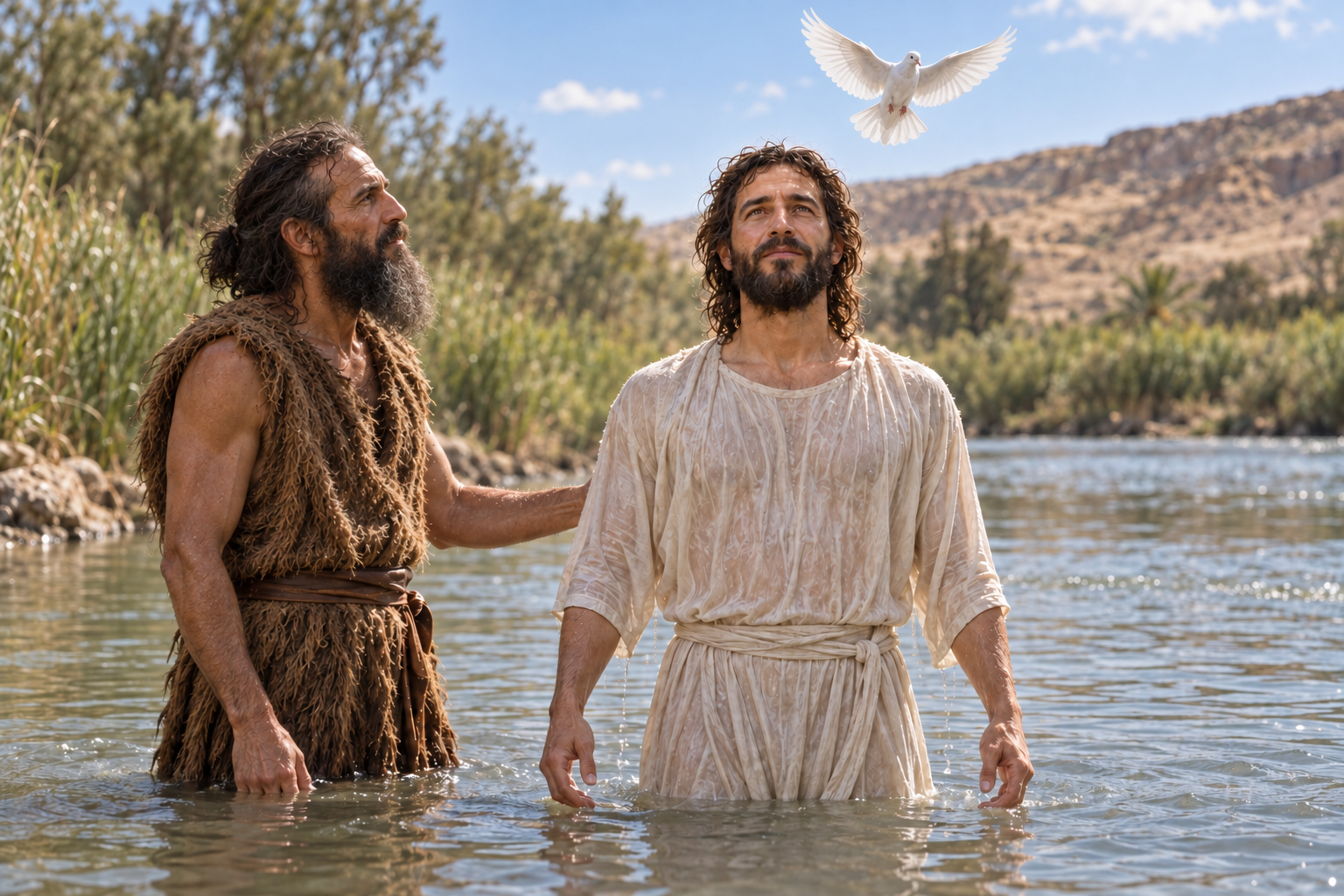
Explore and study
At the Jordan, Matthew records the Father’s voice, the Son’s baptism, and the Spirit descending like a dove. Read the three witnesses together.
These terms are related, but they are not interchangeable. The Church describes the Light of Christ as a divine influence that invites all people toward goodness and prepares them to receive the Holy Ghost. The Holy Ghost is a member of the Godhead. His power may witness to a person before baptism; the gift of the Holy Ghost is conferred through confirmation following baptism and offers His continuing companionship as we faithfully follow Jesus Christ.
Scripture sometimes uses words such as Spirit, light, and spirit of the Lord in different ways. Read the surrounding passage before deciding precisely what a phrase means. Respecting those distinctions helps us hear what each writer actually says.
Light of Christ: official Church overview · Moroni 7:16–19 · Doctrine and Covenants 84:45–48
What does this distinction help you understand about God's concern for people who are still seeking?
Elijah arrives at Horeb after fear, exhaustion, and a difficult journey. The account describes wind, an earthquake, and fire, then a quiet voice. Elijah covers his face and stands at the cave entrance. The Lord asks him a question and gives him work to do.
This passage does not require us to expect a dramatic sign whenever we seek God. It also reminds us to listen carefully to the text: the account calls this the Lord's voice. Later teachings use it to explain quiet spiritual communication; that does not make every Old Testament use of voice or Spirit an identical description.

Explore and study
After wind, earthquake, and fire, Elijah hears a quiet voice. He covers his face and listens at the cave entrance.
Is there something you could set aside briefly to give a sincere question your attention?
Bezalel's assignment concerns craftsmanship for the tabernacle. Exodus connects the Spirit of God with wisdom, understanding, knowledge, and skill. The work involves real materials and careful decisions.
Exodus shows divine help in skilled, useful work as well as moments of stillness. We can bring prayer and care to our responsibilities without calling every successful idea a revelation.
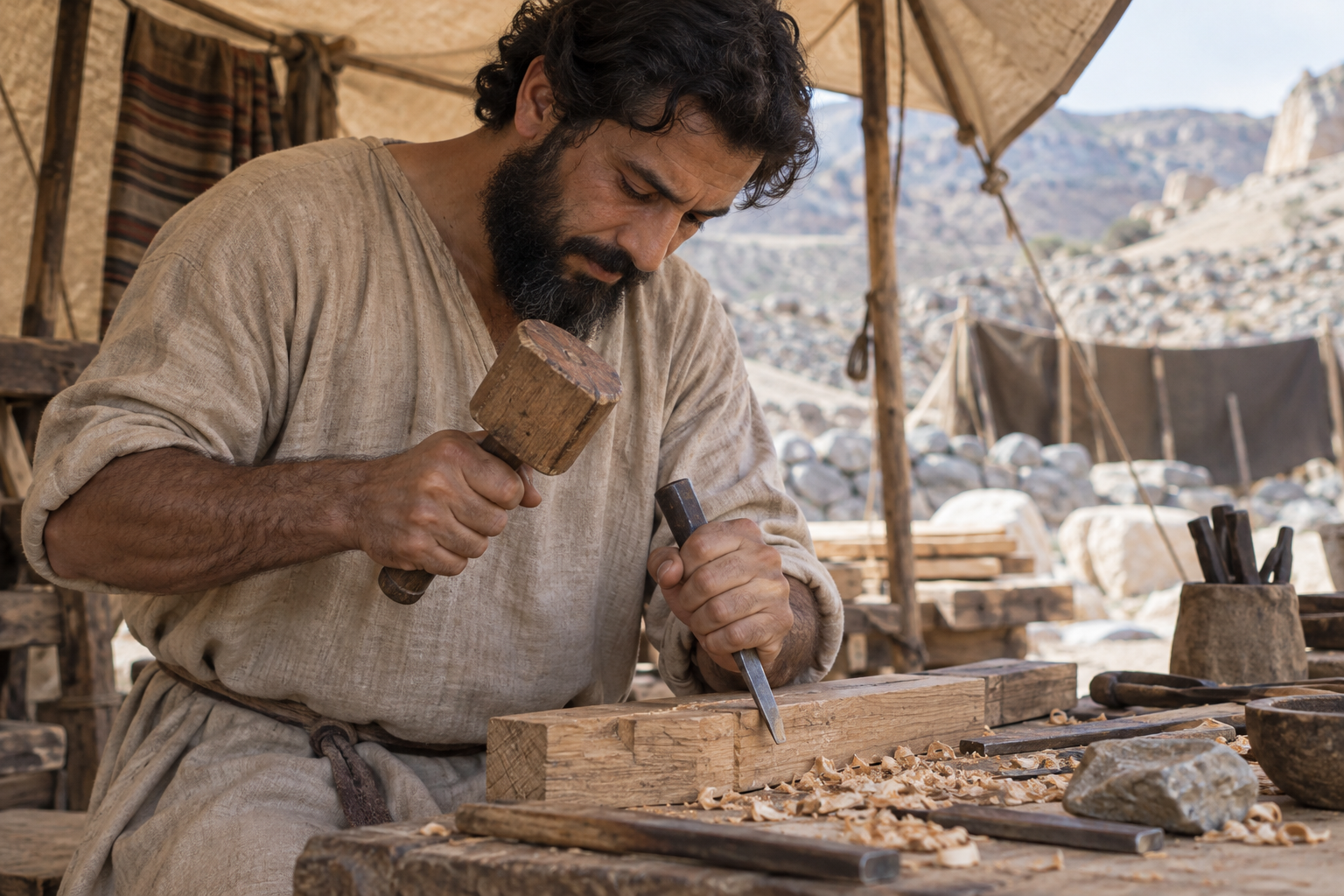
Explore and study
Exodus connects the Spirit of God with the wisdom and skill Bezalel needs for his work. Careful craftsmanship can serve a sacred purpose.
Nicodemus comes to Jesus with questions. Jesus teaches that a person must be born of water and of the Spirit. Nicodemus tries to understand through the familiar experience of physical birth; Jesus directs him toward a different kind of life.
Coming to Christ involves more than collecting answers. It includes receiving His grace and becoming changed. An honest question can belong within that process rather than stand outside it.
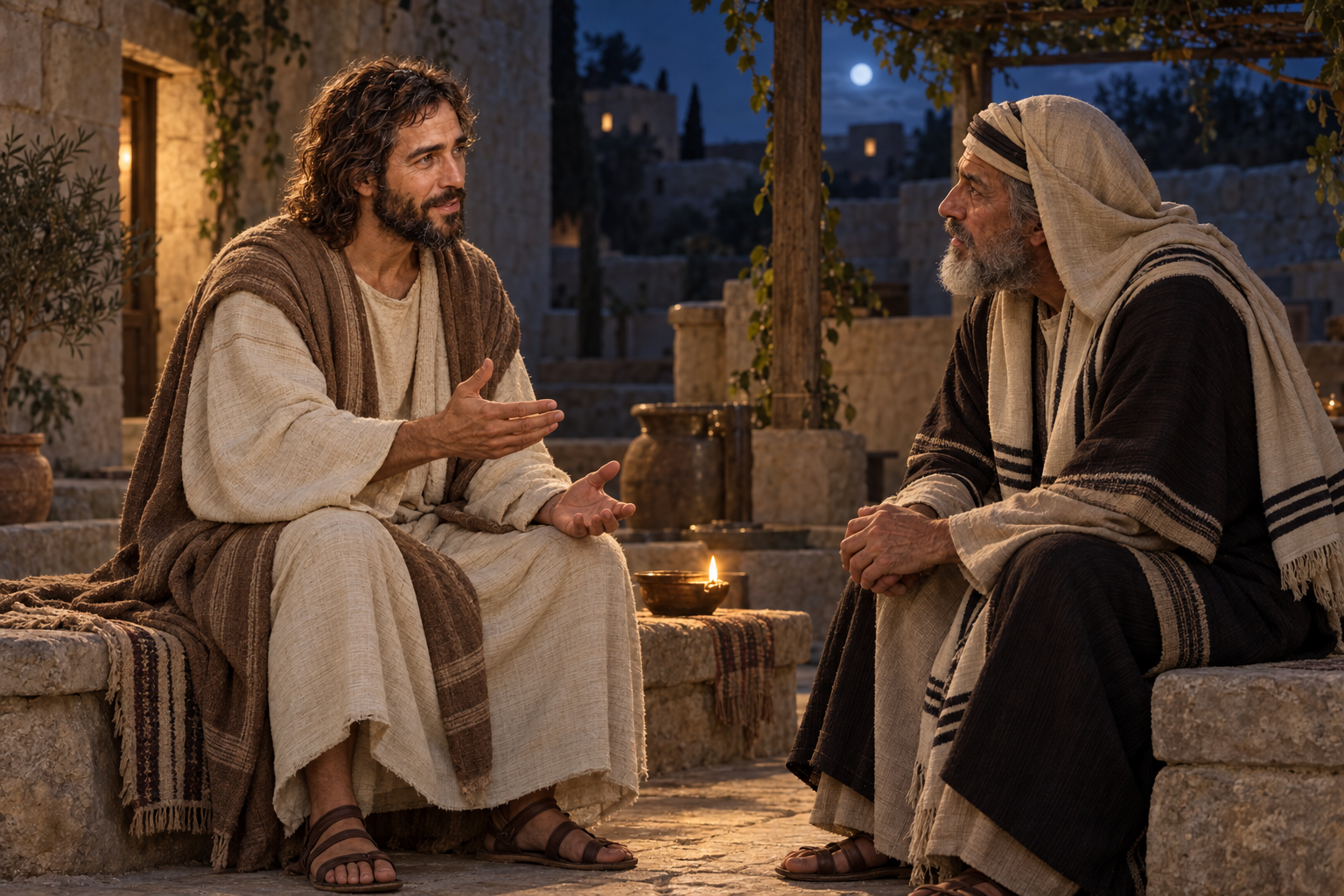
Explore and study
Nicodemus comes by night. Jesus invites him to understand a new birth through water and the Spirit.
In Nazareth, Jesus reads Isaiah's words about the Spirit of the Lord, good news to the poor, deliverance, and healing. He tells His listeners that the scripture is fulfilled in their hearing. His teaching places the Spirit's work beside His mission to people who need Him.
When we think about spiritual gifts, we can ask what they help us become and whom they help us serve. Attention to the Holy Ghost should lead us toward Christ and His work, not merely toward unusual experiences.
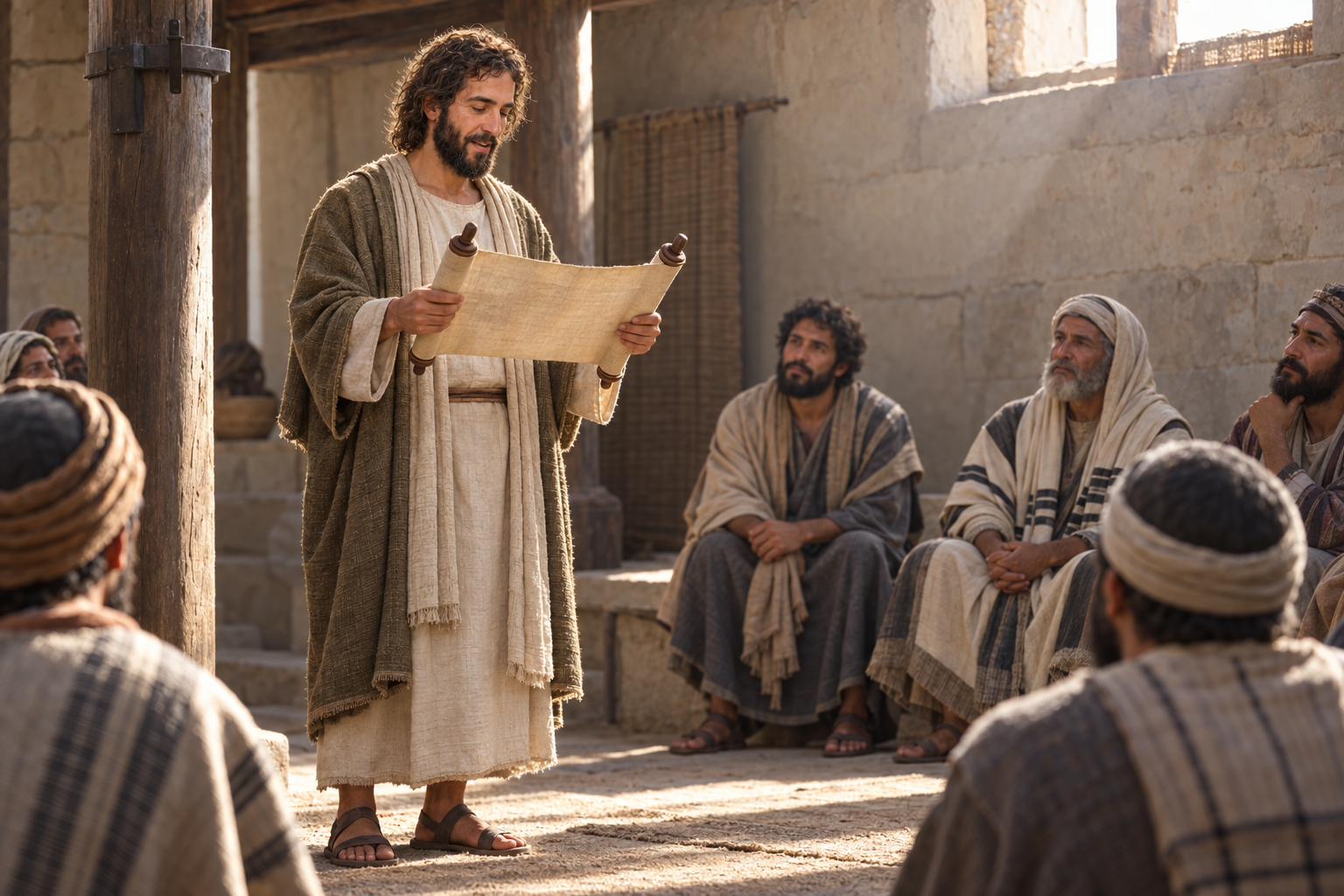
Explore and study
In Nazareth, Jesus reads Isaiah and declares the scripture fulfilled. His words connect the Spirit’s anointing with His mission of deliverance.
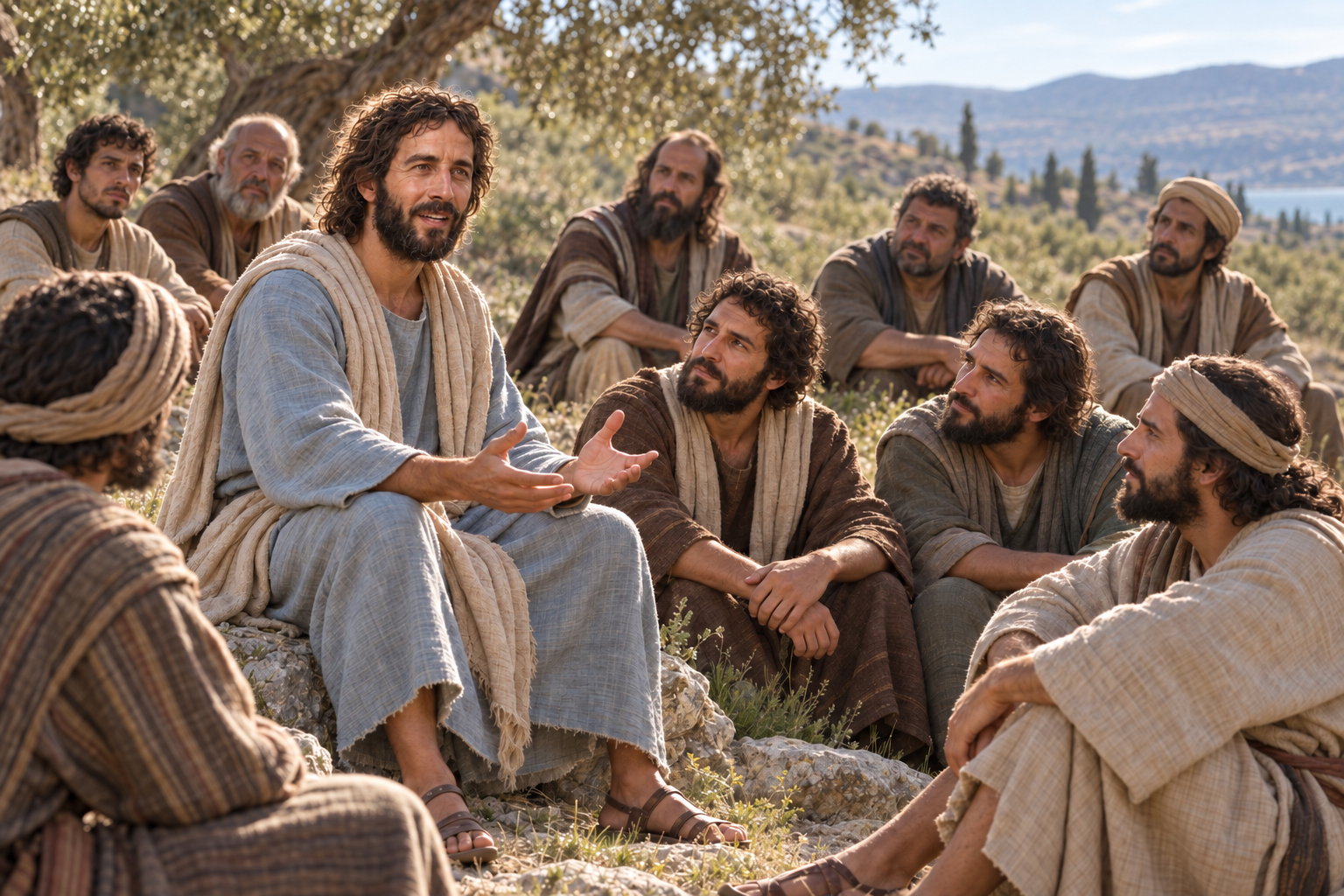
Jesus warns the Twelve that their witness will meet opposition. In that setting, He promises help from the Spirit of their Father when they are brought before others. The promise belongs to a serious calling and a difficult situation; it is not an instruction to stop studying or preparing.
Explore and study
Jesus prepares the Twelve for opposition. He promises help from the Spirit of their Father when their witness brings them before others.
What can you prepare faithfully, while still asking God to help you listen and speak with care?
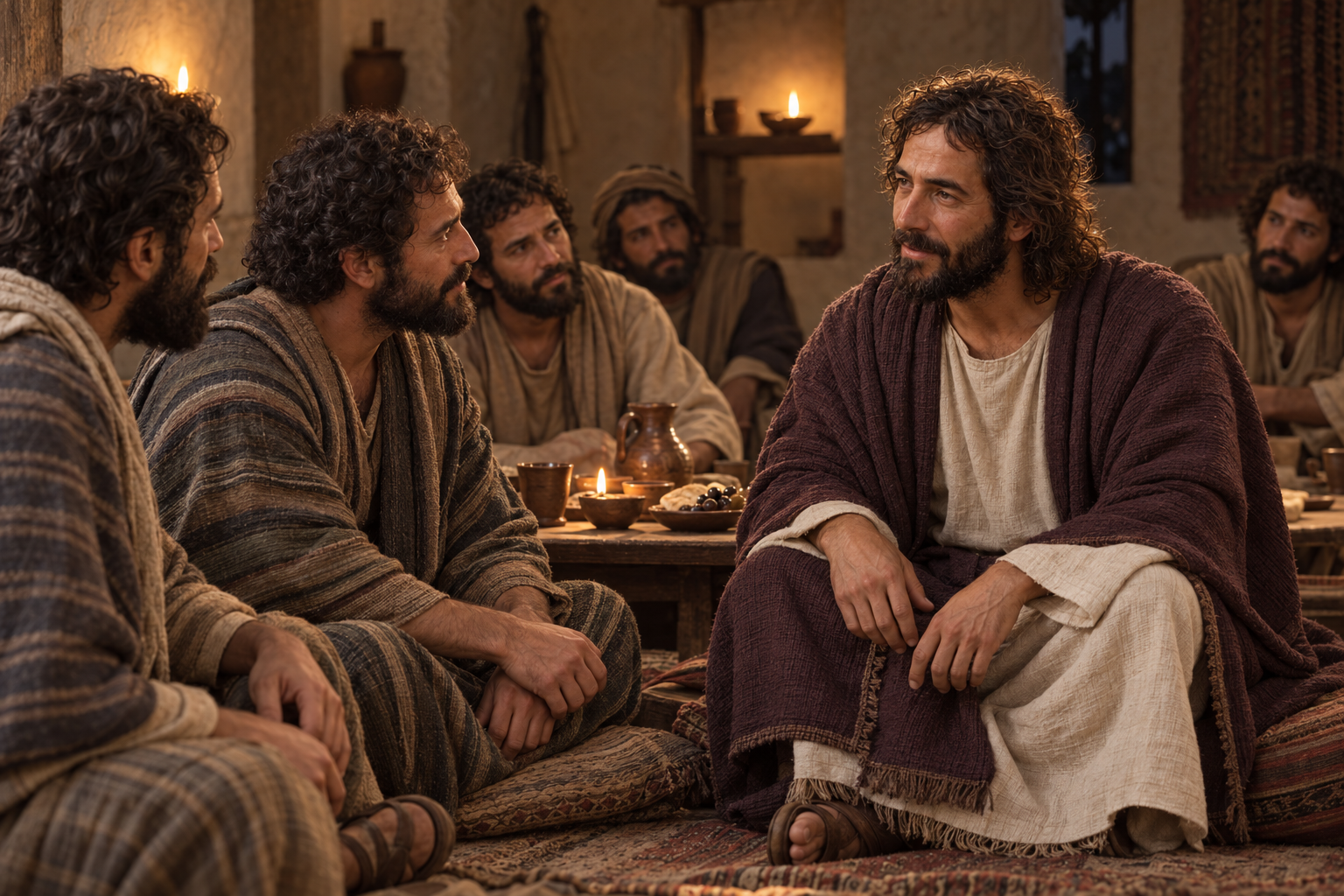
Before His death, Jesus promises that the Father will send the Holy Ghost in His name. The disciples will have a teacher who helps them remember His words. Jesus speaks of peace as He prepares them for a time when His physical presence will not be with them in the same way.
Comfort does not always remove the hard circumstance. Sometimes remembering a teaching, seeing a next step, or finding strength to remain faithful is itself a help. We need not demand a particular emotion before returning to Christ's words.
Explore and study
Jesus promises a teacher and Comforter who will help His disciples remember His words. They will not have to face the coming days without divine help.
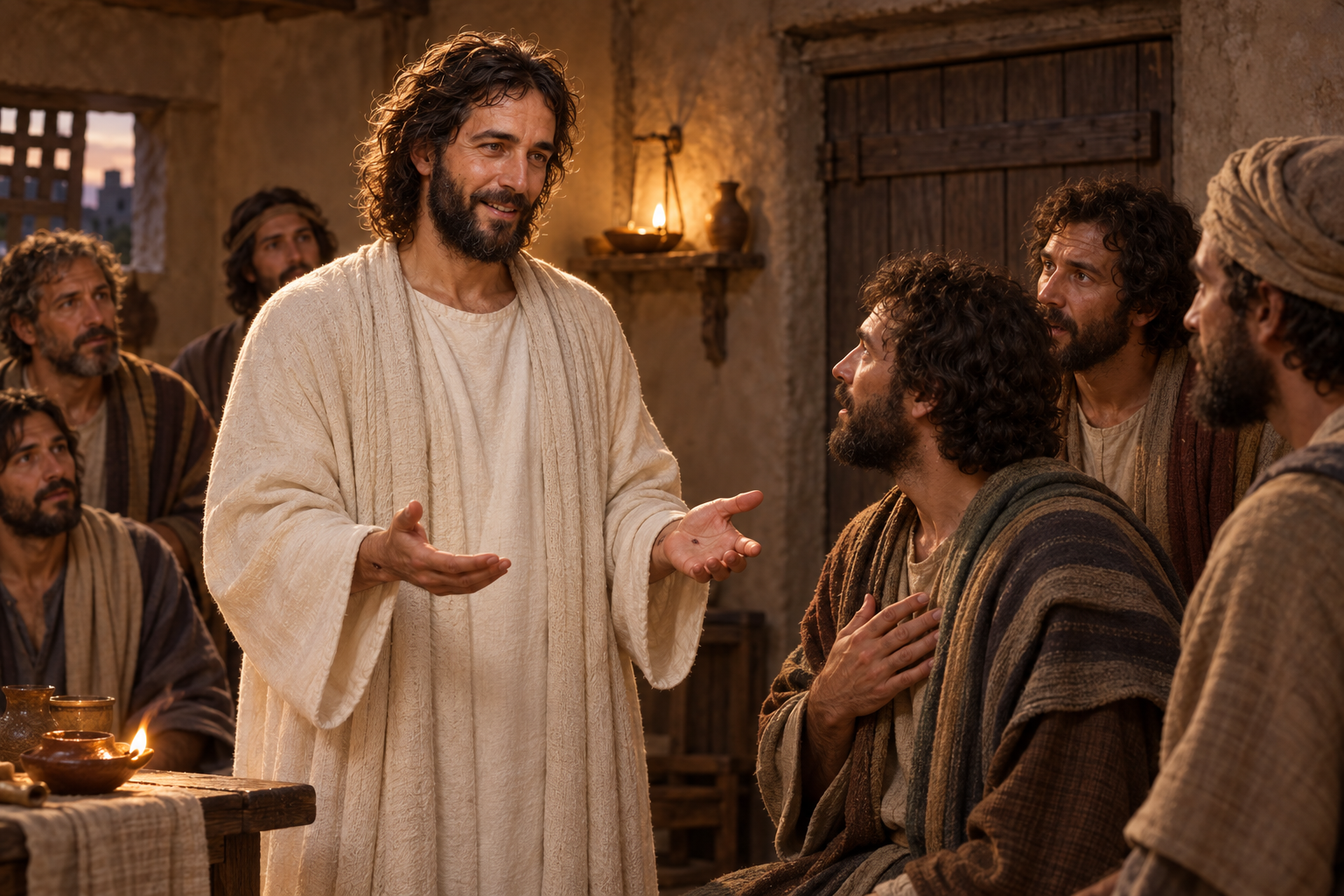
On resurrection evening, Jesus stands among His disciples and speaks peace. John records His commission and His words about receiving the Holy Ghost. This scene belongs alongside the later account of Pentecost; each passage deserves to be read in its own setting.
Explore and study
On resurrection evening, Jesus offers peace and commissions His disciples. John records His words about receiving the Holy Ghost.
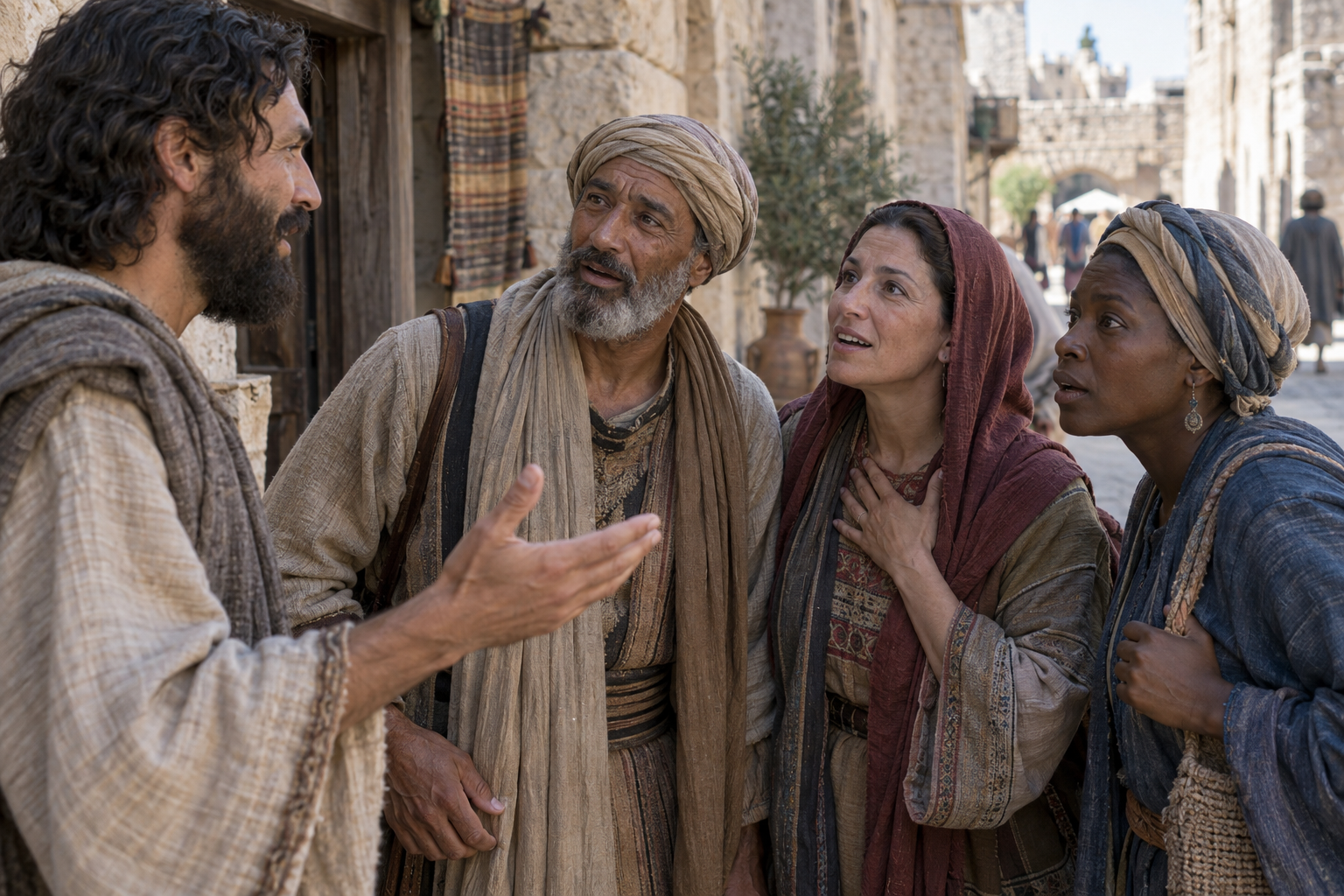
Acts describes the disciples filled with the Holy Ghost and speaking in languages the gathered hearers recognize. Peter bears witness of Jesus Christ and invites a response. The miracle serves understanding and witness; it is not a performance for its own sake.
Explore and study
At Pentecost, people from different places hear in languages they understand. The witness points them toward Jesus Christ.
An angel directs Philip toward a road. Later, the Spirit tells him to go near a chariot. Philip hears a traveler reading Isaiah and asks whether he understands. The traveler invites him to help, and Philip teaches him about Jesus from the passage.
Notice the separate parts of the story: direction, approaching, listening, a question, an invitation, and teaching. A prompting to help does not remove another person's freedom to speak or choose.

Explore and study
The Spirit directs Philip toward the chariot. He approaches, listens to the traveler reading Isaiah, and asks a question before teaching.
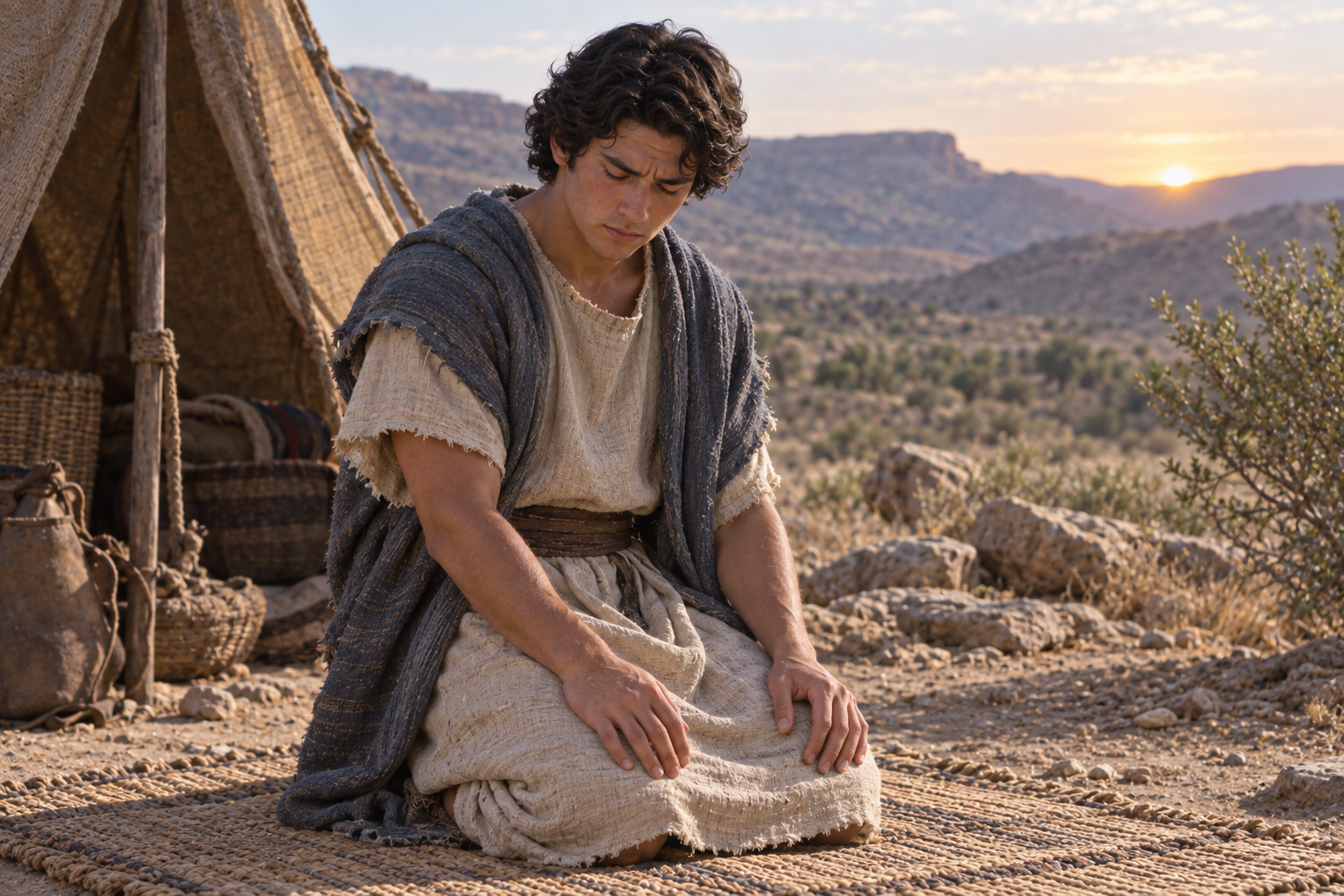
Nephi describes crying to the Lord and having his heart softened. His willingness grows as he seeks; the account does not describe every detail of how that change felt. Later, he teaches his people to take Christ's words seriously, receive the Holy Ghost, and pray.
Explore and study
Nephi remembers crying to the Lord and having his heart softened. The account gives us his response without describing every feeling that accompanied it.
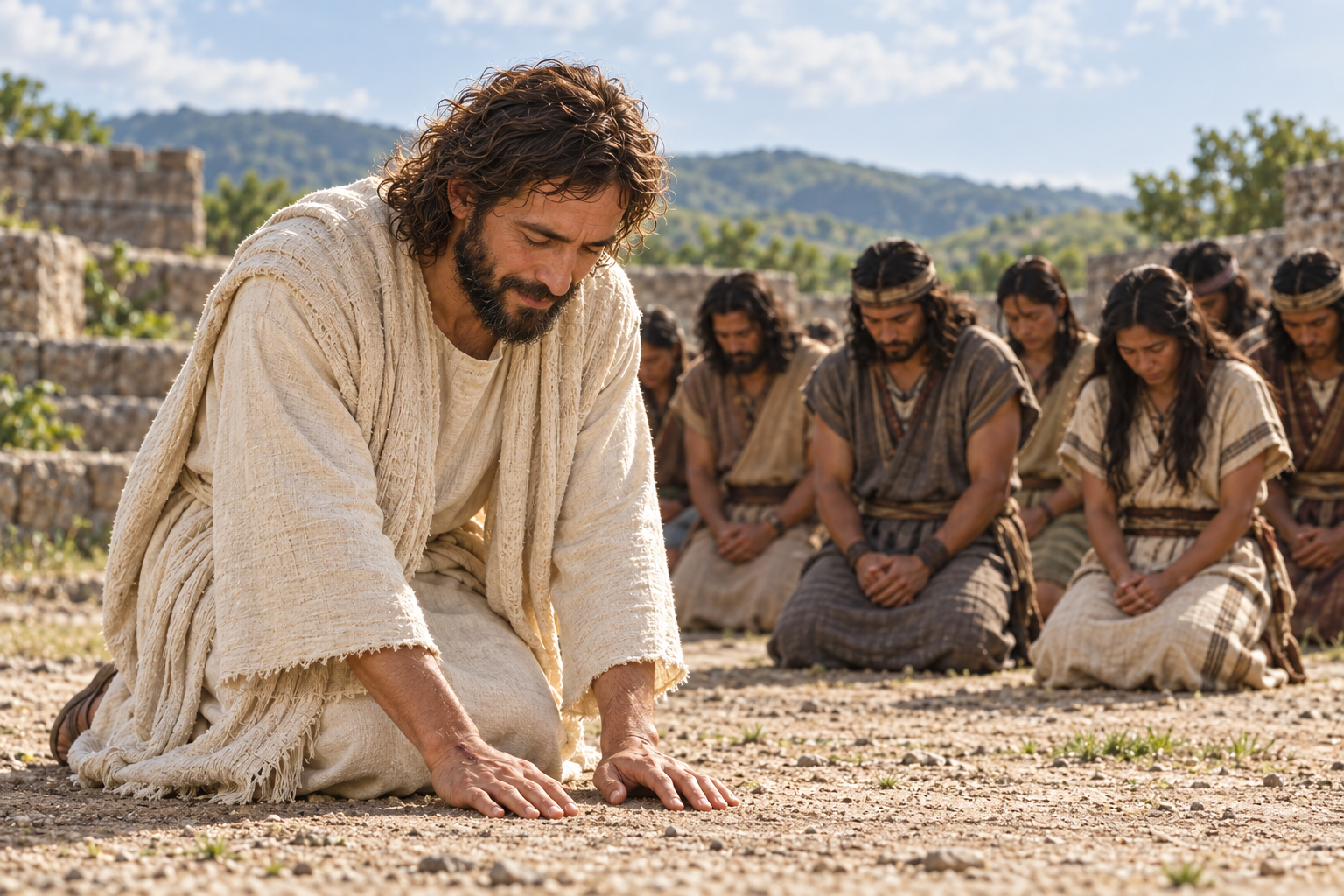
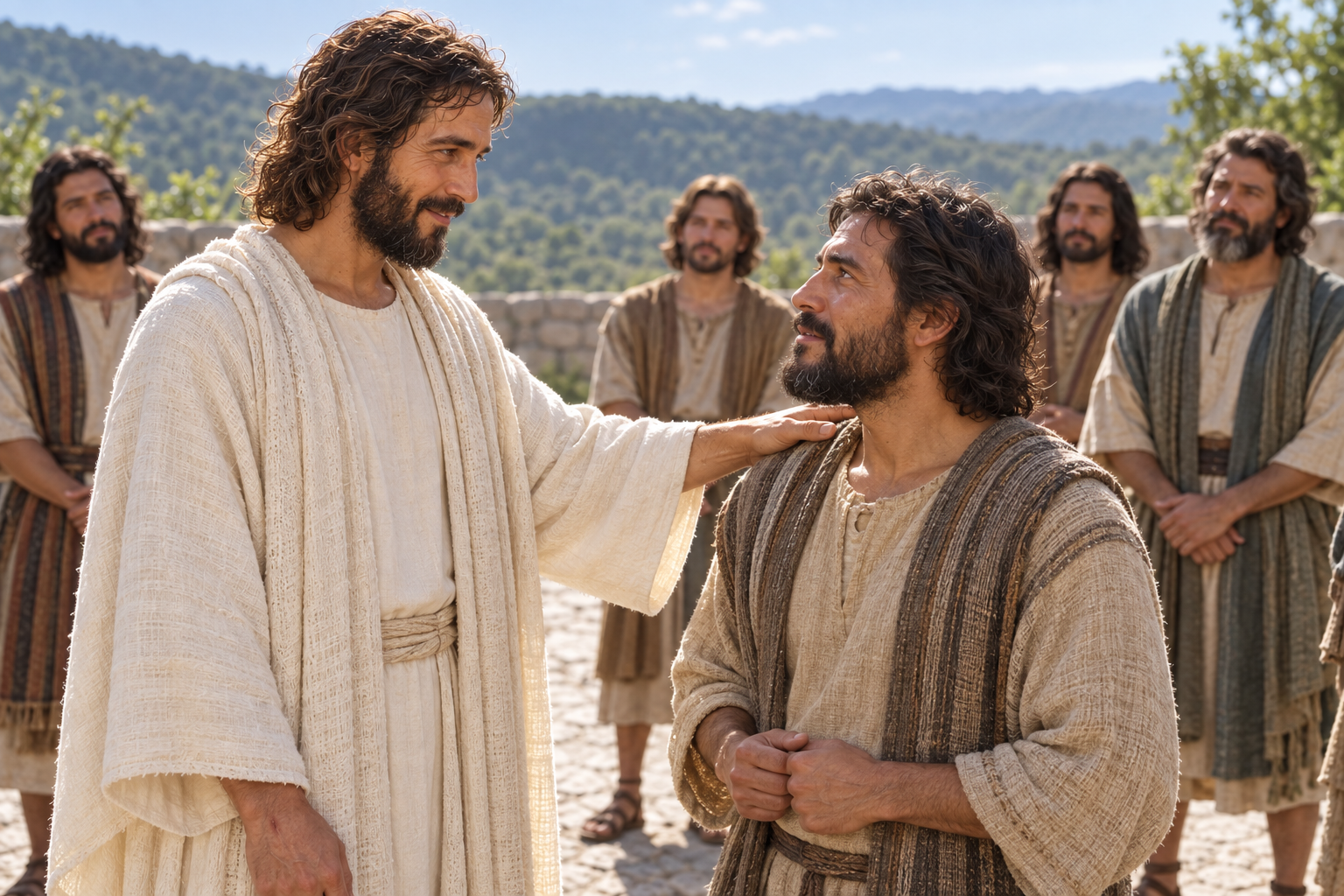
When the risen Savior's disciples pray, their great desire is to receive the Holy Ghost. Jesus returns and prays for them. Their desire is tied to faith in Him, unity, and the work He gives them. Earlier, He has touched the chosen disciples and entrusted them with authority to confer the Holy Ghost. Moroni preserves His instruction to those disciples.
3 Nephi 19:9–24 · 3 Nephi 18:36–37 · Moroni 2:1–3
Explore and study
Jesus returns as His disciples pray, then prays for them. Their desire to receive the Holy Ghost belongs within their faith in Him.
Explore and study
Jesus touches His chosen disciples. Moroni preserves His instruction giving them authority to confer the Holy Ghost.
What does their prayer suggest about the kind of help they value most?
The revelation now known as Doctrine and Covenants 8 was given to Oliver Cowdery in 1829. It describes revelation in the mind and heart through the Holy Ghost. The next section also tells him to study a matter out and ask God. These passages bring effort and prayer together.
Oliver was seeking help with translation. His instruction joins careful thought with prayer; it does not mean everyone will recognize guidance in exactly the same way.
Doctrine and Covenants 8:1–5 · Doctrine and Covenants 9:7–9

Explore and study
A present-day study scene illustrates an application of the counsel given to Oliver Cowdery: bring thought, prayer, and a willingness to learn together.
The book of Moses describes Adam's baptism and spiritual rebirth. Within Latter-day Saint scripture, the invitation to repent, be baptized, and receive the Holy Ghost reaches back to the first human family.

Explore and study
Adam kneels beside the water. Read how the book of Moses connects his baptism with the Spirit and new life.
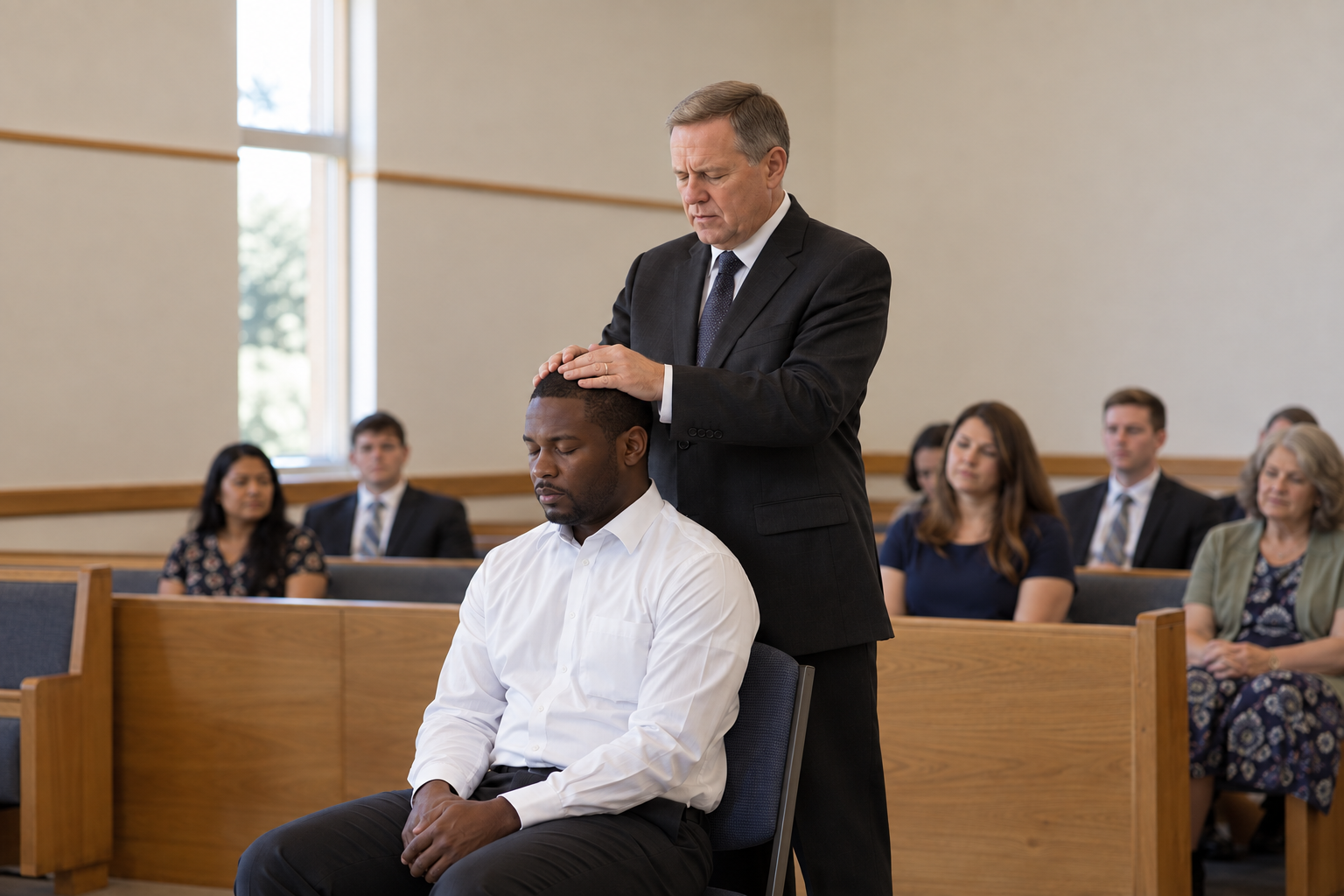
After baptism, a person is confirmed and receives the gift of the Holy Ghost through the laying on of hands by those with authority. Receiving that gift begins a continuing life of faith, repentance, prayer, and attention to Christ. It is not a promise that every question will be answered immediately or that a person must feel a dramatic change during the ordinance.
Doctrine and Covenants 20:41 · Articles of Faith 1:4 · David A. Bednar, Receive the Holy Ghost
Explore and study
After baptism, confirmation includes the laying on of hands for the gift of the Holy Ghost. Receiving that gift continues in daily discipleship.
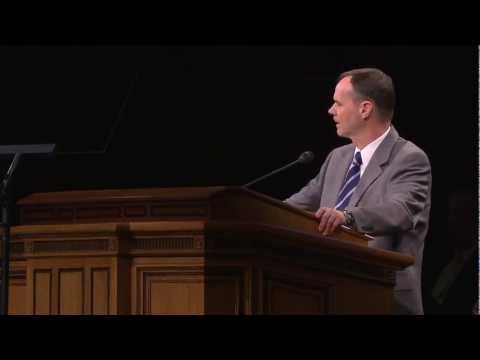
In the featured message, Elder David A. Bednar encourages listeners to move forward with faith in Jesus Christ rather than become immobilized by trying to identify every impression. He illustrates that counsel through experiences he later understood differently. Listen to the recording for his stories and exact words.
His counsel is not permission to treat every impulse as God's instruction. Read it alongside the scriptural invitation to discern what leads toward goodness and faith in Christ, and Elder Dale G. Renlund's teaching about the bounds of personal revelation. Guidance for your own responsibilities does not give you authority over another person's life.
Paul describes the fruit of the Spirit in qualities such as love, patience, gentleness, and self-control. That turns our attention toward the people we are becoming and the way we treat others. It is not a checklist that proves every private impression came from God.
Choose a real question. Read a relevant passage in context. Pray honestly, think carefully, and seek trustworthy counsel where it would help. Consider a good step you can take without overriding someone else's freedom. Afterward, reflect on what you learned and remain willing to revise your understanding.
Spiritual experiences differ. An absence of tears, warmth, or immediate certainty is not a verdict on your worth. This page cannot determine whether a particular private thought came from God. It can help you return to scripture and ask your question with greater care.
General conference
Notice how understanding can grow gradually, without a dramatic signal every time.
David A. Bednar · April 2011
General conference
Consider what receiving the Holy Ghost means in daily discipleship.
David A. Bednar · October 2010
General conference
Consider how learning to recognize the Spirit can lead us to offer help and care to others.
Ronald A. Rasband · April 2017
BYU devotional
Reflect on preparation, receptivity, and recognizing spiritual help in everyday life.
James P. Porter · BYU devotional, March 22, 2011