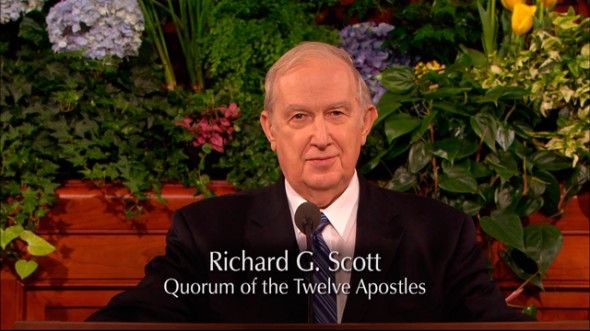
Conference video · 14:58
Using the Supernal Gift of Prayer
The Church of Jesus Christ of Latter-day Saints
Study Jesus Christ · Prayer & Revelation
How Do Prayer and Personal Revelation Work?
ContinueLatter-day Saints believe Heavenly Father hears sincere prayer and can give personal guidance through the Holy Ghost. They also believe spiritual impressions should be sought humbly, tested carefully, and kept within the responsibilities God has actually given a person.
Latter-day Saint prayer is directed to God the Father in the name of Jesus Christ. Prayer can include gratitude, confession, worship, requests for help, questions, and quiet listening. The purpose is not to force a preferred answer from God but to turn toward Him with sincerity and willingness to follow Him.
Explore and study
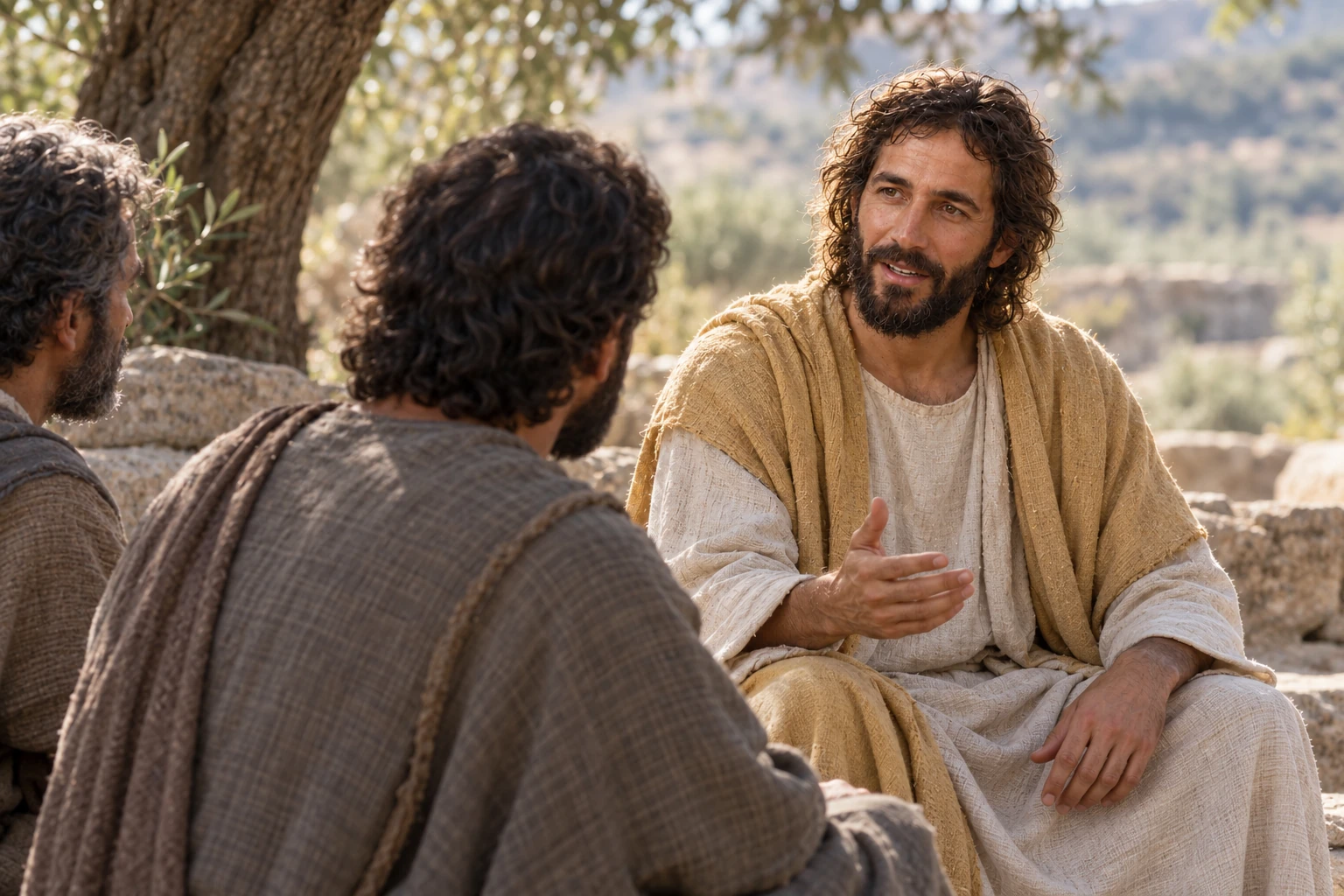
After Jesus prays, a disciple asks to be taught. The Savior answers with words that turn His followers toward the Father.
Personal revelation means divine guidance given to an individual for that person’s life, needs, relationships, and responsibilities. Latter-day Saints believe the Holy Ghost can bring peace, warning, understanding, remembrance, conviction, or quiet impressions. Revelation may come gradually rather than as a dramatic event.
Recognize and remember

Explore and study
Jesus withdraws into the wilderness to pray alone. In the stillness, He shows the closeness, trust and renewal found in communion with the Father.
In Using the Supernal Gift of Prayer, Elder Richard G. Scott describes seeking answers through prayer, thought, work, and patient action. He explains that understanding may arrive in portions. He also describes peace as a confirming witness in his own experience. Read his account as a personal testimony while making room for the questions you are still working through.
Conference video · 14:58
The Church of Jesus Christ of Latter-day Saints
Read Doctrine and Covenants 6:22-23 alongside his teaching. The Lord reminds Oliver of peace connected with a particular question. As a personal reflection, write what you remember and what it helped you understand. Keep any unresolved question beside it. Remembering an experience does not require adding certainty about something it did not answer.
Watch and reflect: What have I already received that deserves patient attention?
Explore and study
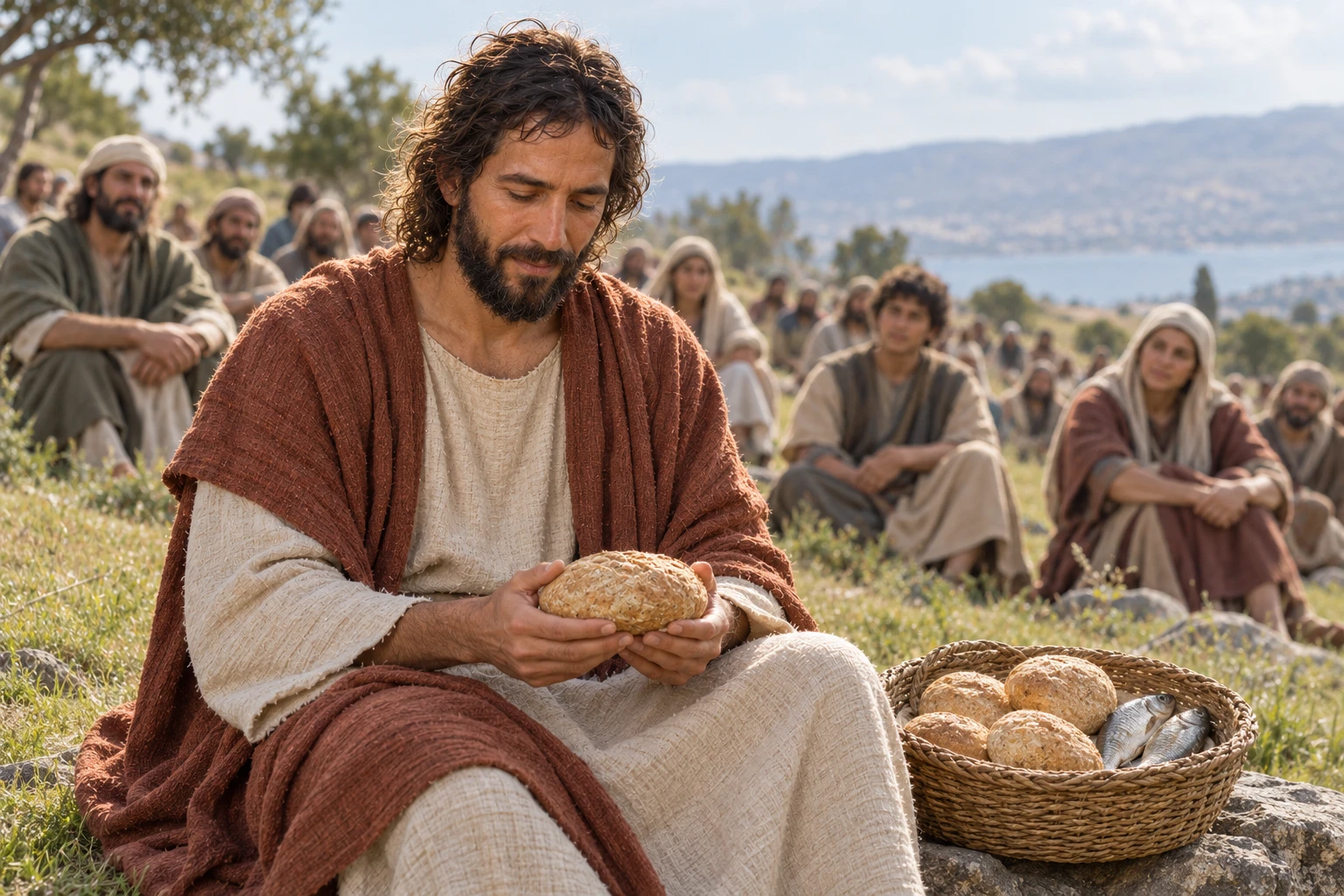
Before the bread was shared, Jesus gave thanks. A small meal became part of His care for a hungry multitude. Gratitude belongs in prayer alongside the needs we bring to the Father.
Official Church teaching emphasizes prayer, scripture study, repentance, obedience, worship, and patient effort. A person may study a question, make a thoughtful decision, ask God for confirmation or correction, and remain open to an answer that differs from the original preference.
Bring your own questions to the Savior’s words. Explore a study of reading scripture together.
Latter-day Saints are taught not to treat every feeling as revelation. Genuine guidance should be consistent with God’s revealed commandments and the teachings of Jesus Christ. It should not authorize a person to control someone else’s agency or claim revelation for responsibilities that belong to another. Time, scripture, wise counsel, repeated impressions, and the fruits produced by a decision can help with discernment.

Explore and study
Two women sit together on a bench aboard a boat, one speaking while the other listens. Sometimes it helps to talk with someone who will listen patiently as we work through a question.
Waiting for an answer can be lonely, especially when the question matters deeply. A quiet prayer or an uncertain feeling is not, by itself, a verdict on your faith. Latter-day Saint teaching makes room for guidance that comes gradually and for thoughtful decisions made without a detailed instruction. You can keep seeking, talk with someone you trust, and take time to gather what you need.

Conference video · 12:41
Official Church talk; original focusChrist artwork
Watch with a question: Elder Dale G. Renlund explains how personal revelation relates to scripture, commandments, and your own responsibility to choose. As you listen, identify what is yours to decide and what belongs to someone else. Use the discernment exercise below to consider a next step while remaining open to further guidance.
Explore and study
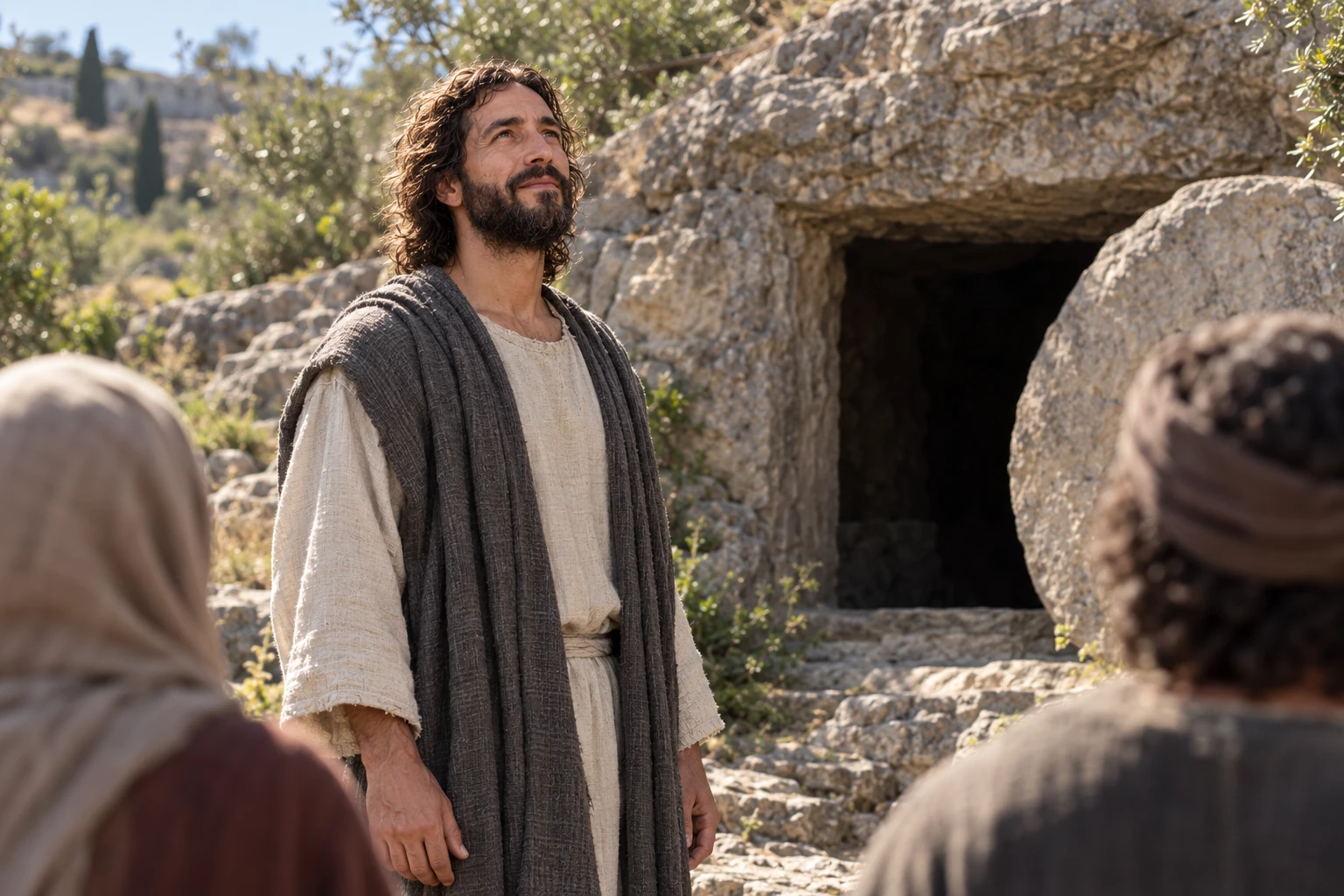
Before calling Lazarus from the tomb, Jesus thanks the Father. Those standing nearby hear His prayer and His witness of the One who sent Him.
Read James 1:5-6, which invites those seeking wisdom to ask God. Doctrine and Covenants 8:2-3 describes guidance through the Holy Ghost in the mind and heart. You might name one question in your own words, spend a little time with the passage, and write down what you still need to understand. This is an invitation to pray, not a test of whether you feel something immediately.
You can take an impression seriously while still considering it carefully. What does scripture teach about the decision? What information is missing? Does the choice respect another person's freedom? An urgent feeling alone does not settle those questions.

One person listens while another shares a concern. Explore persuasion, gentleness and respect for another person’s agency.
Doctrine and Covenants 121:41–44
Read “Listening with patience” in Jesus Christ in the Restoration and Today →In A Framework for Personal Revelation, Dale G. Renlund discusses scripture, personal responsibility, God's commandments, and openness to further guidance. His explanation is especially helpful when someone claims to know God's will for another person's major life decisions. Counsel can help you think; it does not remove your responsibility to choose.
If your concern is that answers seem slow, the Church's Recognize That Revelation Is a Process offers further study. You might return to one question over time, without treating each prayer as a deadline for certainty.

Explore and study
A man writes beside an open book, placing prayer, thoughtful effort and a responsible next step together. The Lord's counsel to Oliver Cowdery joins seeking God's help with patient study.
Think of a moment like this: you feel drawn to contact a friend who has been distant. Elder Dale G. Renlund's framework directs attention to scripture, your responsibilities, God's commandments, and openness to further guidance. You can choose to offer a kind message. Your friend remains free to respond, decline, or ask for space. An impression to care for someone does not give you authority to decide their life.

Explore and study
Two women pause beside their bicycles for a thoughtful conversation. Wise counsel can broaden a decision while leaving prayer, agency and responsibility with the person who must choose.
Is this kind? Is it mine to decide? What information or consent do I need? These questions are personal reflection aids. They do not certify an impression as revelation. You can act thoughtfully while remaining willing to learn and change.

Explore and study
The Lord asked Oliver Cowdery to study a matter out and then ask. We can bring that same willingness to think and learn into an ordinary decision, seek counsel, and take a careful next step.
Matthew 6:5-13 places Jesus's teaching on prayer beside cautions about public display and empty repetition. The prayer He teaches includes God's will, daily needs, forgiveness, and deliverance. Consider which part is closest to your concern. You can speak to God in your own words, even when it is hard to explain what you need.

Explore and study
A man prays privately beside an open book, echoing Jesus's teaching in Matthew 6 that prayer is sincere communion with the Father rather than a public performance.
Doctrine and Covenants 9:7-9 was addressed to Oliver Cowdery in connection with translation. It describes studying a matter and asking God. Keep that setting in view: the passage should not become a rule that every faithful person must experience the same physical sensation for every decision. Compare it with the broader discernment guidance linked above.
Alma 32:21, 26-28 distinguishes faith from perfect knowledge and invites a willingness to begin. As a personal exercise, separate what you know, what you hope, and what you still need to learn. That can help you bring a more honest question to prayer without claiming certainty you do not have.
Consider the question, information you have gathered, counsel you have received, and a possible next step within your responsibility. Revisit it as circumstances change. A journal can support reflection, but it does not turn every thought into revelation.
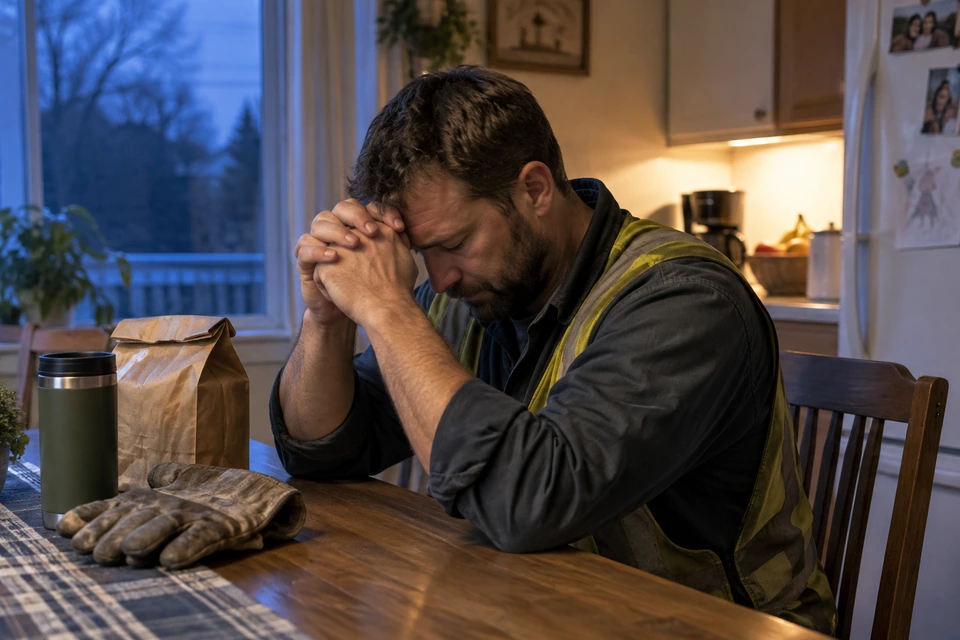
A man pauses to pray before the day begins. Continue with an invitation to bring our concerns to the Father.
Read “Turn to God before the day begins” in Jesus Christ →Matthew 6:9–13 includes reverence, daily need, forgiveness, and God’s will. You can use these themes to consider what you want to bring into a sincere prayer.
Name an ordinary need as plainly as you can. What part of it can you act on, and what help could you ask another person to provide? Bring the whole concern to prayer, including the part you do not know how to resolve.
Consider a decision where you strongly prefer one answer. What information or wise counsel would help you remain teachable? Write a prayerful question that leaves room to learn without handing your responsibility to someone else.
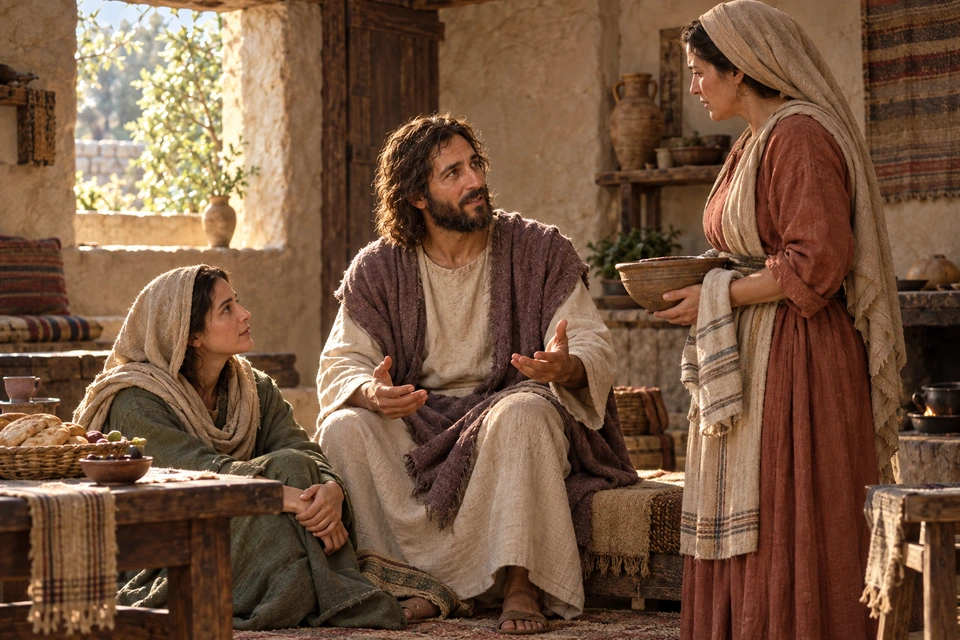
Mary listens while Martha brings her concern to Jesus. Pause with them and hear His words.
Read “Room to hear His words” in Jesus Christ →Return to a previous note about guidance. What remains clear, and what has changed as you learned more? Give thanks for what has helped, keep open questions visible, and choose a responsible next step within your own stewardship.
Keep praying while you keep walking. Study Joseph’s prayer in Liberty Jail and consider how commitment to Christ can accompany an unresolved question.
Continue with remembered peace, everyday decisions, and the invitation to look unto Christ in every thought.
Consider faithful action and support without requiring a particular feeling.
Read Psalm 46 in context and try an optional reflection about attention and agency.
Explore three official videos on prayer, quiet attention and spiritual understanding, with scripture to read alongside them.