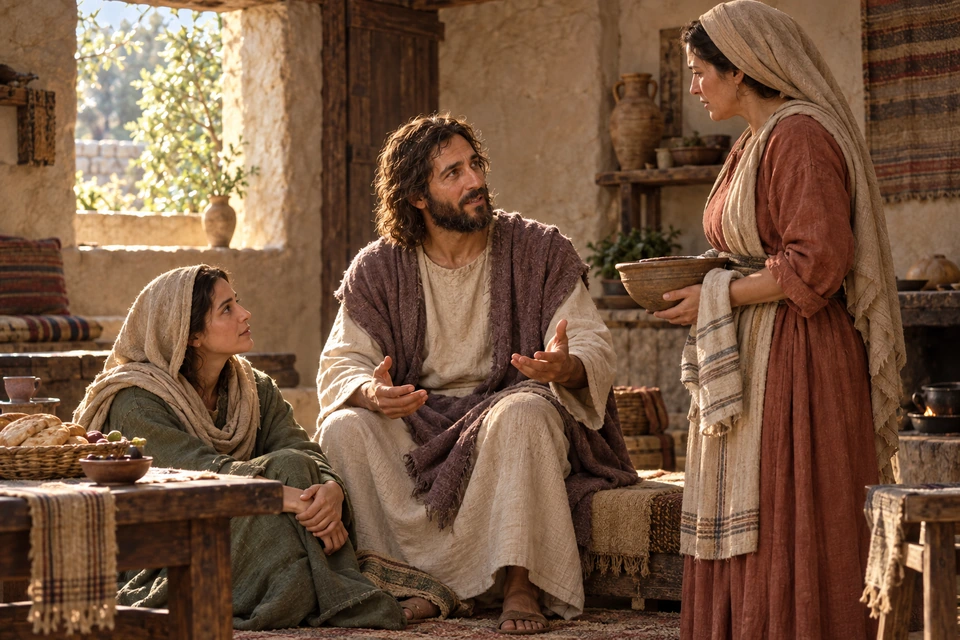
Room to hear His words
Mary listens while Martha brings her concern to Jesus. Pause with them and hear His words.
Read “Room to hear His words” in Jesus Christ →Study Jesus Christ · Stand Forever
Some questions shape the way we approach all the others. Consider Elder Lawrence E. Corbridge’s invitation to seek truth, consider different ways of learning, and bring your questions to scripture and prayer.
ContinueStudy foundational questions, honest inquiry, and revelation through Elder Lawrence E. Corbridge’s January 22, 2019 BYU devotional. Read the complete source beside this focusChrist study guide.
Watch and study · Scripture Central
 ▶ Watch the trailer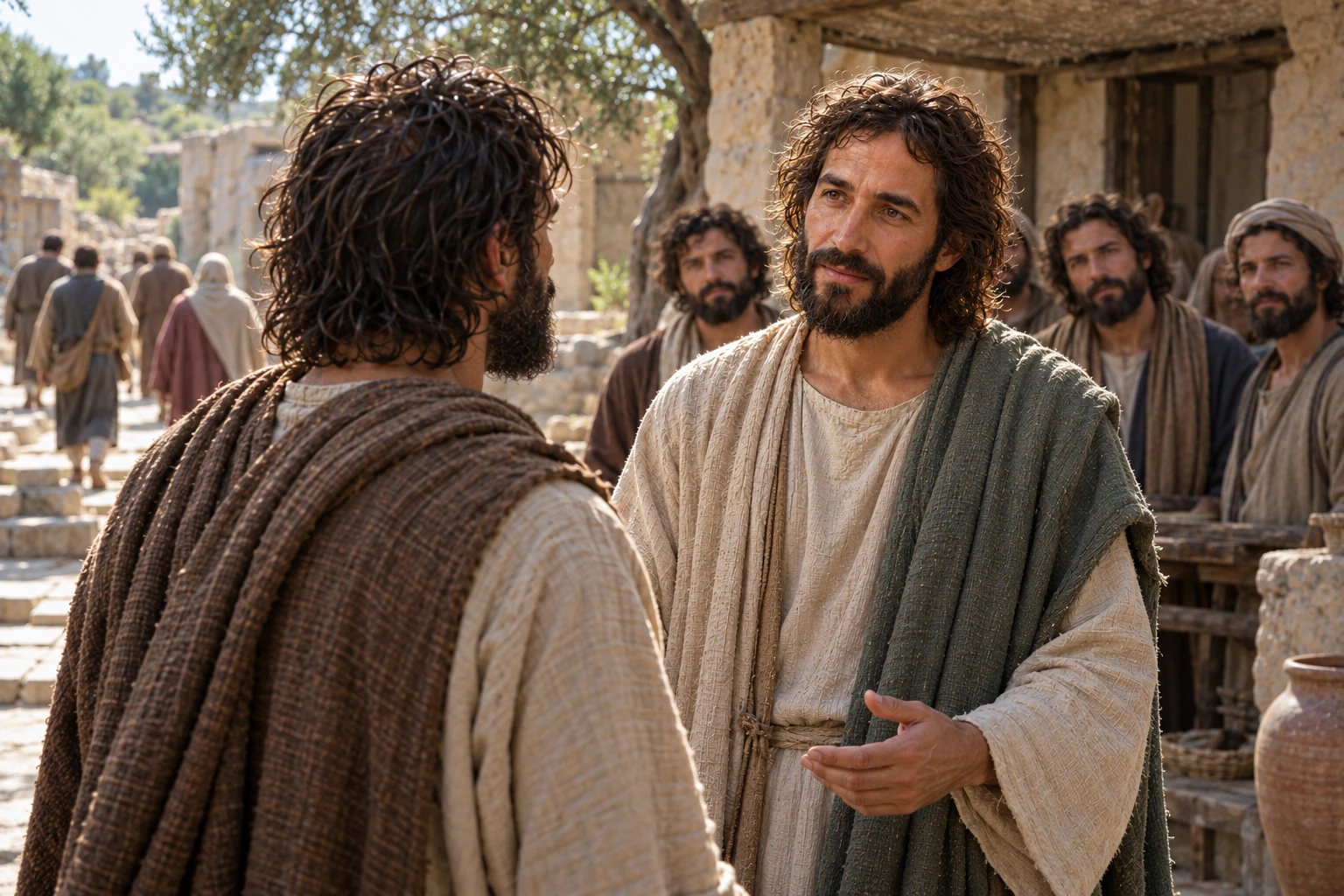
Explore and study
As others turn away, Peter stays close to Jesus. His answer points to the Savior Himself: the One whose words give eternal life.
Explore Scripture Central’s series on enduring discipleship in Jesus Christ. The series expands on the message of Elder Corbridge’s 2019 BYU devotional, which you can study below.
Begin with episode 1, “Will You Stand, or Will You Go Away?” Or open the publisher’s full playlist to choose from its available videos.
Published by Scripture Central. The playlist on YouTube contains the publisher’s current selection. About the series and speaker.
Mary listens while Martha brings her concern to Jesus. Pause with them and hear His words.
Read “Room to hear His words” in Jesus Christ →Questions, knowledge, and revelation
In his January 22, 2019 BYU devotional, Elder Lawrence E. Corbridge asks how disciples can remain grounded when they encounter difficult claims, uncertainty, or an overwhelming number of questions. His answer is not to stop asking. It is to understand which questions are foundational, use every honest way of learning available, and seek a confirming witness through the Holy Ghost.
The address identifies four foundational questions. These are presented as the questions that give spiritual orientation to the many historical, doctrinal, cultural, and personal questions a disciple may continue to examine.

Explore and study
A woman sits with an open book and notebook, giving one important question her full attention. Her quiet study joins honest thought with a heart willing to seek God in prayer.
Choose a question to open its complete study. Read a passage in context, explore its video resources, then use the connected studies to continue at your own pace.

Is there a God who is our Father? Consider what scripture, experience, creation, prayer, and revelation contribute to this question.
Open study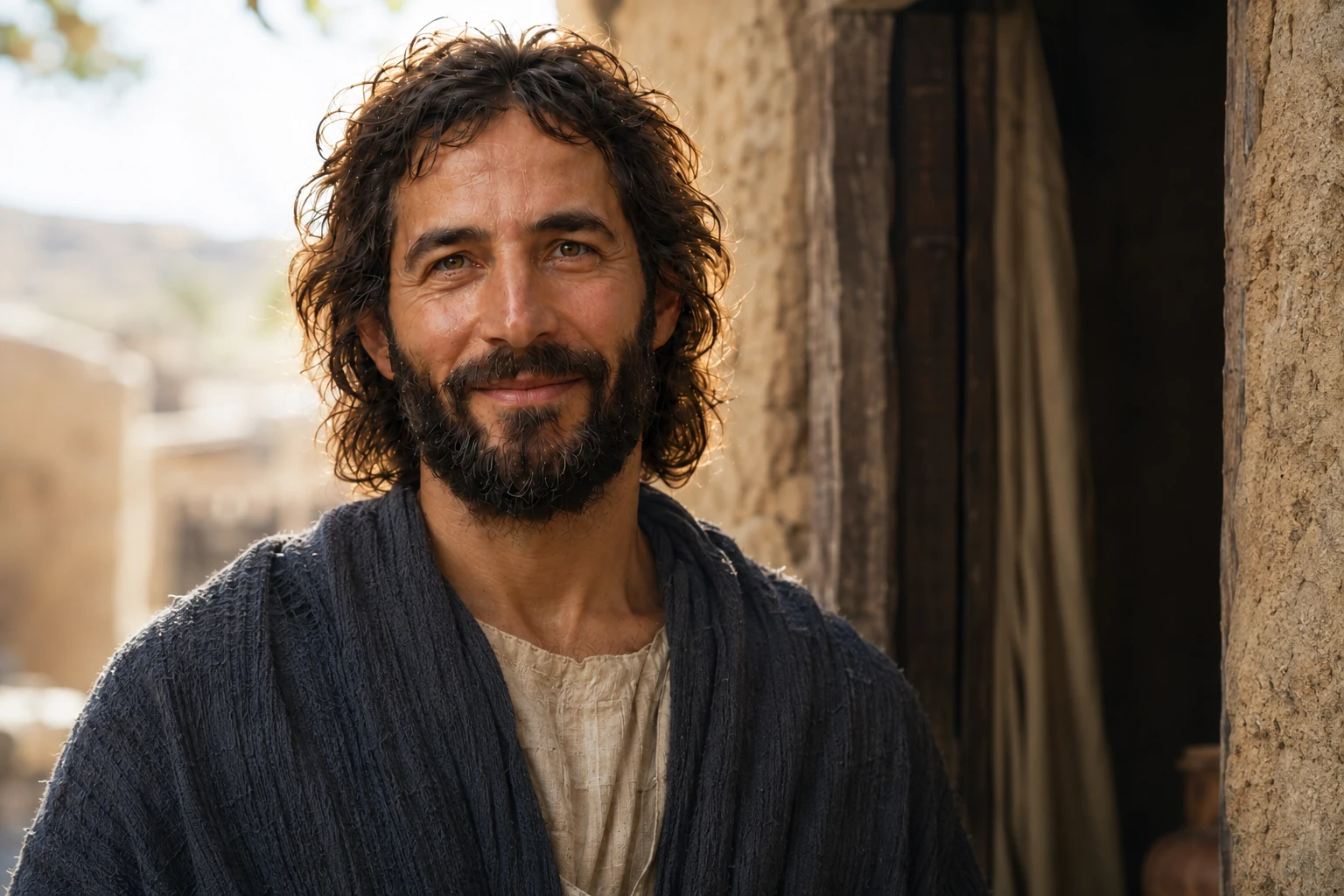
Is Jesus Christ the Son of God and Savior of the world? Let His identity, teachings, Atonement, and Resurrection remain central.
Open study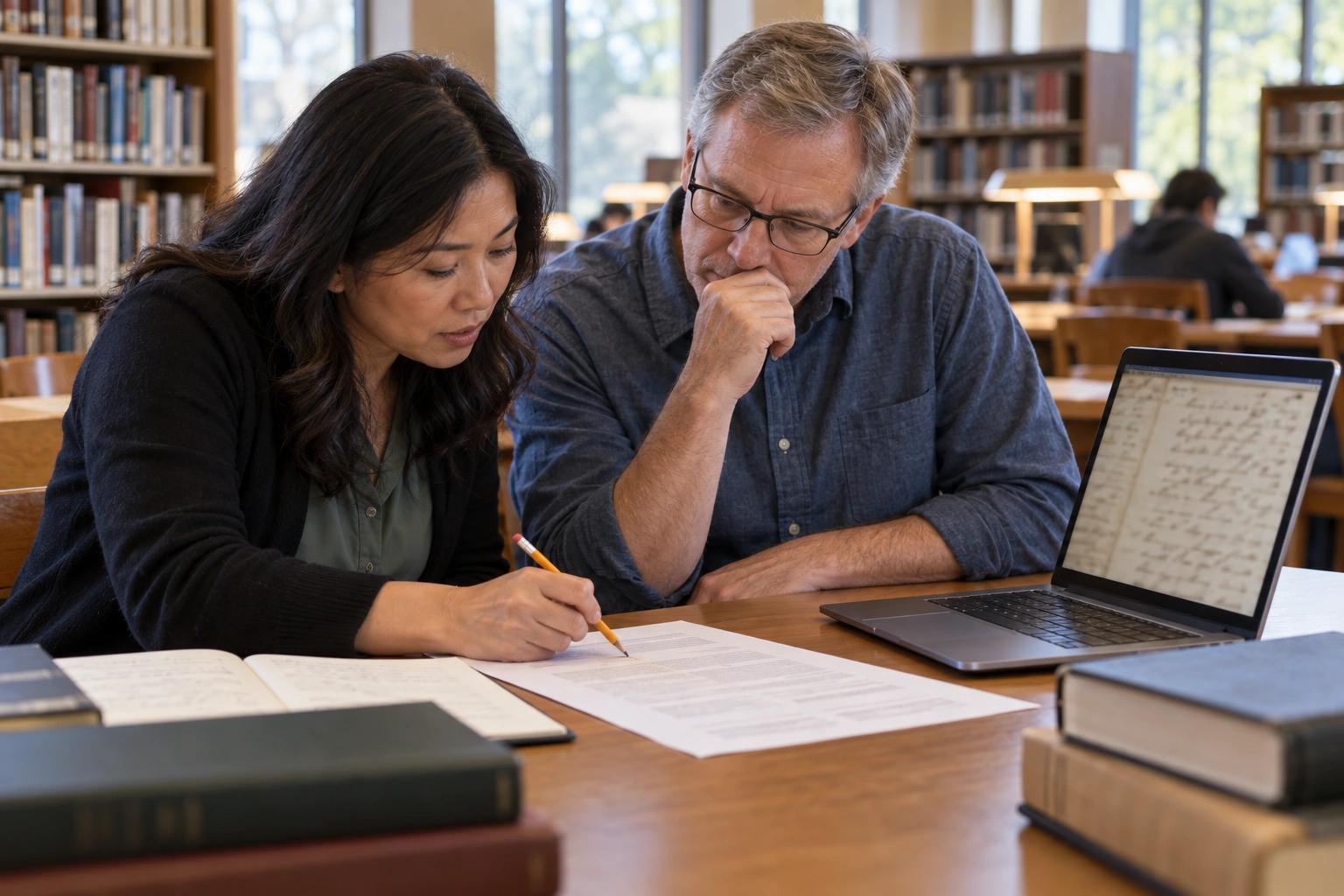
Was Joseph Smith a prophet? Study the historical record, revealed scripture, prophetic claims, fruits, and your own spiritual inquiry.
Open study
Is The Church of Jesus Christ of Latter-day Saints God’s kingdom on the earth? Examine its authority claims, covenants, doctrine, mission, and fruits.
Open studyThe talk describes four methods that begin with a question. Together they invite action, careful reasoning, disciplined study, and revelation rather than dependence on a single kind of evidence.

Explore and study
A student studies an original source beside her own notes. She follows what the record can establish and has the humility to leave unanswered what it cannot.
Form a question, act or experiment where appropriate, observe the result, and revise what you think. Gospel truth can be tested through faithful practice and its fruits.
Gather relevant evidence, organize it, weigh it fairly, notice assumptions, and draw conclusions that remain proportionate to what the evidence supports.
Read deeply and in context. Compare scripture, original records, responsible scholarship, and authoritative teaching rather than relying on isolated summaries.
Seek knowledge through the Holy Ghost. Prayer and revelation do not remove the need to act, reason, or study; they address spiritual truth through the Spirit of God.
Begin with a question that matters to you. Take time to read, think, and pray as you work through it. You can keep following Jesus Christ while you seek an answer.
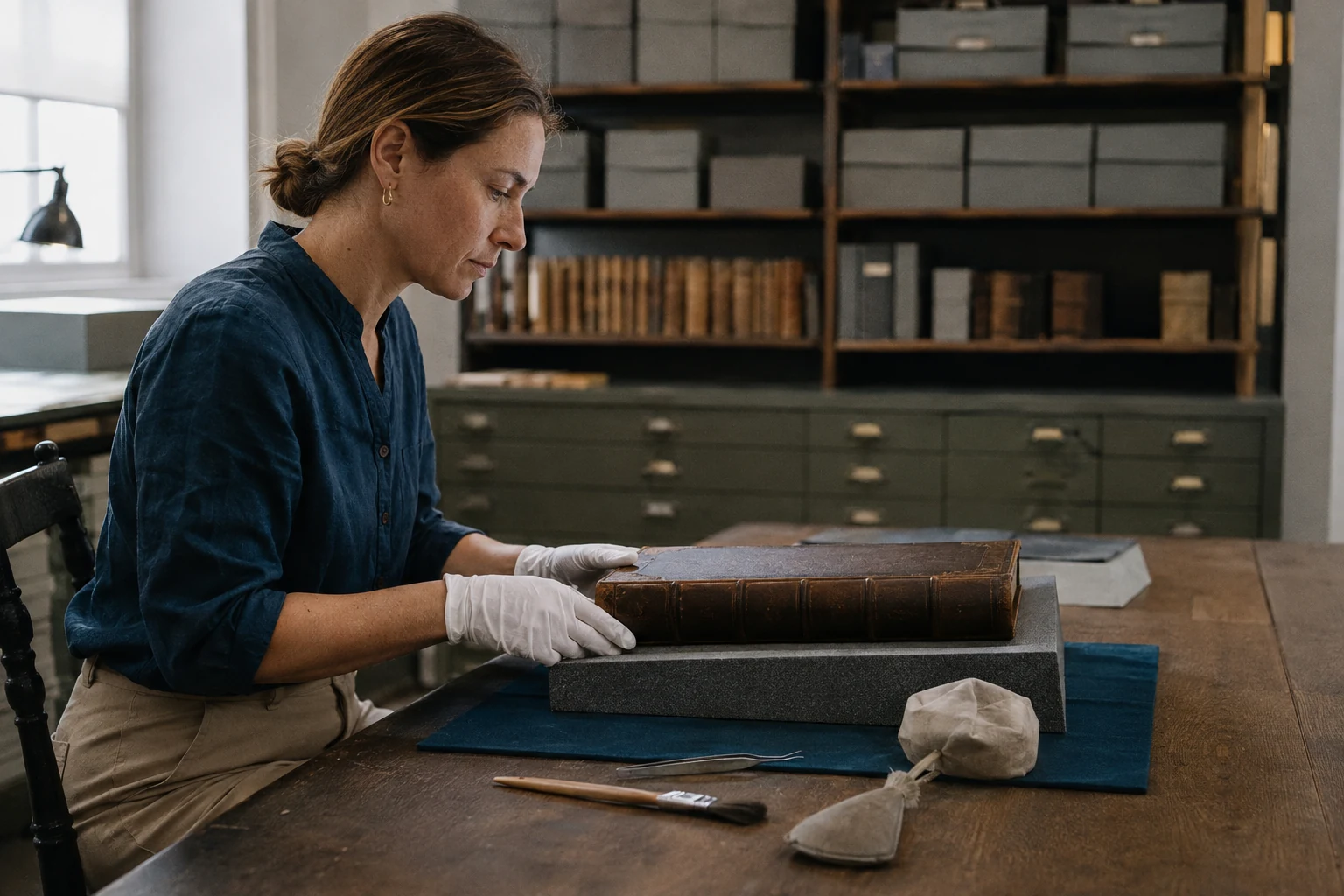
Explore and study
Shelved records and a prepared reading table emphasize the care required to preserve evidence and study it in context.
Elder Corbridge closes with Doctrine and Covenants 6:36. The surrounding revelation to Oliver Cowdery adds a compassionate pattern for seeking and standing.
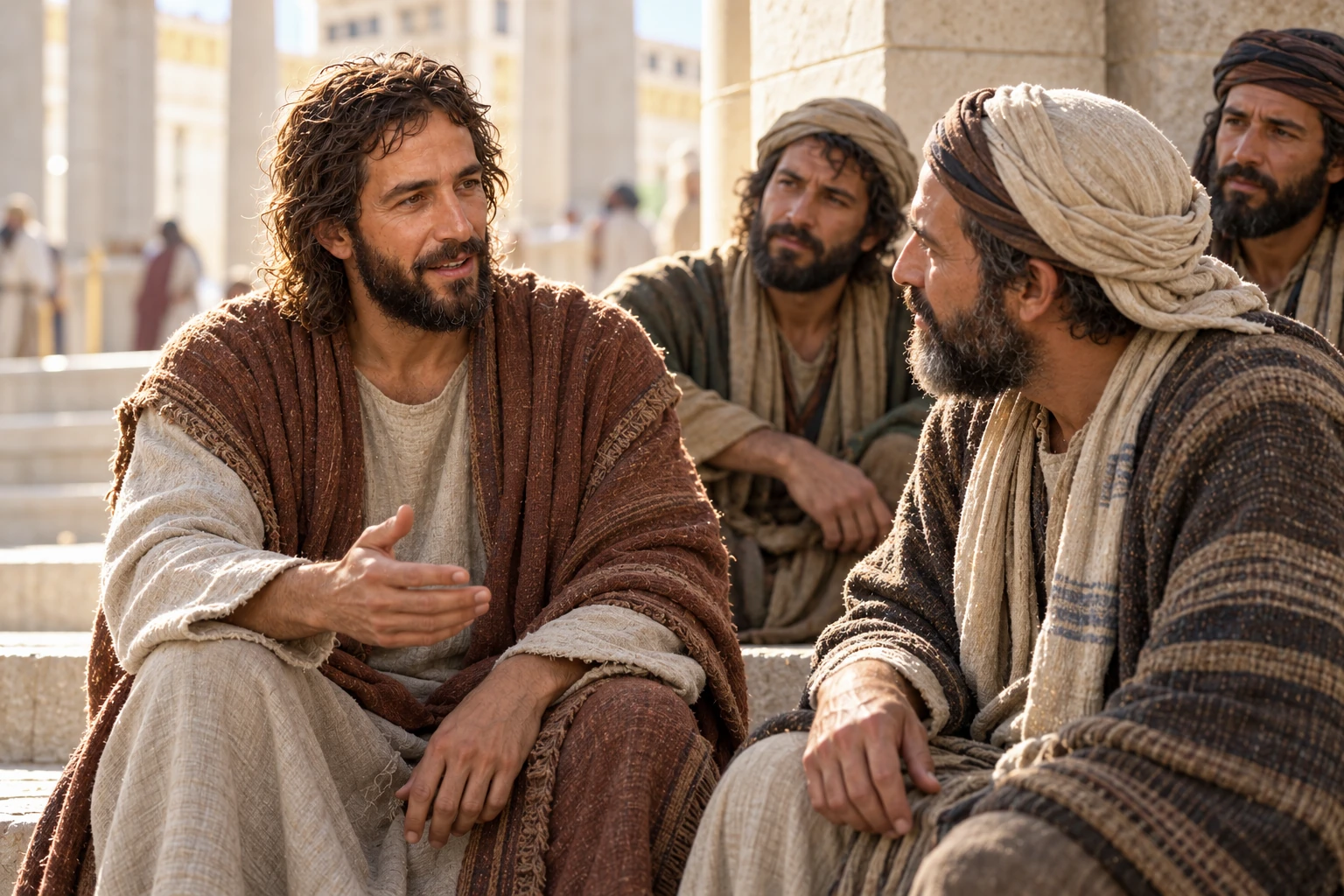
Explore and study
Jesus listens and teaches as questions arise in the temple. He invites His hearers to do the Father's will and come to know where His teaching comes from. Faithful action belongs beside patient study.
Verses 22–23 invite Oliver to remember the peace that came when he sought a witness. Spiritual memory can be evidence without ending every later question.
Verses 33–34 join faithful action with reassurance. A seeker can continue doing good while understanding develops.
Verses 36–37 direct every thought toward Christ and answer fear with His presence, sacrifice, and promise of a place with Him.
These passages are used in the address or closely support its pattern of asking, studying, receiving light, and standing on revelation. Open one passage at a time and record what it contributes to the question you are studying.
Continue the study with three apostolic messages that make room for honest questions while inviting deliberate faith and forward movement in Jesus Christ.
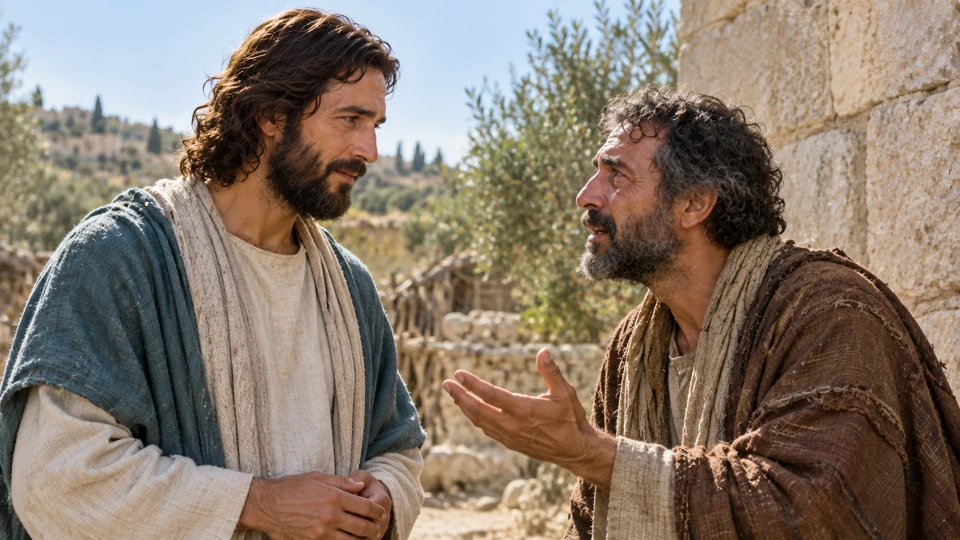
General conference
Elder Jeffrey R. Holland invites disciples to acknowledge questions honestly while beginning with the faith they already have.
The original artwork interprets the father’s appeal in Mark 9:22–24, the account with which Elder Holland begins.
Official Church talk; original focusChrist artwork
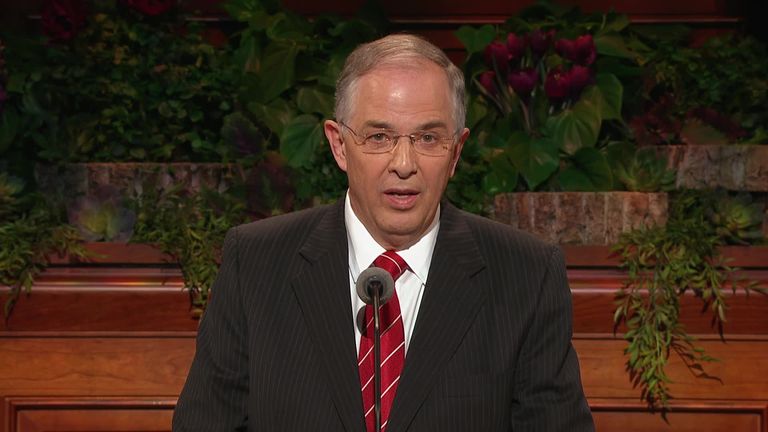
General conference
Elder Neil L. Andersen teaches that honest questions matter and that faith grows through deliberate choices, sincere study, and seeking answers from God.
General conference
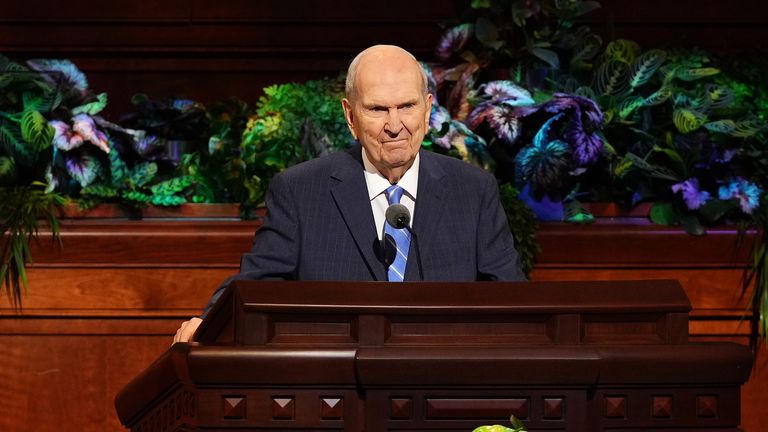
President Russell M. Nelson offers five actions for building spiritual momentum and moving forward through uncertainty and opposition.
Which primary question most shapes the way I understand the others? Am I asking a secondary question to decide more than its evidence can establish? Which method of learning have I used well, and which have I neglected? What do I know from experience, evidence, study, or the Holy Ghost? What can remain honestly unresolved while I continue looking to Christ?
Explore and study
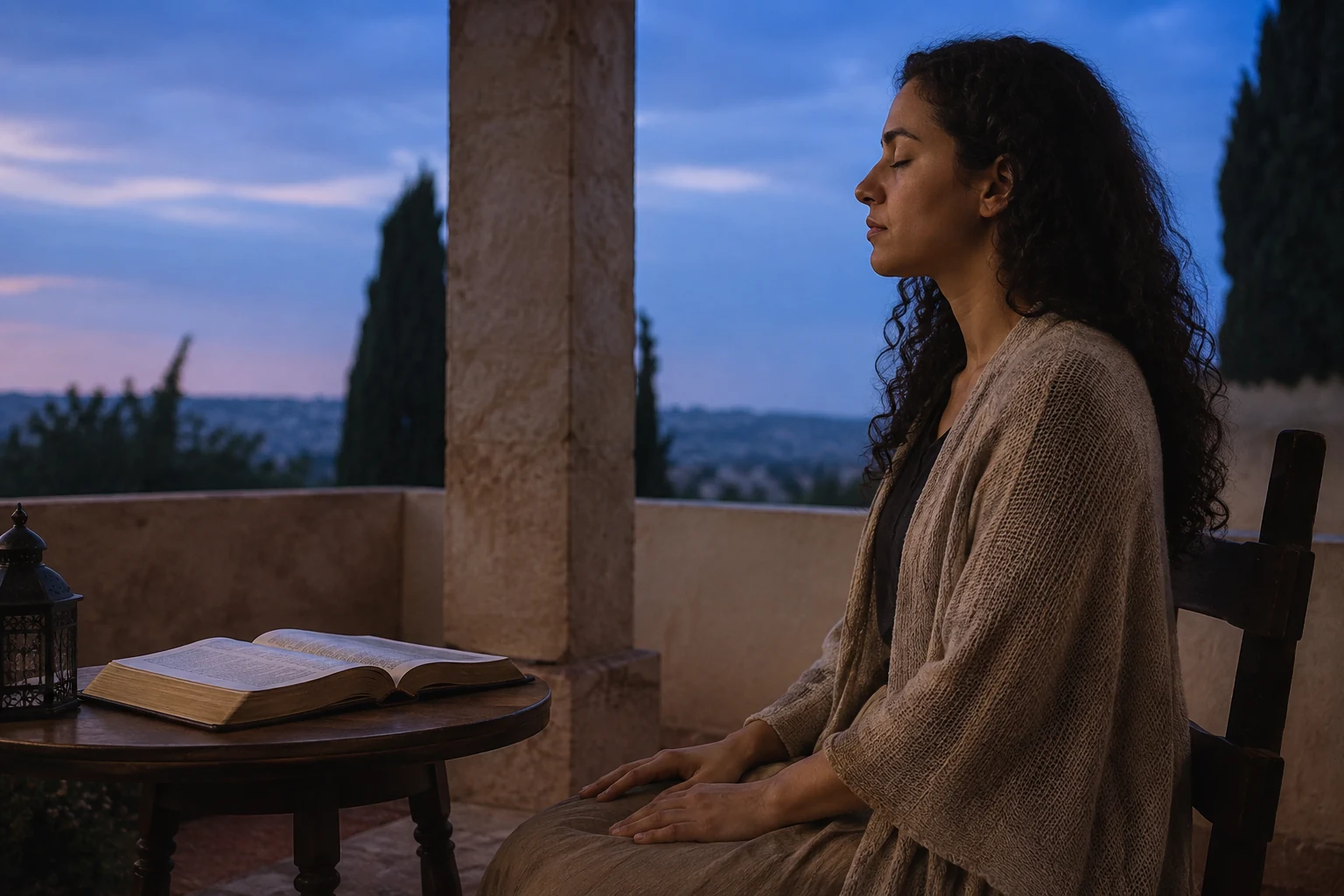
A woman pauses in prayer beside an open book, bringing both faith and an honest question before God. Moroni's invitation centers that search on sincerity, real intent and faith in Christ.
Which question needs clearer wording? What do I know from a source, what am I inferring, and what still needs patient study?
This guide draws from the BYU address and the scripture passages linked above. The inquiry practice is a focusChrist study aid.
Continue from foundations to daily commitment. Explore Elder Andersen’s Settle This in Your Hearts message through scripture, remembered faith, and service.
Explore and study
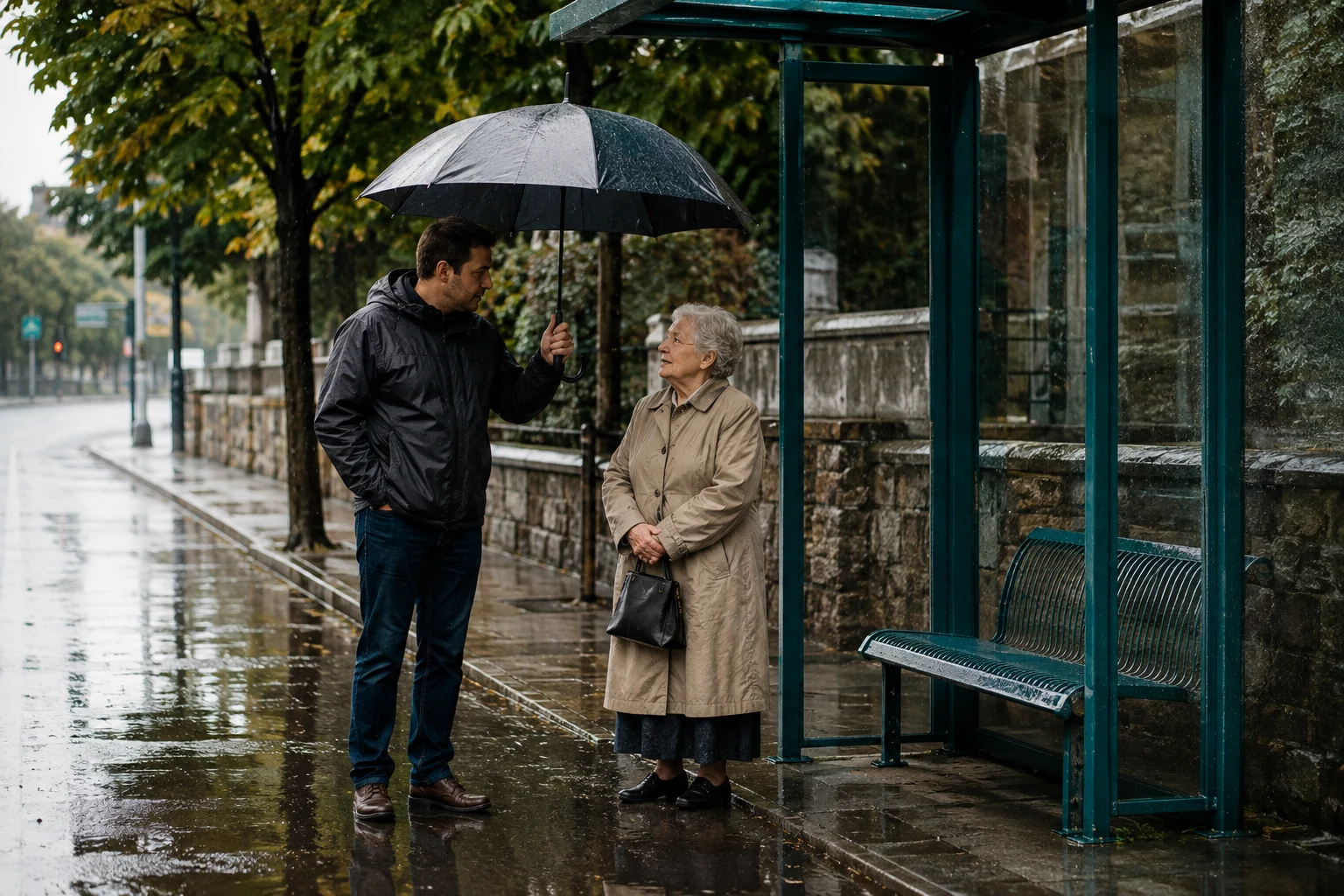
A man holds an umbrella over an older neighbor as rain falls around them. It is a small kindness, freely given, and a gentle answer to the Lord's invitation to do good without fear.