
Begin an honest conversation
An honest conversation can begin with patient listening. Explore this present-day reflection on making peace.
Read “Begin an honest conversation” in Jesus Christ →Covenant, Love, and Eternal Hope
What Is Eternal Marriage?
A temple sealing points husband and wife toward Jesus Christ and asks them to build an equal, faithful partnership with Him at the center.
ContinueLatter-day Saints believe a husband and wife may be sealed in a temple by priesthood authority so their marriage can continue after death. The ceremony is sacred, but eternal marriage is more than a single day: it is a covenant life of faith in Jesus Christ, repentance, loyalty, service, and love.
Christ at the center
Jesus taught that God intends marriage to be a union, not a contest for power. Latter-day Saint teaching adds that the sealing authority Christ described can bind on earth and in heaven. In the temple, spouses covenant with God and with one another. Those promises are made possible through Jesus Christ and become a daily invitation to follow His way.
Eternal does not mean that an unhealthy pattern should simply last forever. A Christ-centered marriage grows through agency, humility, equal counsel, forgiveness, fidelity, tenderness, and truth. Both spouses remain responsible for their own choices, and God’s judgment is perfectly just and merciful.
An honest conversation can begin with patient listening. Explore this present-day reflection on making peace.
Read “Begin an honest conversation” in Jesus Christ →Marriage through time
These scenes move from Eden to the present, showing couples and families learning covenant love across different eras and circumstances. In every scene, Jesus Christ is the Savior and Teacher who calls His disciples to covenant love, equal partnership, fidelity, and mercy.

01 · Eden
Latter-day Saints read Adam and Eve’s union as marriage established by God. Their story begins with companionship, cleaving to one another, and becoming one while each remains a moral agent.
Read Moses 3:18–24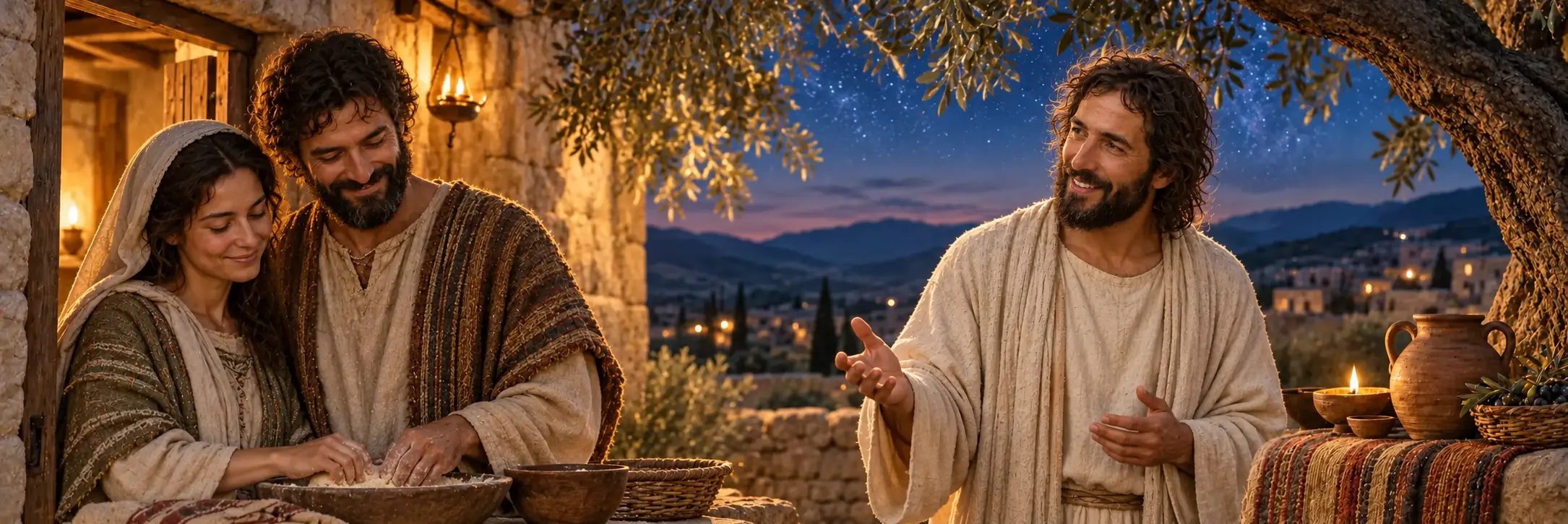
02 · Ancient home
A lasting marriage is shaped in daily choices: loyalty, honest work, hospitality, patience, and care. Sacred promises are lived at home.
Read Ecclesiastes 4:9–12
03 · The Savior’s world
Jesus pointed marriage back to God’s intention that husband and wife become one. His gospel also rejects control and invites both disciples to lead through service, truth, repentance, and love.
Read Matthew 19:4–6
04 · Restoration
Latter-day Saints believe Elijah restored sealing keys in the Kirtland Temple. That authority joins family hope to Jesus Christ’s power over death and asks covenant keepers to live faithfully now.
Read Doctrine and Covenants 110:13–16
05 · Dignity and belonging
A temple sealing is sacred in Latter-day Saint belief, but it is not a measure of human worth. People who are civilly married, single, divorced, widowed, in an interfaith family, or not yet sealed deserve full dignity, welcome, and Christlike care.
Study belonging in the Church
06 · Today and onward
Temple sealing begins a life of discipleship. Husband and wife walk side by side as equal partners, relying on the Savior’s grace and choosing again and again to counsel, repent, forgive, protect, and serve.
Study equal partnership with Elder SoaresA scripture path
Read one passage at a time. Ask what it teaches about God, covenant, agency, and the way two disciples should treat each other.
Bring your own questions to the Savior’s words. Explore a study of reading scripture together.
A context note: Doctrine and Covenants 132 addresses more than marriage and includes historical questions about plural marriage. Read verse 19 in its full section and use the official sources below rather than making it carry every question by itself.
Four voices, four study questions
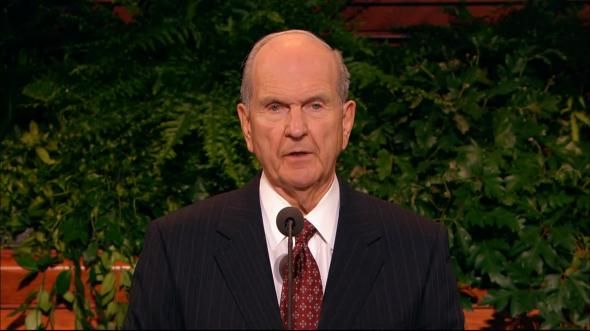
Conference talk · October 2008
President Russell M. Nelson explains temple marriage, individual discipleship, and covenant faithfulness. Ask: What makes Christ a partner in an eternal marriage?
Russell M. Nelson
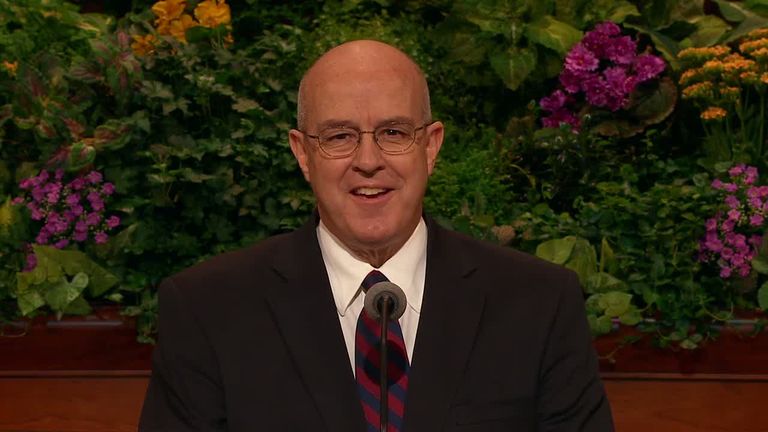
Conference talk · April 2013
Elder L. Whitney Clayton describes commitment, faith, repentance, humility, respect, loyalty, and love. Ask: Which quiet habit would bring more light into a relationship?
L. Whitney Clayton
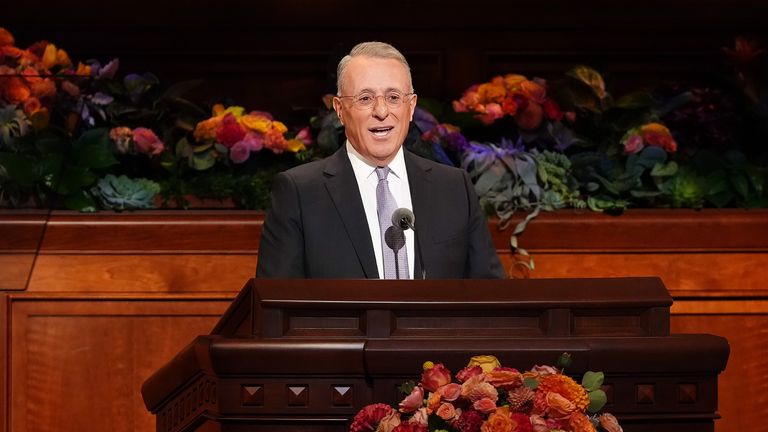
Conference talk · October 2022
Elder Ulisses Soares teaches full and equal partnership, walking side by side with Christ. Ask: Where could counsel replace control?
Ulisses Soares
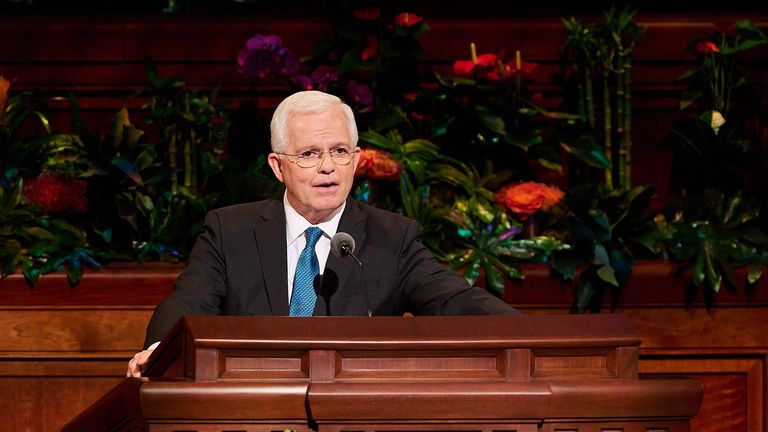
Conference talk · April 2024
Elder Matthew L. Carpenter carefully distinguishes the covenant with God, the bond between spouses, personal faithfulness, and agency. Ask: What hope does God’s perfect justice offer?
Matthew L. Carpenter
Newest conference study: Eternal Marriage Is an Eternal Journey, Elder Neil L. Andersen, April 2026

Explore and study
Shared decisions give each person room to speak and be heard. Gentleness, patience and sincere love can guide an ordinary conversation at home.
Questions people carry
No. The sealing ordinance opens eternal promises, but scripture connects those promises with covenant faithfulness and ratification by the Holy Spirit of Promise. A ceremony should not be treated as a guarantee that makes choices or agency irrelevant.
A civil marriage establishes a legal union. A temple sealing is a priesthood ordinance in which husband and wife make sacred covenants with God and each other, with promises that can extend beyond death. Legal requirements still matter, and local practice varies.
Each person retains agency and answers to God for individual choices. A faithful person is not mechanically stripped of every promised blessing by another person’s decisions. God will not force an unwilling or unworthy relationship to continue eternally, and individual outcomes belong to His perfect judgment.

One person listens while another shares a concern. Explore persuasion, gentleness and respect for another person’s agency.
Doctrine and Covenants 121:41–44
Read “Listening with patience” in Jesus Christ in the Restoration and Today →They fully belong now. Church teaching promises every blessing of exaltation to faithful covenant keepers, but it is wise not to speculate about when, how, or with whom an individual promise will be fulfilled. Present marital status is not a spiritual ranking.
No. Covenant language never requires tolerating abuse. Forgiveness, legal decisions, personal safety, Church membership, and the future of a marriage are related but distinct questions. Seek immediate safety and qualified local help when harm or threats are present.
Pray and worship together when both are willing; listen without preparing a defense; repent for your own conduct; share decisions; keep confidences and promises; serve in small ways; and invite help early. Each spouse remains responsible for their own choices.

Explore and study
An empty chair is drawn into the circle, and the arriving woman is met with warm attention. Welcoming participation begins with noticing someone and inviting them to join the conversation.
A seven-day study pattern
What does the Savior invite me to become in my closest relationships? Record one impression and one loving, safe action you can take. If you are studying alone, the same pattern can strengthen your preparation, healing, family relationships, and covenant discipleship.

Explore and study
Love takes shape in ordinary work shared willingly. Bearing one another’s burdens can begin with noticing a task and taking part.
Continue from eternal marriage into divine identity, care, parenting, and family hope.
Find support for grief, changing relationships, and the questions that can follow divorce.
Explore the spirit world, universal resurrection through Christ, judgment, and eternal life.