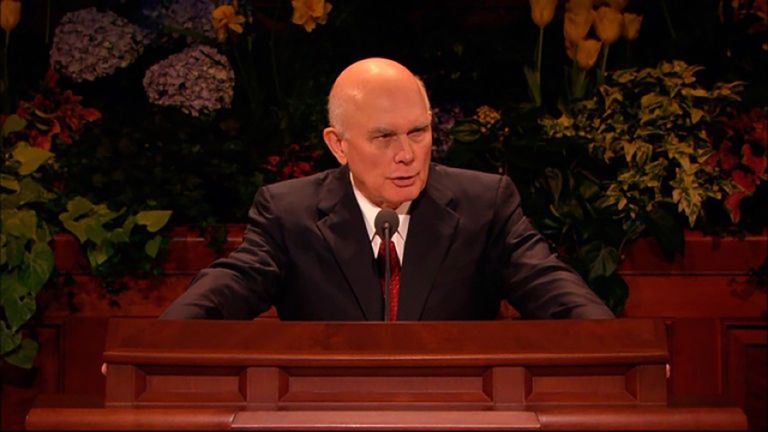
General conference video and text
Divorce
The Church of Jesus Christ of Latter-day Saints · April 2007
Divorce can unsettle your sense of home, belonging, and the future you expected. You can bring that pain to Jesus Christ. A marriage ending does not, by itself, tell anyone the story of your faith, your effort, or the choices another person made.
Watch and study
This conference message addresses divorce directly. You can read the transcript, watch the video, or return when the subject feels less difficult.
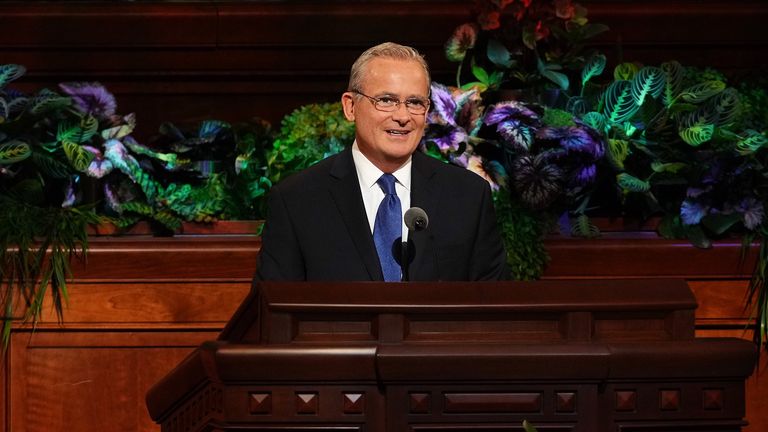
In his April 2007 address Divorce, Elder Dallin H. Oaks speaks to several audiences: people who have divorced, married couples considering divorce, and people contemplating marriage. Notice those changes of audience as you read. Advice addressed to one group should not become a judgment on every person's circumstances.
General conference video and text
The Church of Jesus Christ of Latter-day Saints · April 2007

Explore and study
Jesus calls His disciples close and speaks about a widow's small offering. He sees a gift that could easily pass unnoticed.
In section II, he recognizes people who have experienced betrayal, abandonment, or abuse and points them and their children toward the healing and hope of Christ's Atonement. Later, he acknowledges that attempts to help a spouse do not always bring change and that we cannot control or take responsibility for another person's choices.
Read this historical conference address alongside the Church's Divorce resource, which recommends trusted leaders and professionals and says no one should feel a need to remain in an abusive relationship. As you study, consider which audience a passage addresses and what support your own circumstances require.
Explore and study
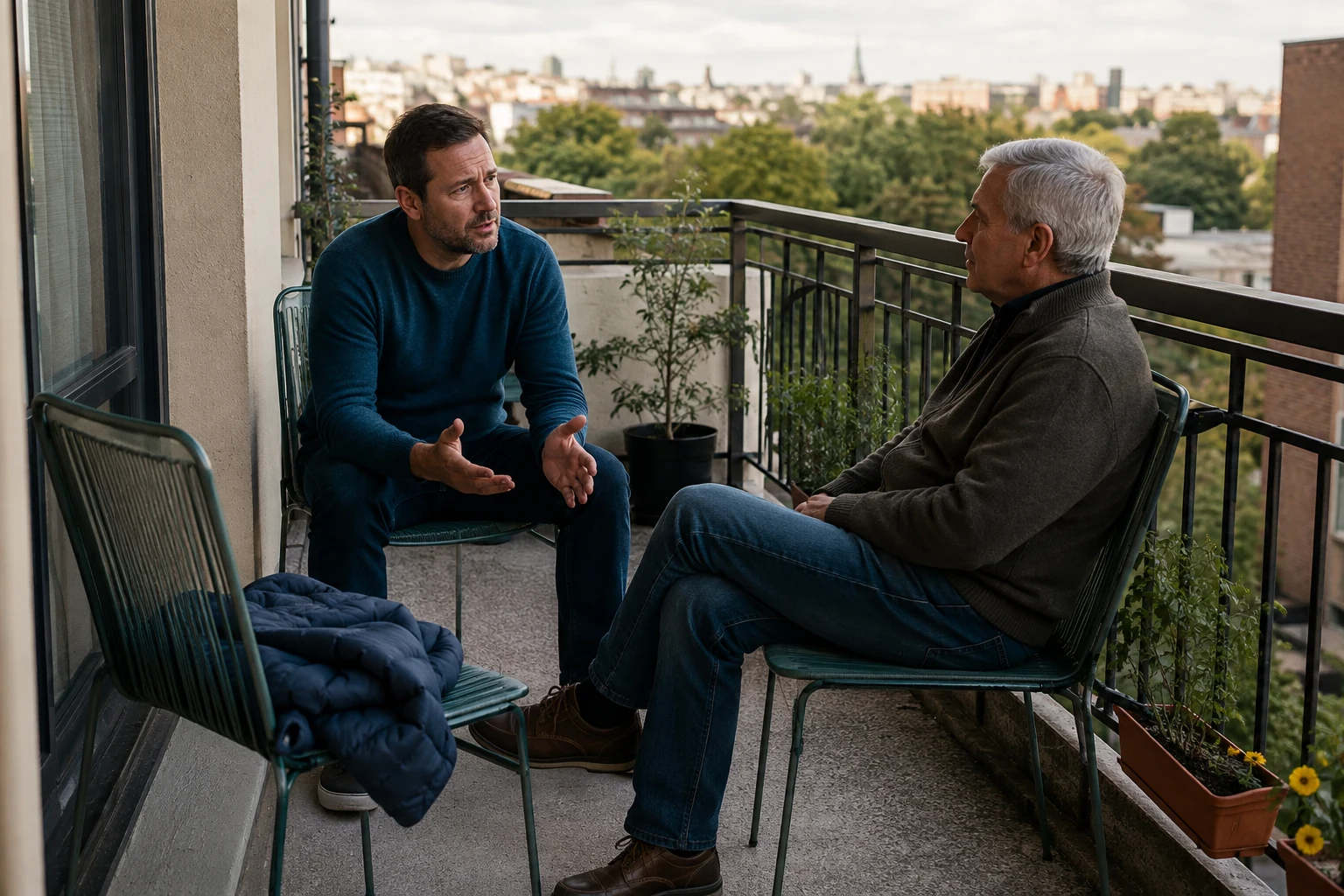
Two friends sit together on a quiet balcony. The friend's attentive posture suggests the compassion and steady companionship that can help someone feel less alone during a difficult season.
The Church's Life Help resource on divorce recognizes that circumstances vary and there is no simple answer for every marriage. It upholds marriage covenants while encouraging careful, prayerful decisions and counsel from trusted leaders and professionals. It also makes clear that a person does not need to remain in an abusive relationship. Read Divorce in Life Help.
Explore and study
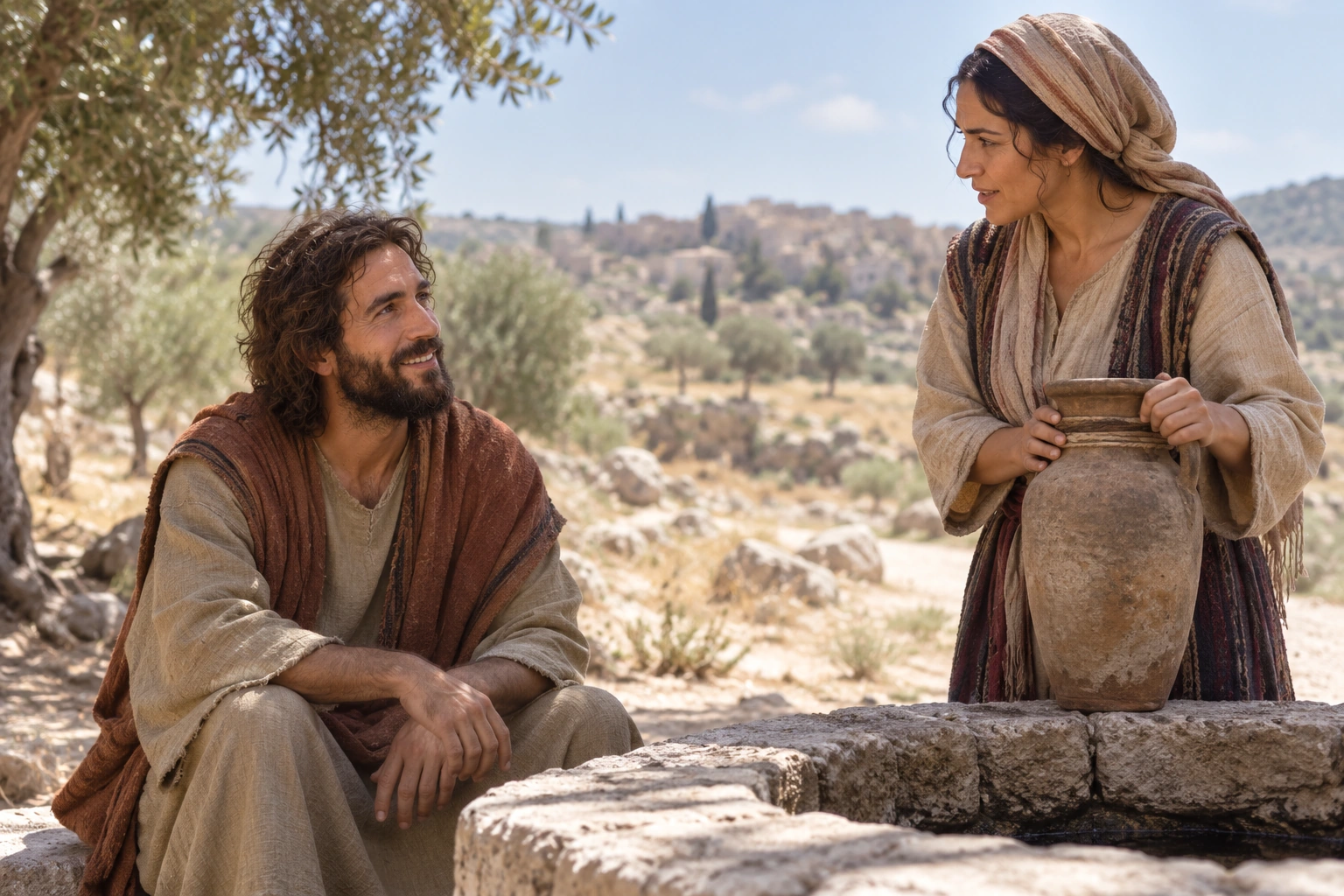
Jesus asks a Samaritan woman for a drink and listens to her questions. Their conversation opens toward the living water He offers.
Decisions about staying, separating, or divorcing deserve time and support that take your circumstances seriously. You do not have to prove your faith by accepting harm, and your effort alone cannot determine another person's choices.
Alma 7:11-13 teaches that the Savior took upon Himself human pain and infirmity so He would know how to help His people. His compassion is a reason to seek Him with your real feelings, including disappointment, uncertainty, and exhaustion. You do not need a polished explanation before you pray. Study Alma 7:11-13.
Explore and study
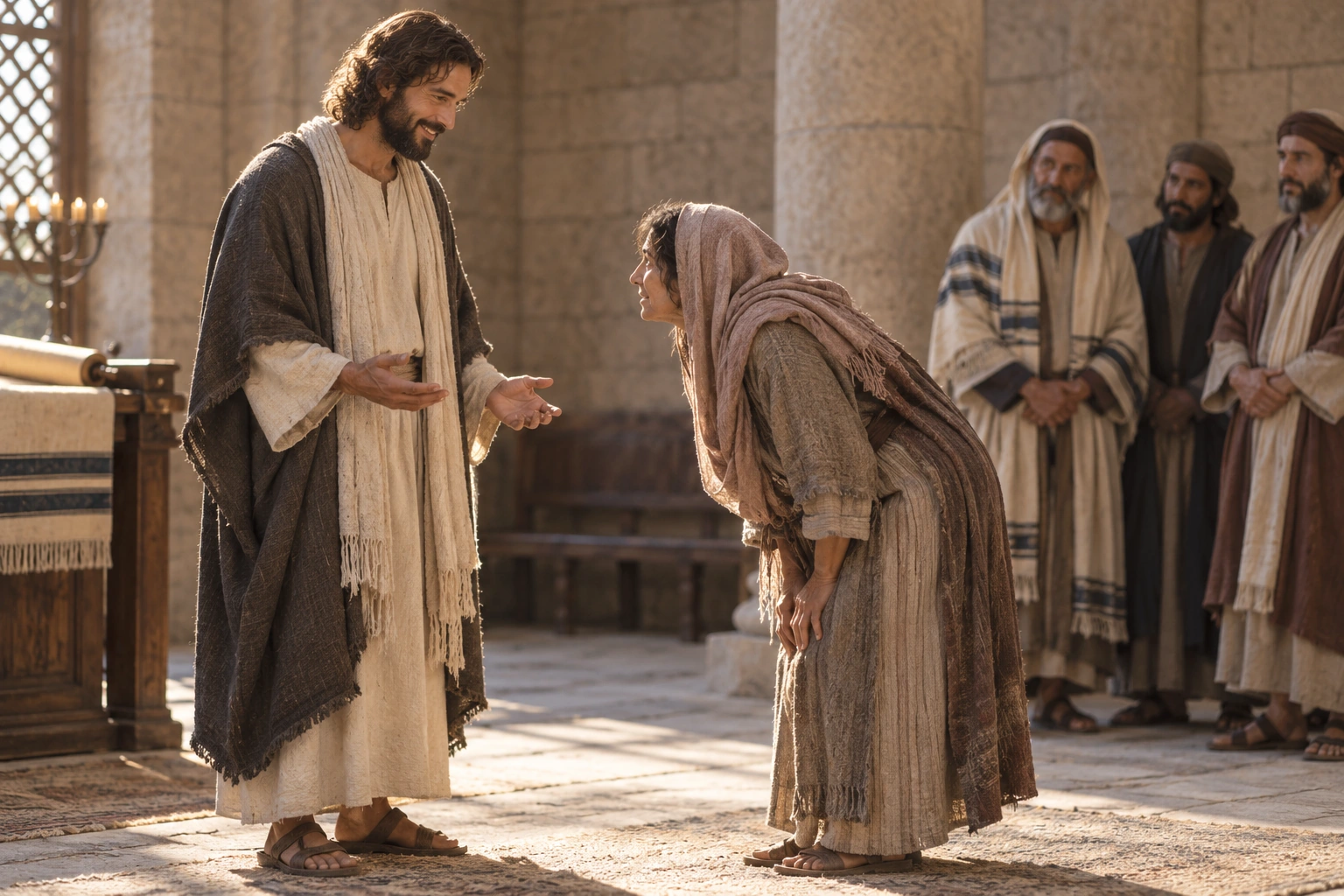
Jesus sees a woman who has lived for years with infirmity and calls her to Him. He speaks to her with care before healing her.
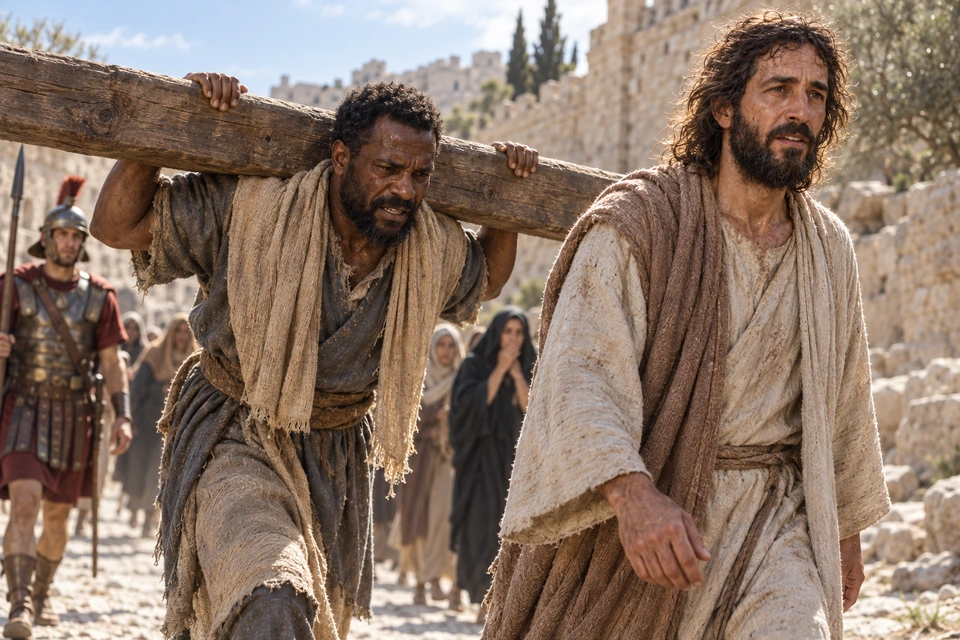
Simon carries the cross behind Jesus. Continue with the scriptural account of the Savior’s suffering.
Read “Bearing the cross behind Jesus” in The Redeemer and Risen Lord →A small beginning might be a brief prayer, one passage of scripture, or asking a trusted person to sit with you. Choose what you have room for today. A difficult day afterward does not make that effort meaningless.
The Church's teaching on abuse calls for protecting victims and taking reports seriously. It states that victims are not responsible for another person's abusive behavior and recognizes the need for help from professionals and civil authorities. Seeking safety is consistent with these teachings. Read the Church's guidance on abuse.
If there is immediate danger, seek emergency help. For ongoing abuse, a qualified local support service can help you consider safety and practical needs. Spiritual counsel can accompany professional help; it does not replace it. Questions about legal rights, finances, or parenting arrangements need advice suited to your location and circumstances.

A resident explains what would help while others listen. Let the person receiving care help shape the response.
Read “Listening before offering help” in Jesus Christ in the Restoration and Today →The Church's divorce resource specifically teaches that children should understand that their parents' decision is neither their fault nor their responsibility. A child should not have to repair an adult relationship. Read the guidance for families.
Consider what reassurance your children need to hear again and which trusted adults can help you care for them. When family circumstances are complicated, seek qualified support rather than expecting a child to carry your worries.

Explore and study
A mother pauses at the kitchen table to listen to her daughter, their hands resting together. During family changes, moments of steady attention can help a child feel heard and remind her that her questions and feelings matter.
In an Ensign account, Brian Duncan describes the loneliness and practical demands he faced after divorce, and the difference made by people who offered friendship, help with his children, and a place to talk. His account may offer ideas for friends and congregations who want to help and are unsure where to begin. Read Ministering to Members Who Are Divorced.
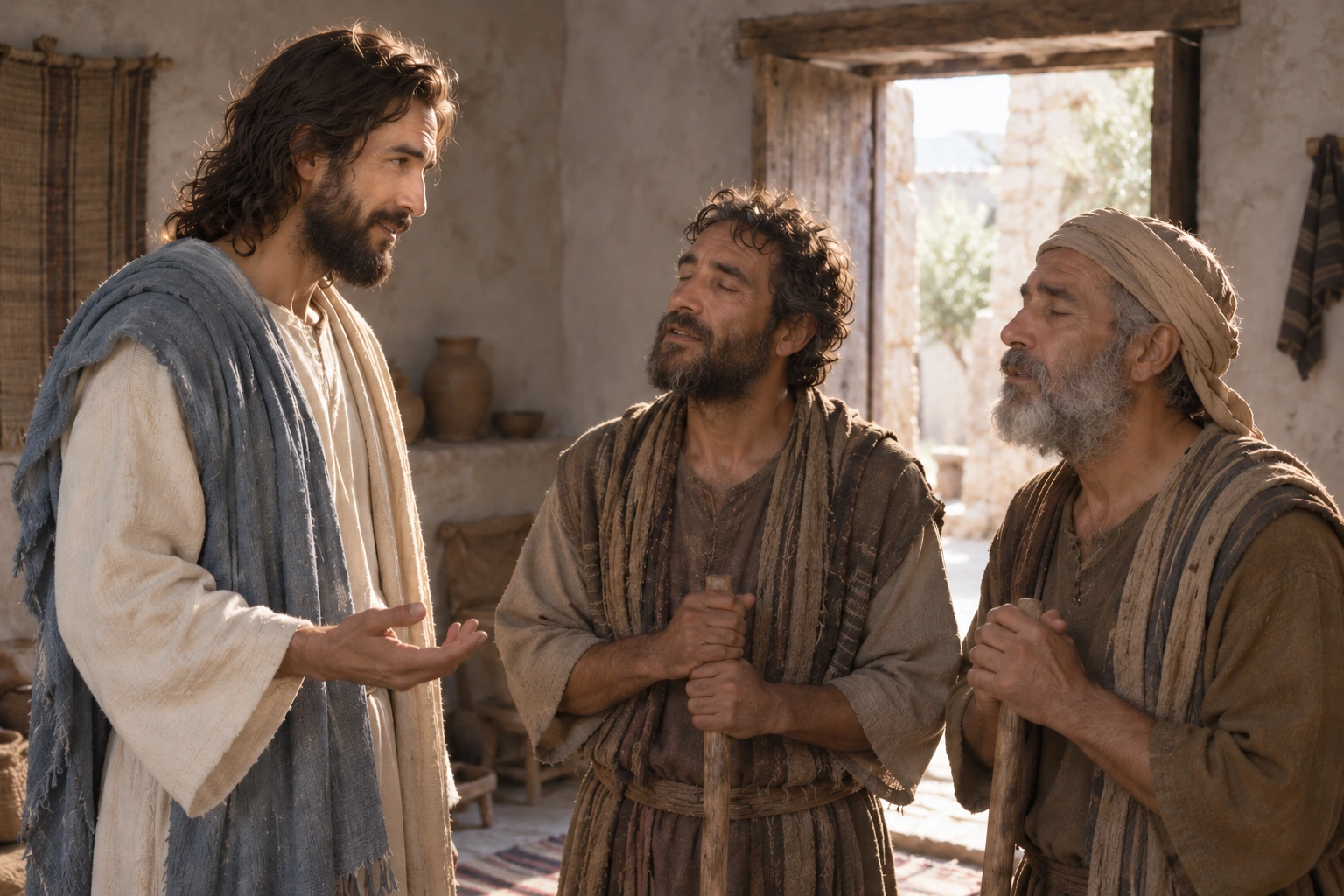
Explore and study
Two blind men follow Jesus into a house. He listens and asks whether they believe He can help them.
For someone offering support, Mosiah 18:8-9 directs disciples toward sharing burdens and comforting people who mourn. Ask what would help, respect privacy, and keep extending friendship without demanding details. Practical kindness can make belonging tangible. Study Mosiah 18:8-9.
You do not have to resolve every question about your future at once. Consider one need you can name and one trustworthy person or resource you can approach. Your next step may be spiritual, practical, or both.
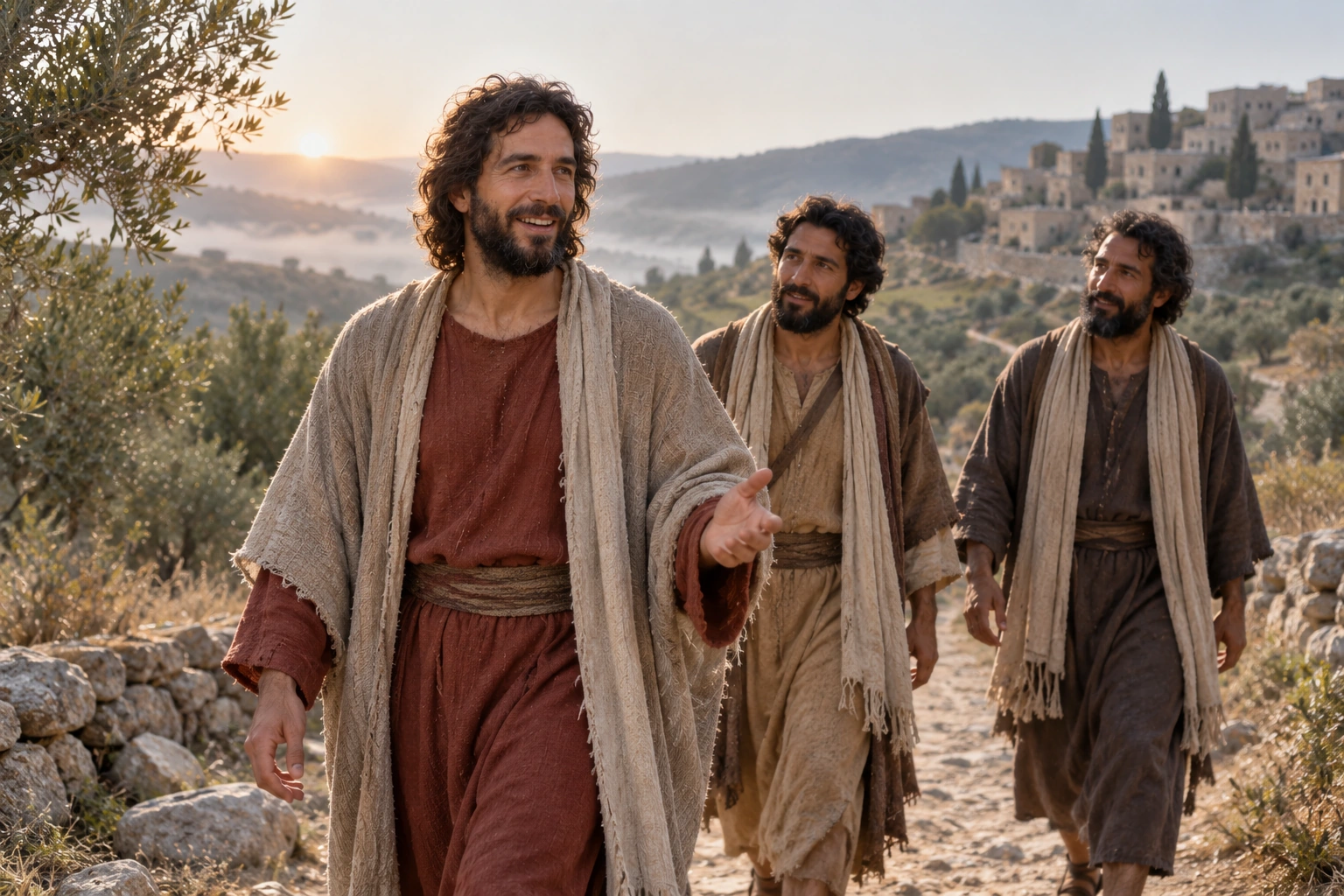
Explore and study
Jesus tells His companions that they will go on to the neighboring towns. His ministry carries hope beyond the place where they have just been.
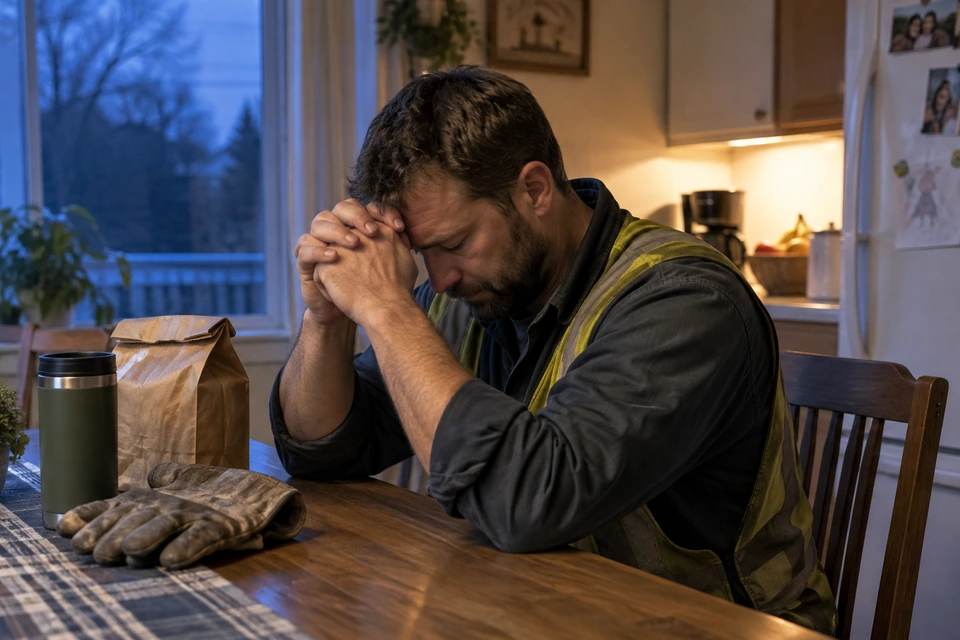
A man pauses to pray before the day begins. Continue with an invitation to bring our concerns to the Father.
Read “Turn to God before the day begins” in Jesus Christ →Name what feels hardest today. What would you ask if you did not feel you had to sound strong?
Consider safety, companionship, caring for children, or an appointment with a qualified professional. Which need can you ask someone to help with this week?
Ask what the person wants shared and what should remain private. An invitation to dinner, help with an errand, or steady friendship may be more useful than questions about why the marriage ended. Keep including the person without expecting them to explain their circumstances each time.
Explore and study
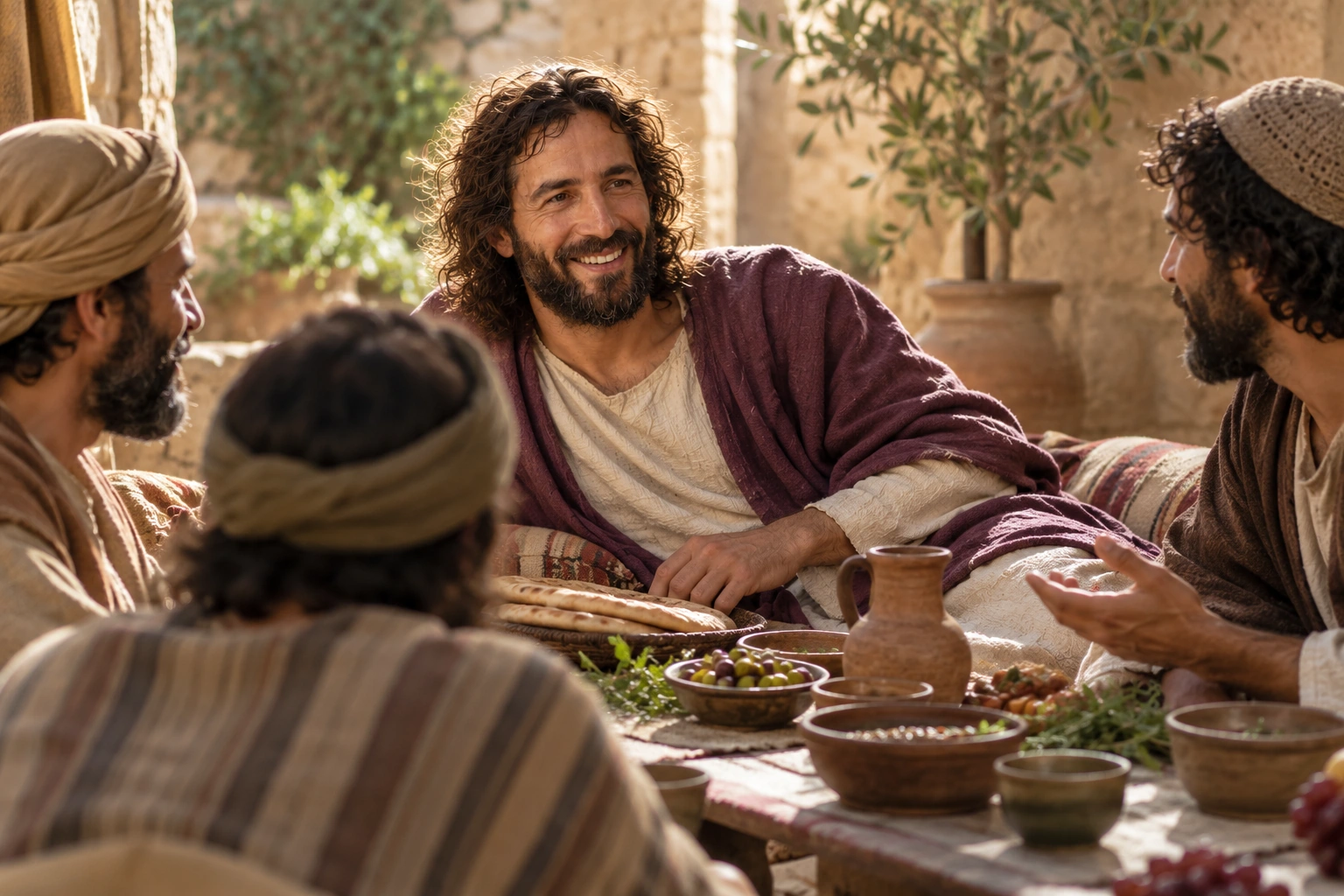
Jesus shares a meal with people whom others have kept at a distance. He answers the criticism with a call to healing and repentance.

Practical help gives care a place in ordinary life. Continue with the invitation to serve a neighbor.
Read “Give practical help” in Jesus Christ →Mosiah 18:8-10 describes bearing burdens and offering comfort. Applied here, that can mean listening without taking over decisions, respecting boundaries, and following through on the help you offer. Avoid using an invitation to forgive as pressure to resume an unsafe relationship.

Explore and study
A new room can hold both memories and beginnings.
A woman holds a framed photograph while Christ steadies a shelf beside the moving boxes. Tools lie ready on a carton. The room is still taking shape, with familiar things waiting to find their place.
Bearing one another's burdens can mean helping someone settle into a new home. Carrying a box or assembling a shelf can give people time to talk, if they want to. Memories can find a place alongside new routines. In time, friendship, family and healthy love freely chosen can all bring happiness to a new chapter.
What useful task could you offer without taking over?
You can reflect honestly on your own choices without taking responsibility for another person's abuse, dishonesty, or decisions. A study page cannot judge the history of a marriage. Use the Church's divorce and abuse resources above alongside qualified help that understands your situation.

Explore and study
The man asks to stay with Jesus, and Jesus sends him home to tell how the Lord has shown him compassion. A restored life can become a gift to others.

Explore and study
A companion matches the pace of a friend who uses a cane. Walking side by side offers a gentle picture of patience, care and shared burdens.
Romans 12:18 speaks of living peaceably as far as it depends on you. Read it with the surrounding counsel about sincere care. As an application, consider respectful communication and boundaries that protect safety. The verse does not require one person to make another person cooperate, nor does it replace legal or professional guidance.
The Life Help resource linked above discusses the needs of children. Consider asking a qualified family professional how to respond to questions in an age-appropriate way. A child should not have to become a messenger, investigator, or source of emotional support for an adult. When safety or custody is involved, seek guidance suited to the actual circumstances.
Think of one small source of steadiness: a regular meal with someone you trust, a moment to pray, a walk, or getting help with an unfinished task. These are suggestions to consider, not a checklist for recovery or a promise that grief will disappear.
Watch and study
Explore and study
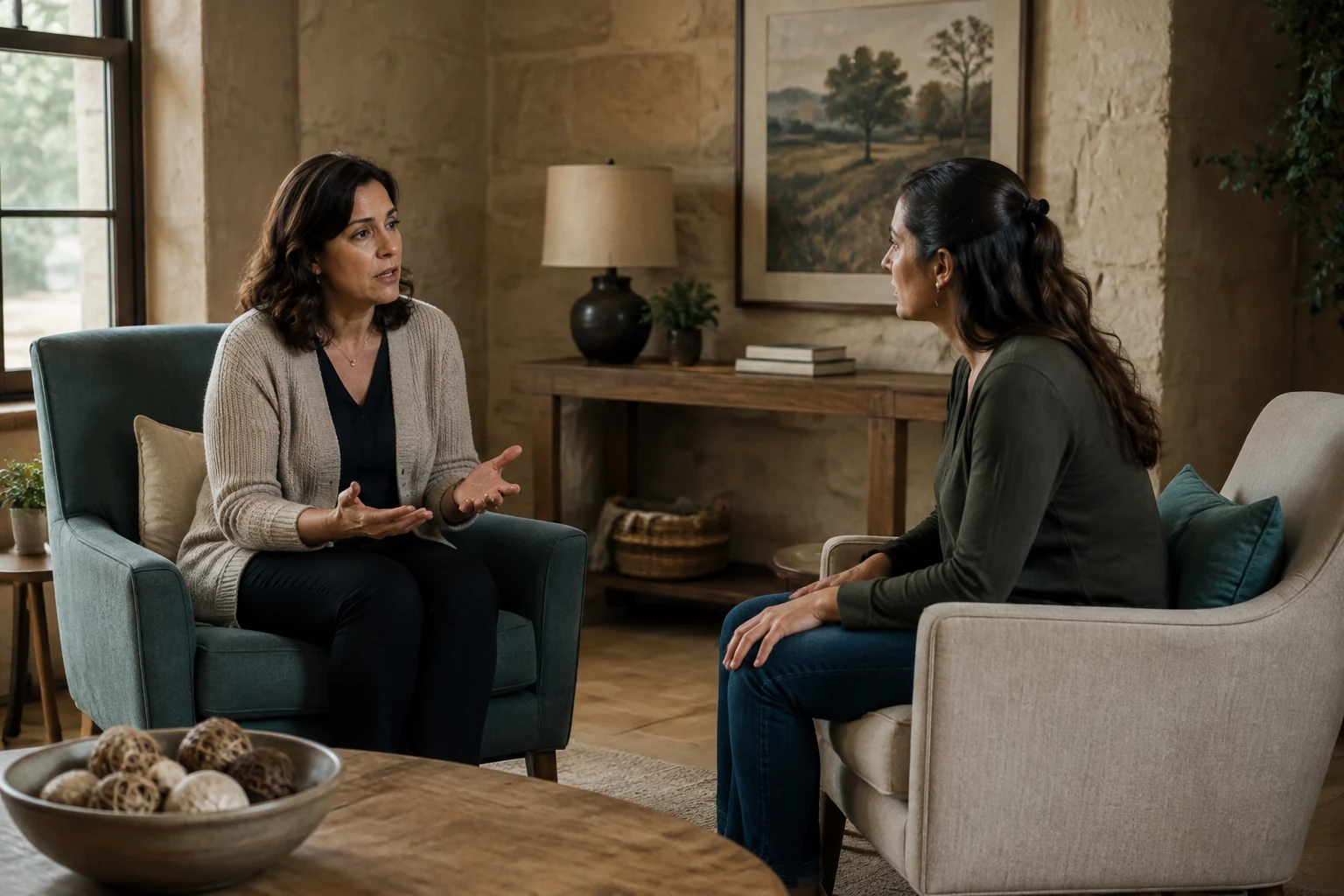
Two women sit facing one another in a quiet conversation. Their attentive posture offers a picture of the care it takes to listen before offering answers.

Explore and study
A woman finds a quiet place to read while life around her still feels unsettled. Returning to Christ's words can bring a little steadiness to a morning that asks her to begin again.
In He Is Risen with Healing in His Wings: We Can Be More Than Conquerors, Elder Patrick Kearon speaks directly to people harmed by abuse, neglect, and domestic violence. He teaches that victims are not responsible for another person's abuse and that what happened does not reduce their worth or God's love for them. He recognizes that the effects can persist for years and can make seeking help difficult.
General conference video and text
The Church of Jesus Christ of Latter-day Saints · April 2022
This message is particularly relevant if abuse is part of your story. It does not assume that every divorce involves abuse. You may read or watch at your own pace, with a trusted person if that would help.
Read that teaching alongside the Church guidance on abuse, which calls for protecting victims, taking reports seriously, and helping people obtain appropriate professional care. A desire to follow Christ can coexist with a decision to maintain distance and seek protection.
You might consider three separate questions: What pain do I want to bring to Christ? What boundaries or practical needs require attention? Who is qualified to help me with those needs? You do not need to answer all three today. This reflection does not decide whether you should reconcile, separate, or take any particular legal step.
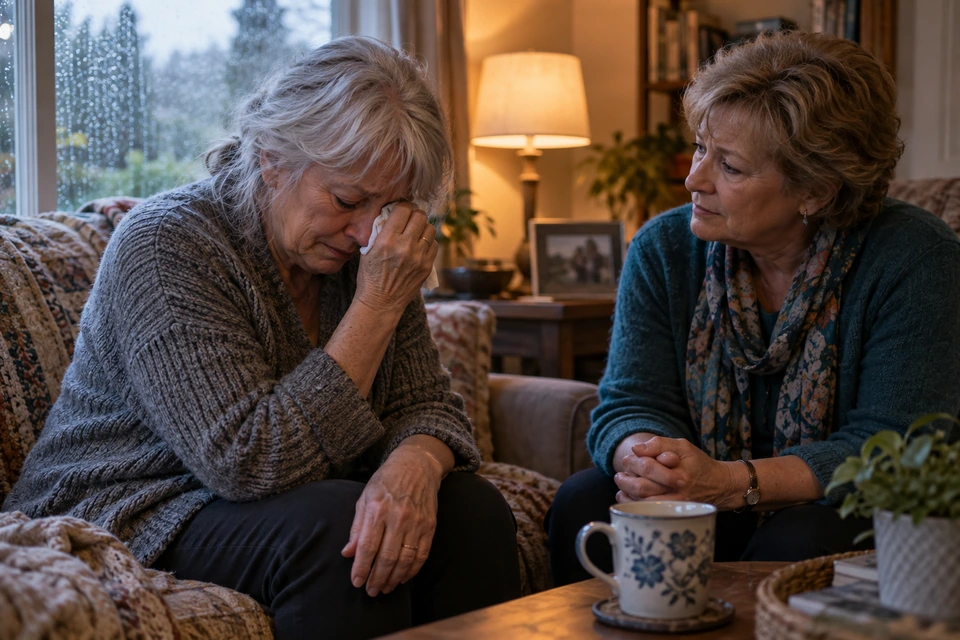
A quiet companion stays beside someone who is grieving. Consider the care we can offer without rushing sorrow.
Read “Stay beside someone who is grieving” in Jesus Christ →If you are supporting someone else, ask whether they want a resource before sending it. A message about forgiveness should never become a way to demand access, silence a report of harm, or set a recovery deadline.

Explore and study
Friends help arrange belongings in a new apartment after a difficult change. A box carried, a room made ready and a friend who stays can bring comfort when words are not enough.
Read about dignity and care across different family circumstances.
Explore responsible action and counsel while answers remain uncertain.