Read and discover
The Father introduces His Son
Joseph Smith’s published history describes his attempt to pray in the woods on a clear spring morning in 1820. In Joseph Smith—History 1:14–20, a struggle precedes the appearance of two Personages, and one introduces the other as His beloved Son. Joseph’s question about religious belonging becomes part of a much larger encounter with God.
Latter-day Saints receive this account as foundational testimony of the Father and the Son and of the opening of the Restoration. Joseph’s written witness allows us to follow the question he brought and the answer he understood himself to receive. Our own seeking may unfold very differently. Reading his account directly can encourage patient prayer and careful attention to the sources, while leaving each reader room to consider the testimony honestly.
Read and discover
Joseph and Sidney testify that He lives
Explore and study
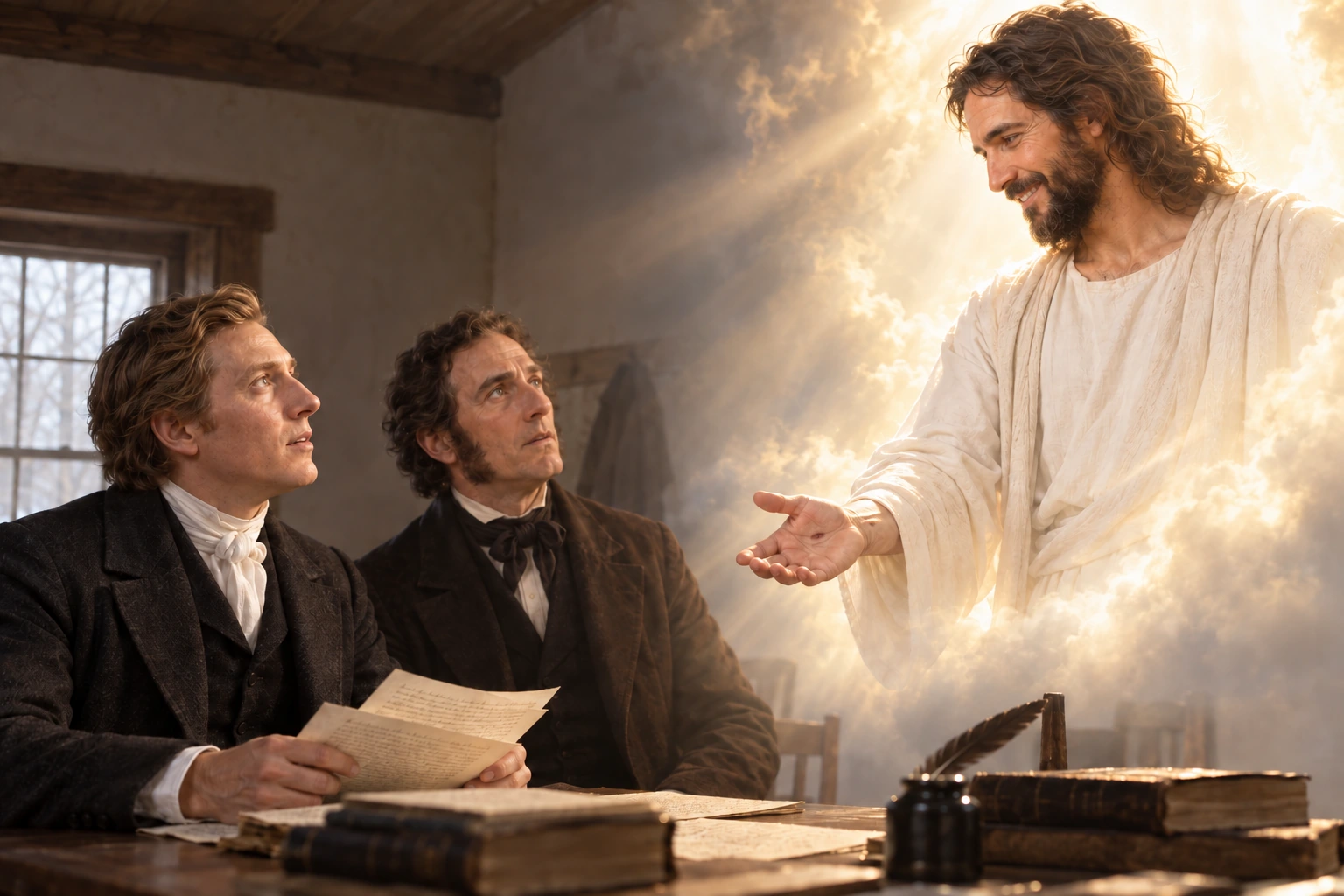
We saw Him
Joseph and Sidney look up from their work as the vision opens before them. Their testimony reaches beyond the room: they have seen the living Son of God.
While Joseph Smith and Sidney Rigdon meditate on scripture, the vision recorded in Doctrine and Covenants 76:19–24 opens their understanding. They testify of seeing the Son at the Father’s right hand and hearing the witness of His divine identity. The testimony also connects Christ with the creation of worlds and the relationship of their inhabitants to God.
This is a joint witness, not a scene with Joseph alone. It contributes to the Restoration’s insistence that the risen Savior is living and active, while linking back to the scriptural witness of His creative work. The surrounding revelation explores a much larger vision of salvation. Beginning with these verses helps keep Christ Himself at the center of that study rather than treating the revelation only as a map of the life to come.
Read and discover
The Lord accepts His house
Explore and study
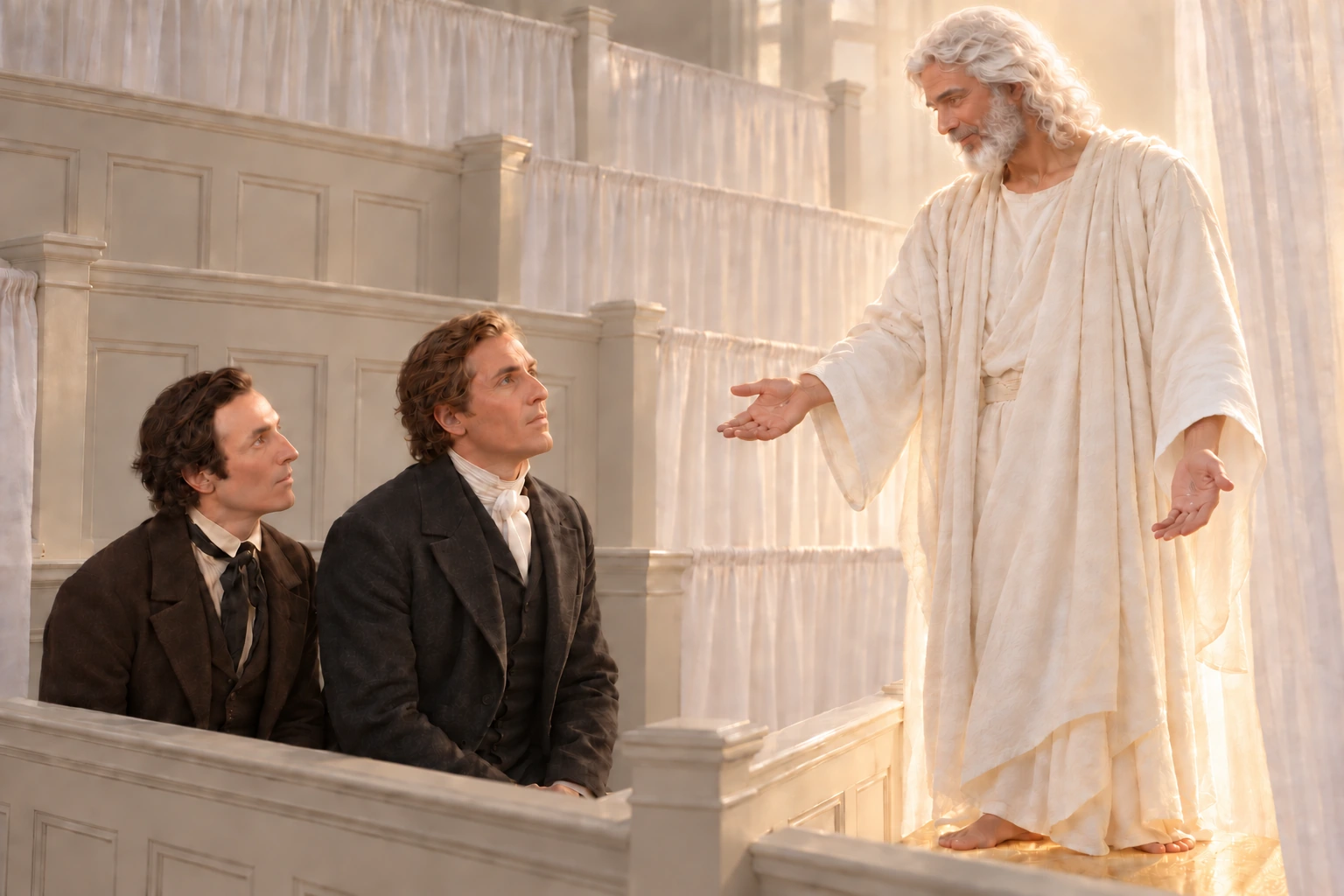
The Lord in His house
Joseph and Oliver lift their eyes toward the Savior in the temple. His words assure them that He has accepted the house built to His name.
On April 3, 1836, Joseph Smith and Oliver Cowdery pray in the Kirtland Temple after participating in the day’s worship. Doctrine and Covenants 110:1–10 records their vision of the Lord standing upon the pulpit breastwork. He identifies Himself as the living One who was slain, speaks of forgiveness and accepts the house built to His name.
The account connects divine glory with words of mercy and rejoicing. The Savior who appears with a radiant countenance speaks forgiveness and calls His people to lift their hearts. His acceptance of the temple leads toward the continuing covenant work described in the rest of the section. The building matters because of the One whose name it bears and the blessings He intends to extend through the work entrusted to His people.
Read and discover
The Savior’s words reach a prisoner

Explore and study
Listening with patience
At a shared worktable, one person listens while another explains a concern. Patient attention can give practical shape to persuasion, gentleness and love.
The opening of Doctrine and Covenants 121:1–9 gives voice to Joseph Smith’s anguish while imprisoned at Liberty. His questions concern absence, suffering and the plight of the Saints. The response speaks of peace, endurance and the limits of his affliction. In Doctrine and Covenants 122:7–9, the Savior’s descent beneath suffering becomes part of the reassurance and instruction he receives.
These are words of revelation in a painful historical setting; the passages do not record a visible appearance of Christ in the cell. Nor should they be used to tell someone that every harm was divinely desired or that distress must be hidden. Joseph’s questions remain in scripture beside the answer. Their presence gives readers a way to bring anguish honestly into prayer while continuing to seek help, justice and faithful action.
Later in the same revelation, D&C121:41–44 speaks of persuasion, gentleness, kindness and love in the use of influence. Words that emerge from imprisonment can shape how a person with responsibility treats others today.
Read and discover
His work reaches beyond death
Explore and study
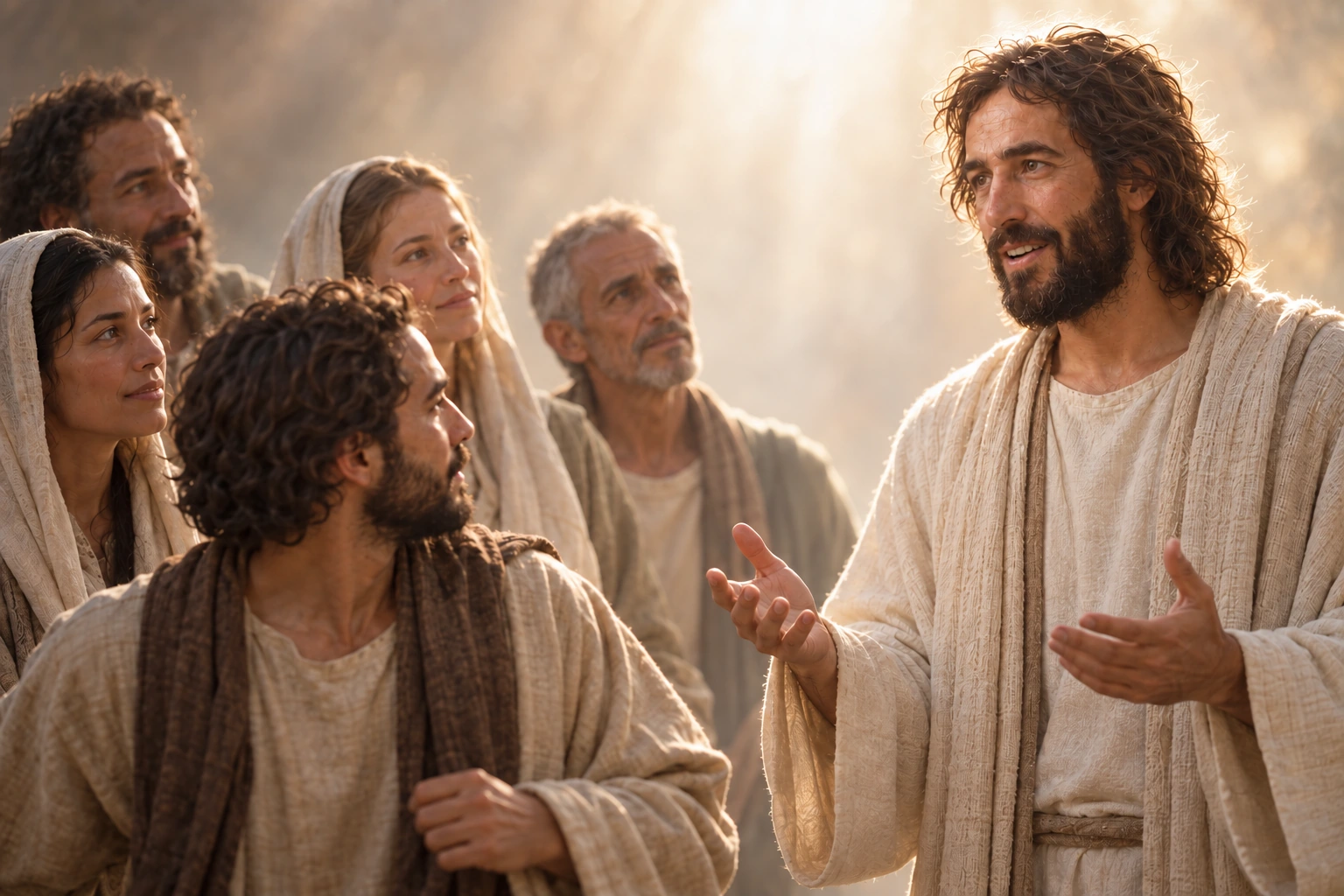
Messengers prepared to serve
The Savior addresses the righteous spirits and sends messengers to carry the gospel onward. Doctrine and Covenants 138 places this ministry between His death and Resurrection.
Doctrine and Covenants 138:18–20 · Doctrine and Covenants 138:29–37
In 1918, Joseph F. Smith records a vision concerning the redemption of the dead. Doctrine and Covenants 138:11–24 describes the righteous assembled in the spirit world and Christ declaring redemption. Doctrine and Covenants 138:27–37 explains how His message reaches others: He organizes faithful messengers and commissions them to carry the gospel to those in darkness.
The date of the vision and the time of the ministry it reveals are different. The passage explicitly places Christ’s described visit between His Crucifixion and Resurrection. It also says He did not personally go among the wicked. Those distinctions help us read the revelation carefully while receiving its broad hope that death does not place people beyond the reach of His redemptive work.
Read and discover
A testimony that gathers the whole journey
Explore and study
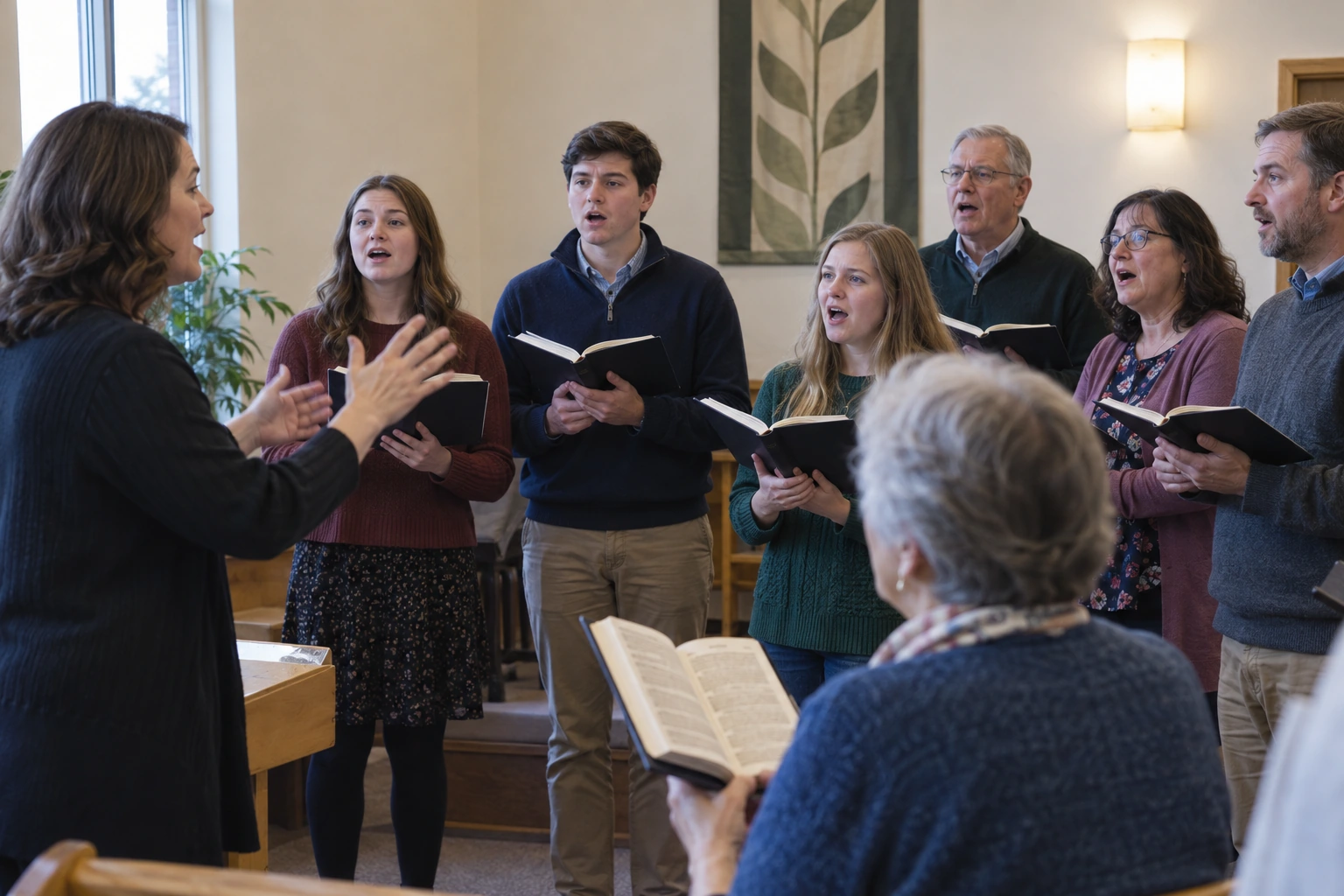
A testimony sung together
Voices join in a quiet room as singers follow their leader. Shared song can become an offering of faith and praise.
The Living Christ, issued on January 1, 2000, gathers the testimony of the First Presidency and Quorum of the Twelve Apostles around the Savior’s identity and mission. It connects Jehovah, creation, mortal ministry, Atonement, Resurrection, Restoration and His promised return. Its scriptural witnesses include the creative role described in John 1:1–3 and the testimony recorded in Doctrine and Covenants 76:22–24.
Read the full testimony through the source link below, then return to one of the original passages it cites. That movement keeps a broad declaration connected to the scriptural accounts on which it draws. The testimony gathers the whole life and mission of Christ without limiting Him to one season or episode. It can become a useful companion as you move between the branches of this journey, remembering how each encounter belongs to the same living Savior.
Testimony also finds expression in worship. Moroni6:9 includes prayer and song in the life of the gathered Church, while D&C25:12 gives the song of the heart a place before God. Singing can help a community attend together to the Savior it confesses.
Read and discover
His love in an ordinary day
Mormon’s teaching preserved in Moroni 7:45–48 describes charity through patience, kindness, humility and endurance, then connects it with the pure love of Christ. He invites hearers to pray to the Father to be filled with that love. The passage presents charity as something received and cultivated, with consequences for how a person lives.
Making time, keeping a promise, bringing useful help or listening patiently to someone who is grieving can give charity a place in an ordinary day. We offer that care freely, allowing others their own feelings and response. As we pray for the pure love of Christ, we can also notice the person who needs our attention now.

Explore and study
Listening before offering help
At the entrance to the home, a resident explains what would help while the others listen. Useful care begins with attention to the person who will receive it.
Read and discover
Remembering Him together
Explore and study
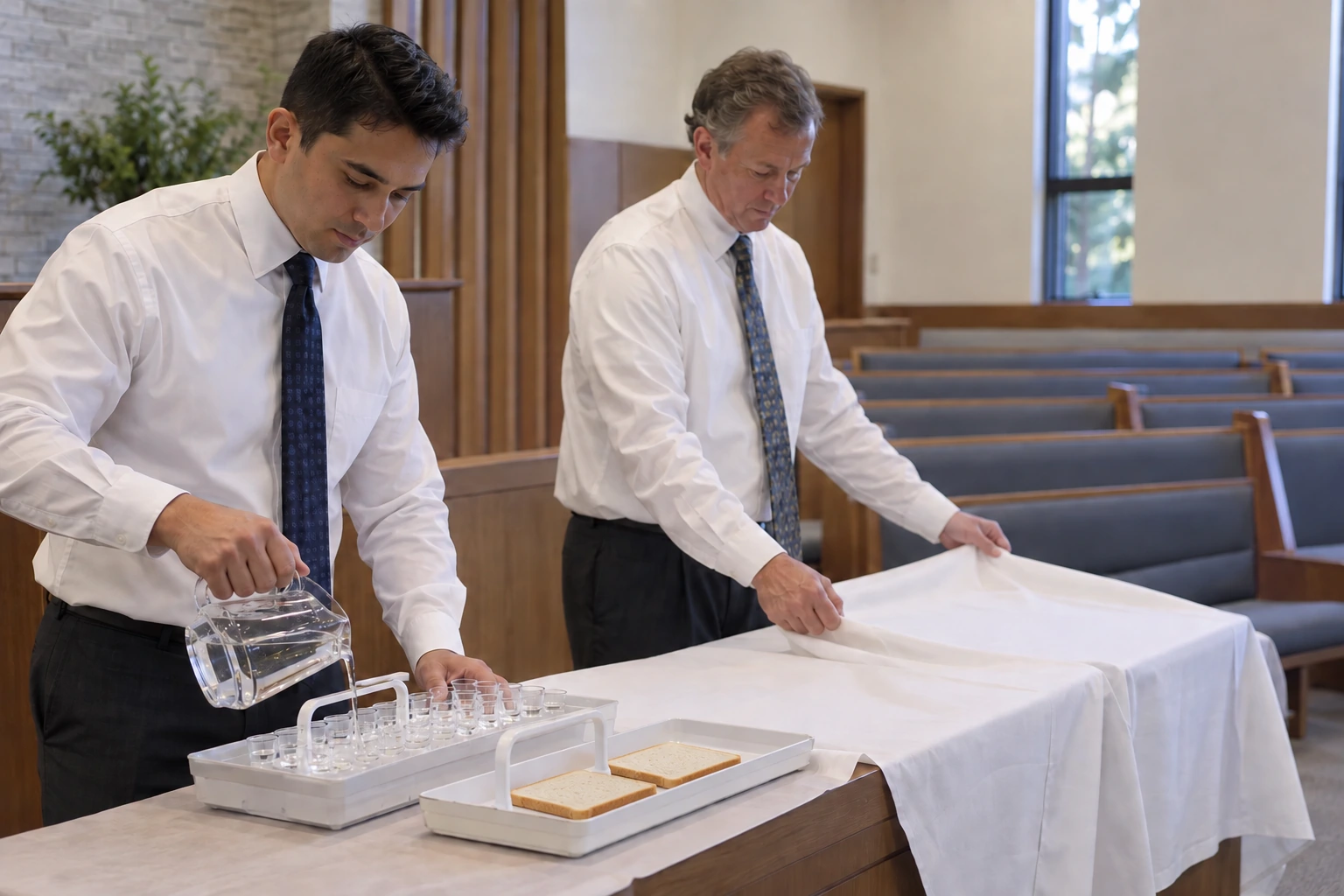
Preparing the table
Quiet preparation makes the table ready for worship. Ordinary hands attend to the bread, water and cloth before the congregation gathers.
Doctrine and Covenants 20:75–79 · Doctrine and Covenants 27:2
The instructions in Doctrine and Covenants 20:75–79 call the Church to meet often in remembrance of Jesus Christ and give the sacrament prayers. Their promises involve taking His name, remembering Him and keeping His commandments. The passage describes bread and wine; Doctrine and Covenants 27:2 explains that the material partaken of is not the central issue when the ordinance is received with a sincere eye to His glory.
Present-day Latter-day Saint worship ordinarily uses bread and water. What the covenant remembrance asks of a disciple reaches beyond the meeting itself. Remembering Christ may change a conversation later that day, the way we repair a wrong or the attention we give a person in need. Worship and ordinary conduct belong to one life rather than two unrelated parts of the week.
Read and discover
Hope while there is work to do
Explore and study
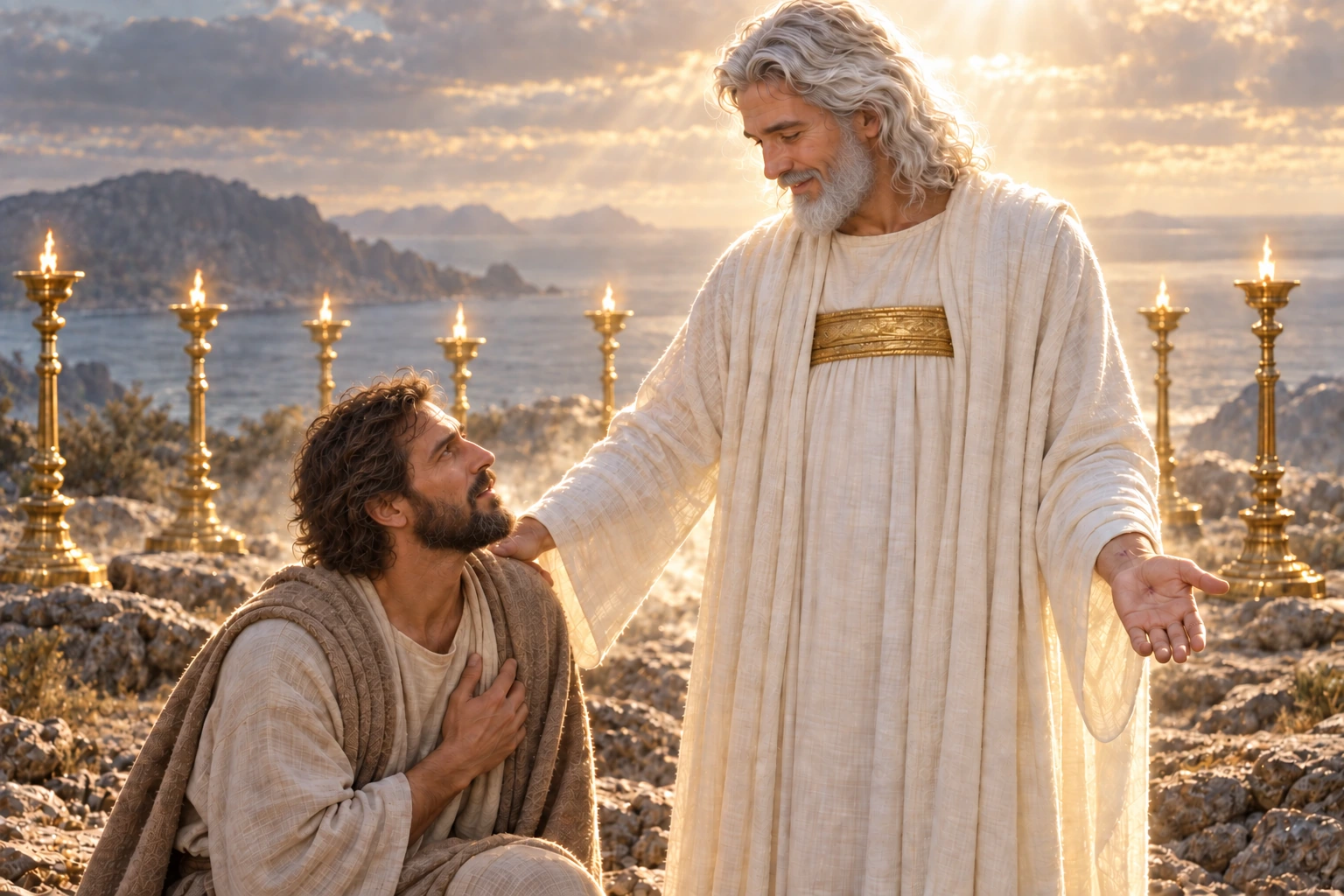
Fear not; I am the first and the last
John looks up as the risen Savior lays His hand upon him. In the vision's brightness, Christ speaks reassurance: He lives for evermore.
The promise following the Ascension in Acts 1:9–11 looks toward Jesus Christ’s return. Doctrine and Covenants 45:44–52 likewise speaks of His coming in glory and connects it with resurrection, recognition and the Lord’s redemptive identity. Latter-day Saint hope reaches forward to that promised future while remaining rooted in the Savior who has already lived, died and risen.
These promises do not give us authority to announce a date or label every troubling event as a settled fulfillment. They invite watchfulness that can be lived through repentance, fidelity, compassion and service. The Jesus Christ journey therefore returns to the present: the One we hope to meet is the One whose words and example can shape how we meet the people before us today.
Revelation1:9–18 offers another witness of the living Lord. John’s fear is met by the Savior’s reassuring touch and testimony of victory over death. That witness gives personal depth to the hope of meeting Him again.
Continue with Jesus Christ
The Same Christ before Bethlehem
Return to His premortal identity and the covenant witness of Jehovah.
Open study →The Redeemer and Risen Lord
Ground living hope in His sacrifice and the scriptural Resurrection witness.
Open study →His Ministry among the Nephites
Study another people’s encounter with the same living Savior.
Open study →The Restored Church of Jesus Christ
Continue with the existing study of Restoration claims, scripture and Church life.
Open study →