
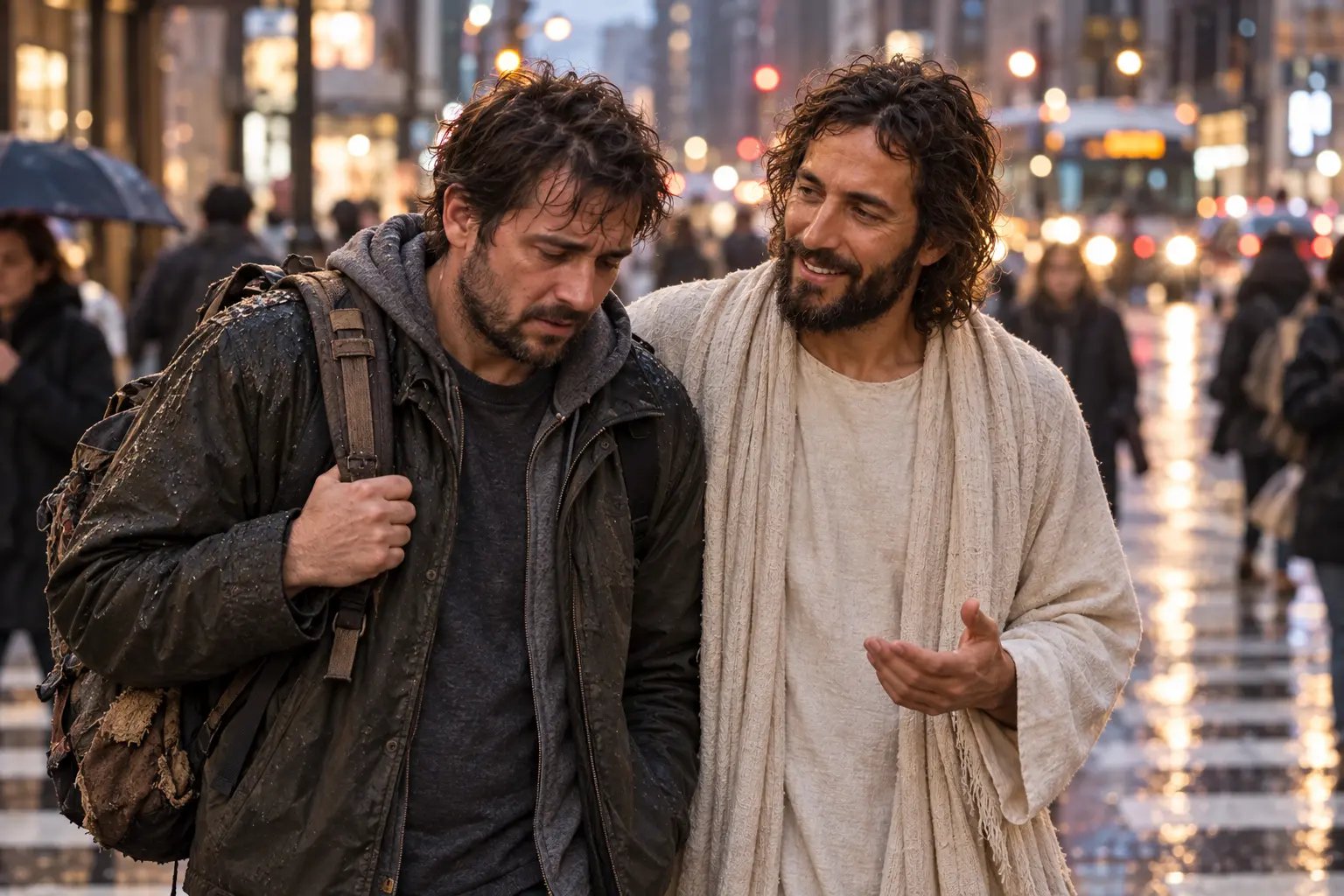
Notice the burdened posture of the man and the Savior's steady place beside him.
Christ walks shoulder to shoulder with a burdened man while the city rushes around them. “Be still” becomes more than escape from noise. It becomes the courage to recognize who walks beside us.
A path through this study
Find Christ in the Press of the Day
The man in the artwork has not stepped outside modern life. Cars, buildings, and other people remain close. Yet Christ is closer. Begin there, then read Psalm 46 in its full setting of shaking earth, roaring water, and unsettled nations.
Hear “be still” inside a psalm about refuge, upheaval, and God's presence.
Choose one faithful action for today and one outcome you can entrust to God.
Scripture study
Stillness in the Middle of Upheaval
Psalm 46 opens with God as refuge and strength. The earth moves, waters roar, and kingdoms shake. The invitation to be still comes near the end, after the psalmist has described God bringing conflict to an end. Biblical stillness is not denial. It is a way of turning to God when the world feels unstable.
The Lord repeats the invitation in Doctrine and Covenants 101:13-17. Here too, comfort comes to people living through distress. The command and promise belong together: be still, and know that He is God.
Peace with the storm still close
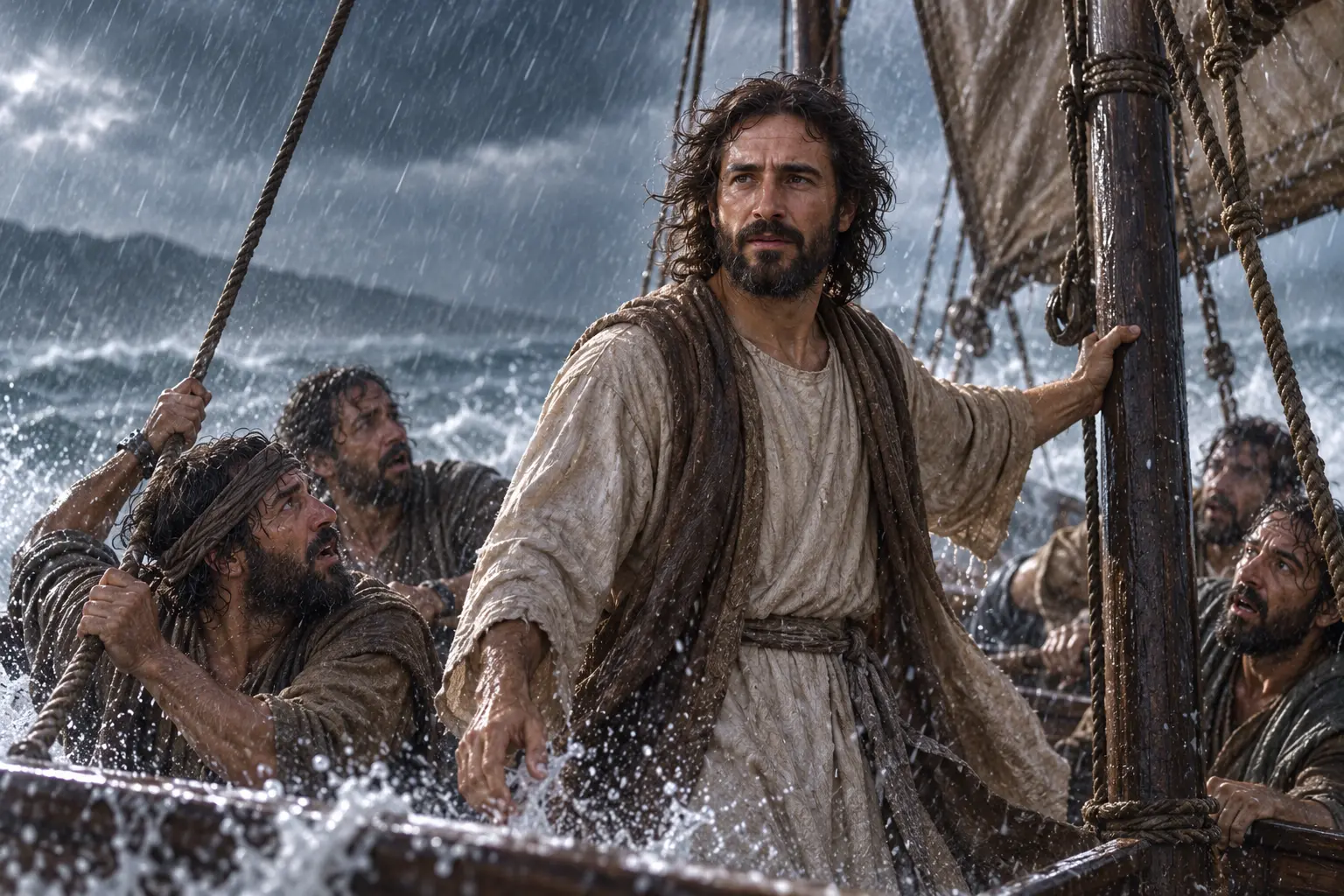
In Mark 4:35-41, frightened disciples wake Jesus in a storm. He calms the sea and then asks about their fear and faith. John 14:27 adds a promise of peace that differs from what the world gives. Together, the passages invite us to seek Christ's presence without pretending every storm ends on our preferred schedule.
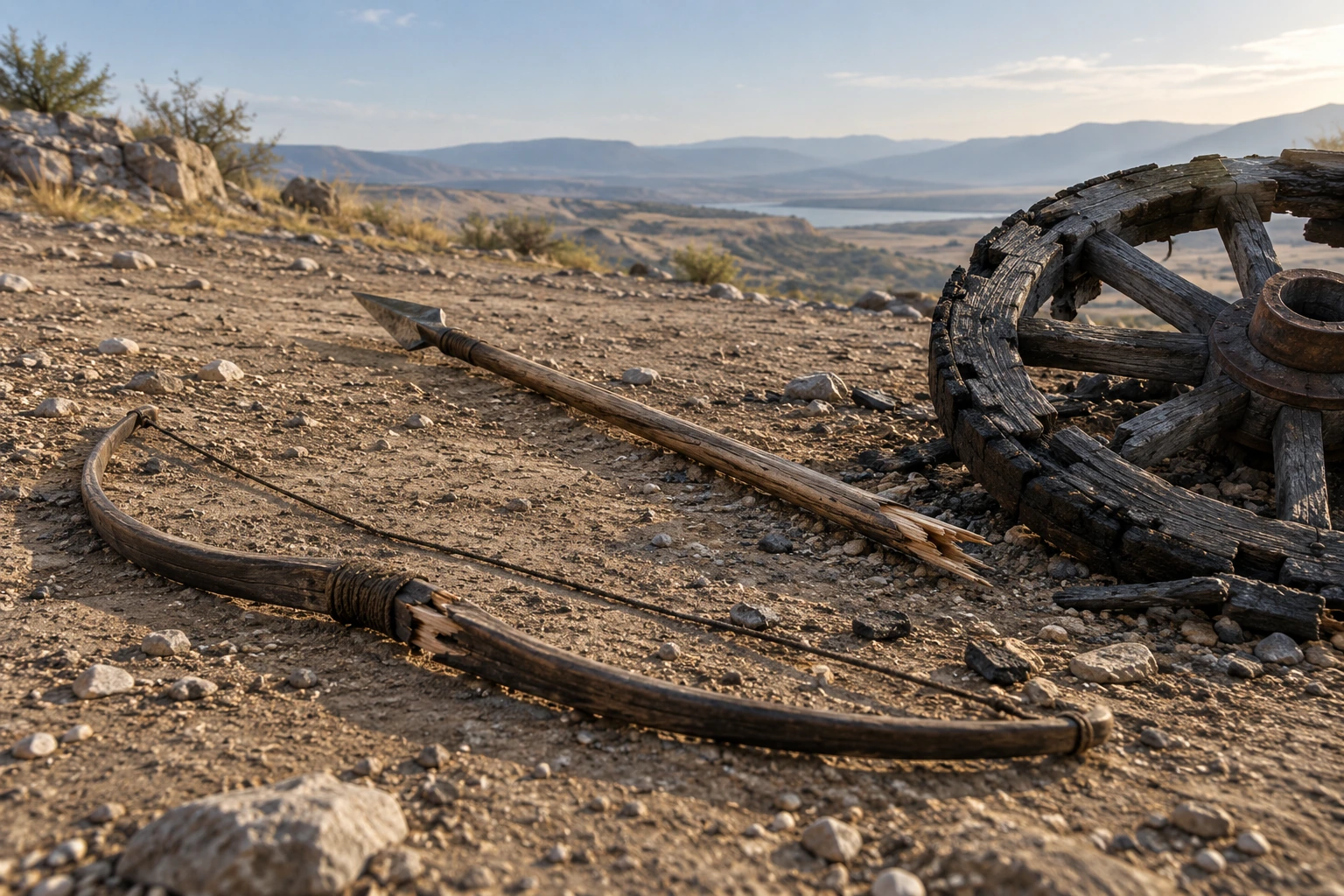
He Makes Wars Cease
Psalm 46:1–3 opens with God as refuge while earth and water are in upheaval. In Psalm 46:6–9, the view widens to raging nations, shaken kingdoms and the end of war. The broken bow and spear belong to that movement. Read these verses before the familiar command to be still, so the psalm’s concern for the whole earth remains in view.
The command in Psalm 46:10–11 is joined to knowing God and to His exaltation among the nations. The psalm closes with His presence and refuge. Its stillness reaches beyond a private moment of calm: it turns our attention toward the Lord amid upheaval and conflict. Let that wider setting shape your prayer for people whose lives are touched by violence and displacement.
Consider: How does reading Psalm 46:6–11 together change what you hear in the words “be still”?
Come Apart and Rest
The apostles return to Jesus and report what they have done and taught. Mark 6:30–32 describes so much coming and going that they have no time even to eat. Jesus invites them to come apart and rest, and they leave by boat. The invitation recognizes the needs of people who have been serving; attending to those needs belongs within the account of their work.
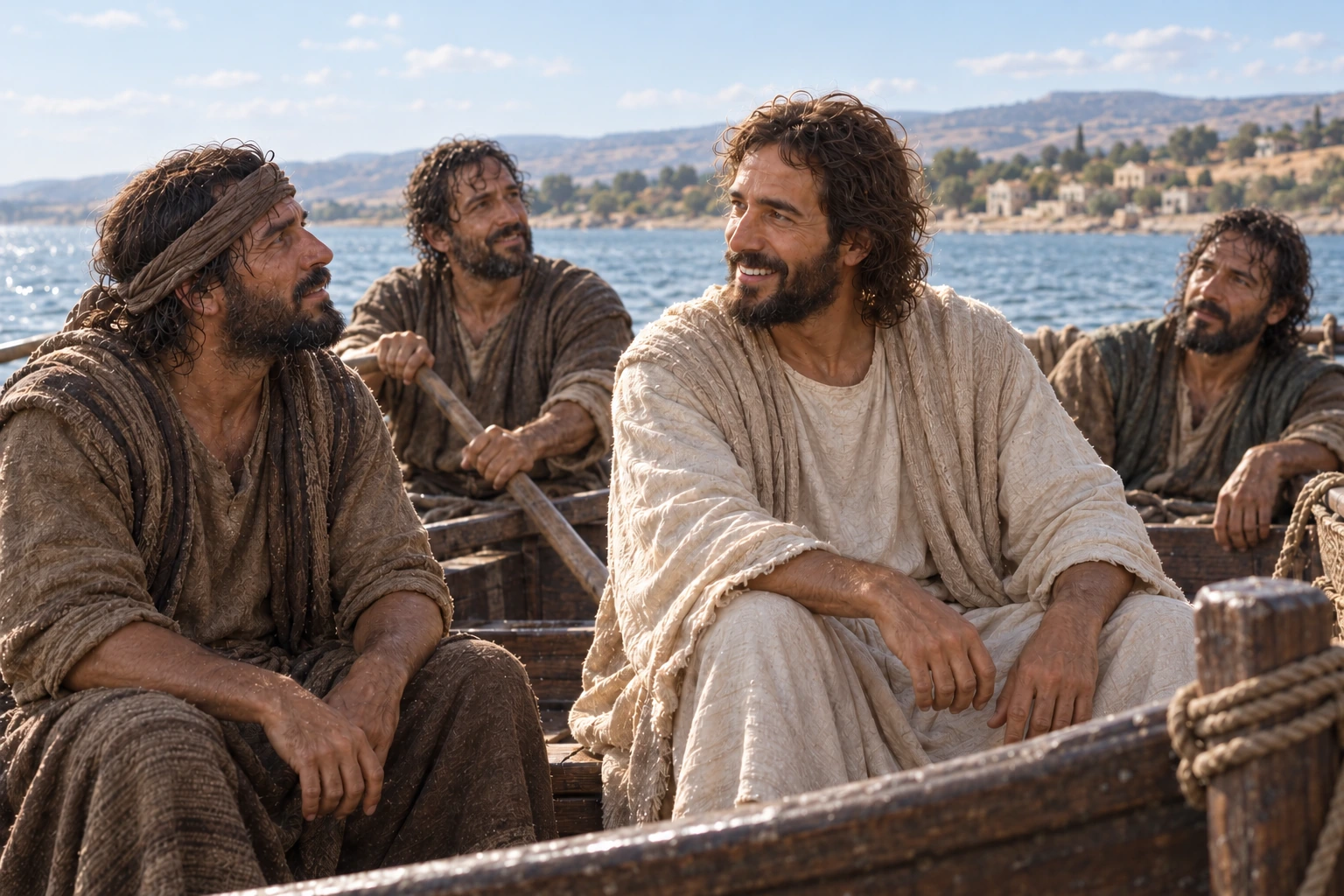
Continue into Mark 6:33–34. People recognize their departure and reach the destination ahead of them. Jesus sees the crowd with compassion and begins teaching them. Rest and compassion both matter in the passage, even though the hoped-for retreat is interrupted. Read the whole movement before turning the invitation into a promise of uninterrupted quiet.
Consider: What needed rest could you receive or help another person receive this week?
Look again
Peace That Walks with Us
These artworks do not all show quiet surroundings. They show companionship, trust, and release within real movement and strain.
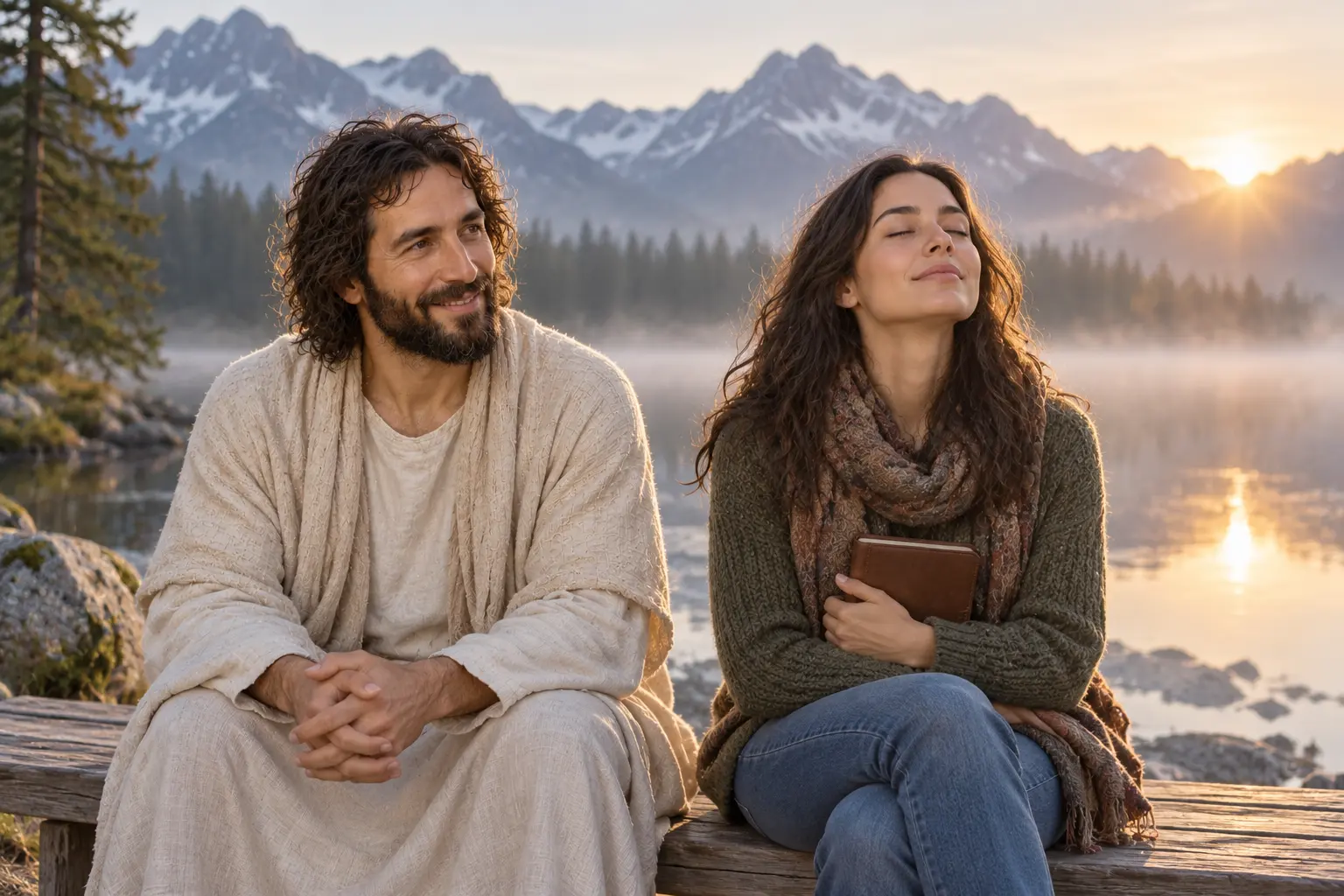

A Pause in the Work
Paul asks the Philippians to bring their requests to God with prayer and thanksgiving in Philippians 4:4–7. The promise centers on God’s peace keeping their hearts and minds through Christ. Read slowly enough to name both parts of that prayer: what you need and what you can give thanks for. The work in the picture remains unfinished, with room for a pause before continuing.
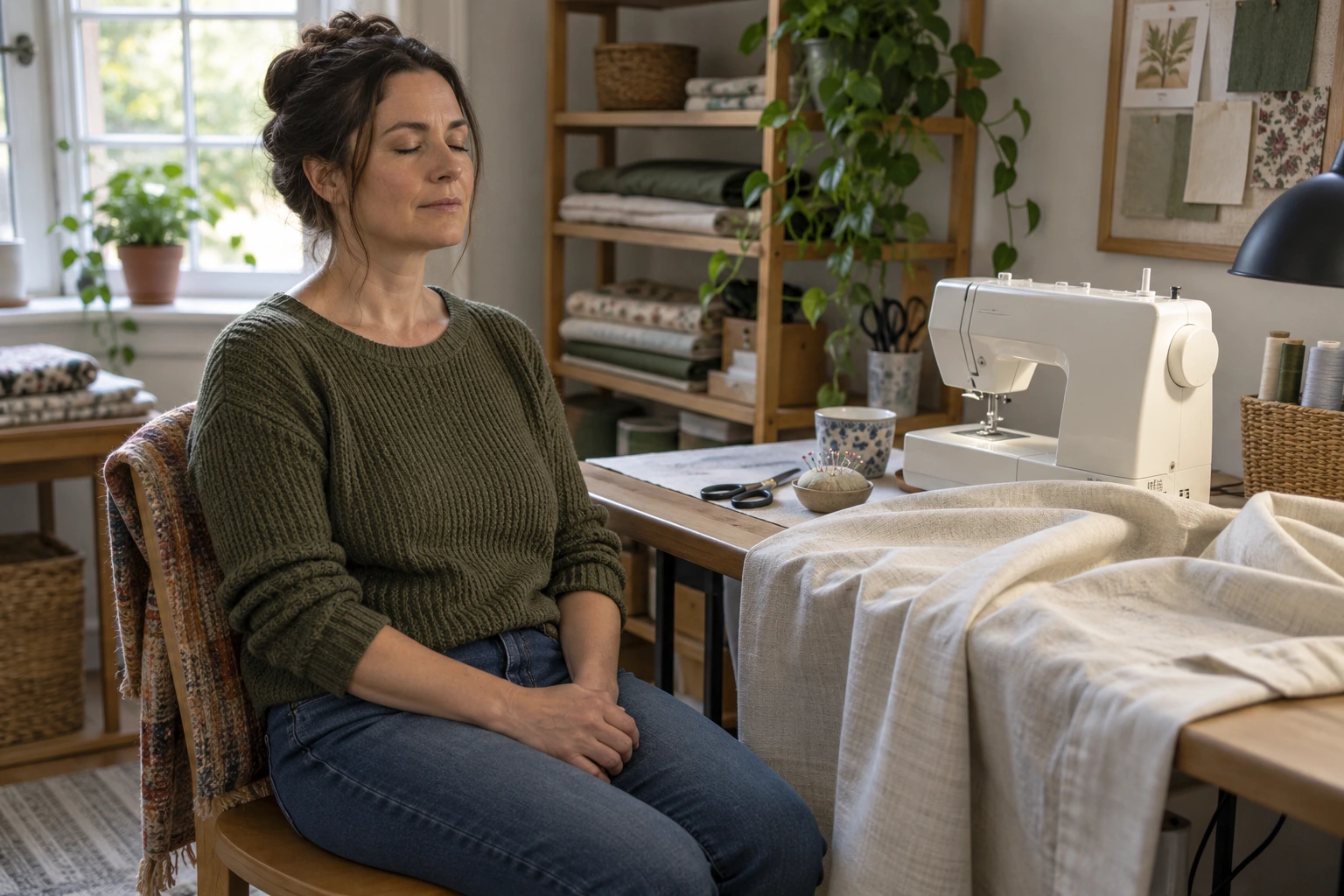
Paul also directs attention toward what is true, honest, just and good, and toward putting learned things into practice in Philippians 4:8–9. Later he speaks of both abundance and need in Philippians 4:11–14. His peace is not described as a life without difficulty. These verses offer a way to pray and act faithfully while circumstances still require care.
Consider: What request and what thanksgiving could you bring to God before the next part of your work?
The long night
Explore and study
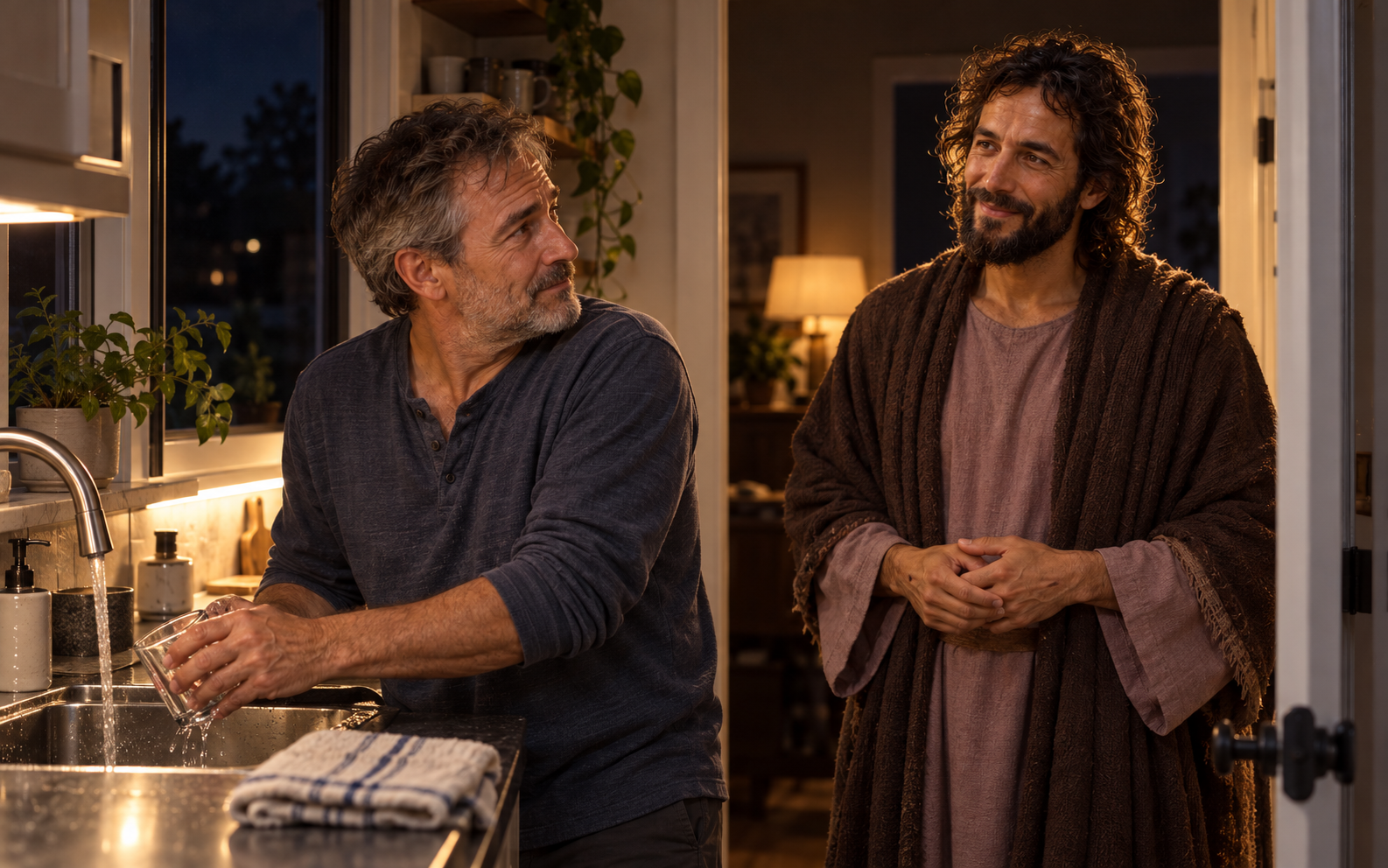
A man pauses while rinsing a glass at night and turns toward Christ standing in the kitchen doorway.
The window is dark, a towel waits by the sink, and a man pauses with a glass in his hands. Christ stands nearby in the doorway, giving him unhurried attention. The picture notices an ordinary task at an hour when much of the world is resting.
Christ invites the weary to come to Him. Caregiving includes hours that few people see, and the person giving care needs care in return. Taking a turn at a task or keeping a promised visit can offer welcome rest. It can also give loved ones time to enjoy being together beyond the duties of the day.
What small rest or shared responsibility could help a caregiver you know?
Quiet reflection
Be Still, Then Walk Forward
Stillness can prepare the heart for faithful action. Open one prompt and stay with it for a few minutes.
What remains steady when life feels unsettled?
Read Psalm 46 and list what changes in the chapter. Then list what the psalm says about God. Let the contrast shape a short, honest prayer.
What can I do, and what can I entrust to God?
Name one responsibility you can act on today. Then name one outcome you cannot control. Doctrine and Covenants 58:26-28 can help you hold agency and trust together.
Who could use a quiet companion?
The Savior in the artwork does not speak from across the street. Think of someone whose burden may need your presence more than your advice.
Slow Enough to Hear
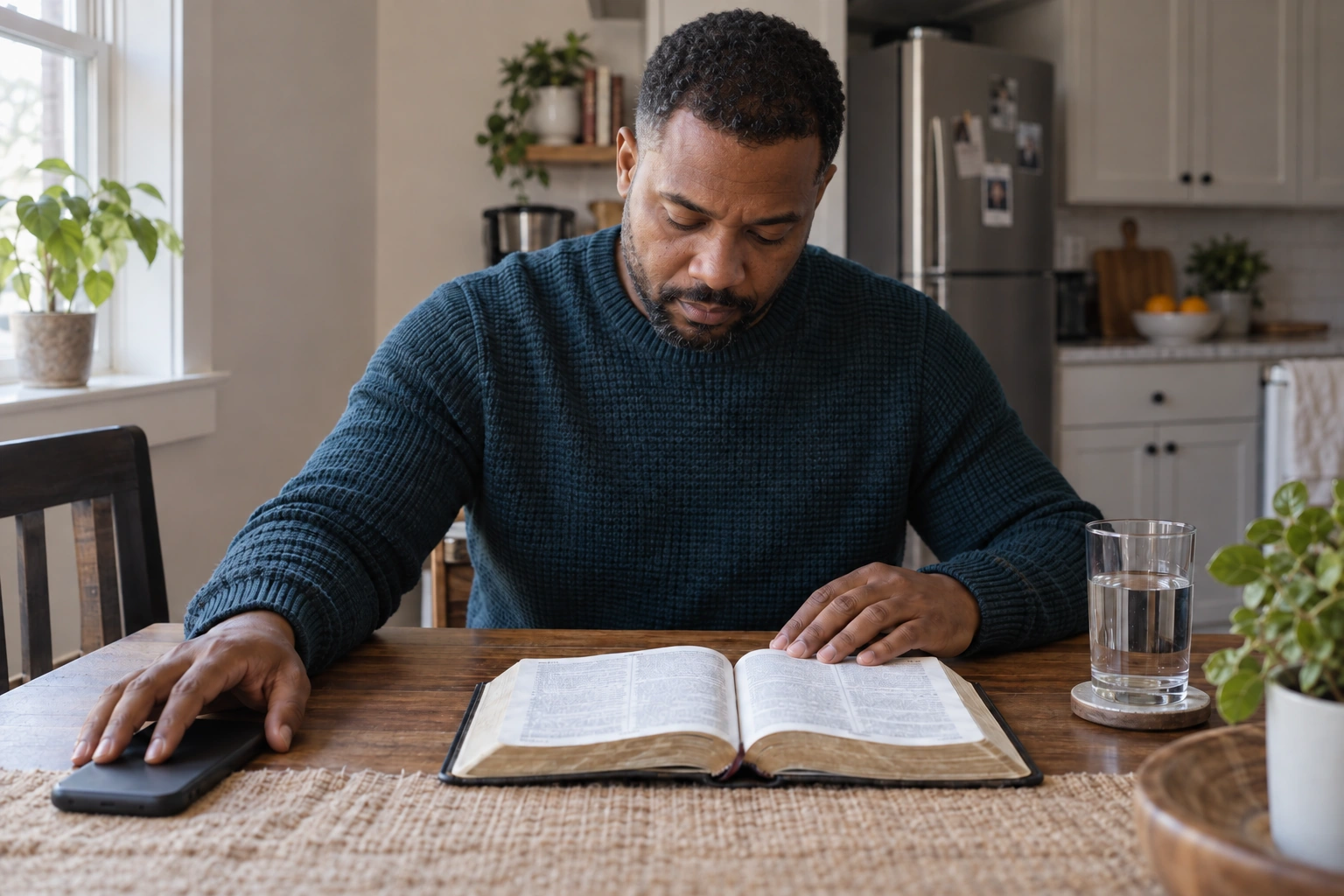
James places hearing, speech and anger together in James 1:19–20. A quick answer can arrive before we understand what was said; anger can make that failure harder to notice. Pausing a task long enough to listen offers one concrete way to consider his counsel. Look at the stopped work in the picture, then think about the attention a real conversation may require.

The invitation continues into action in James 1:21–22. Receiving the word humbly should change what we do. James later describes wisdom as gentle, merciful and willing to be approached in James 3:13–18. Listening need not solve everything at once to be worthwhile. It can help us understand the next faithful response with more care.
Consider: What helps you set a task aside and give someone your attention before deciding what to say?
Watch, read, and reflect
A companion for your study
These official Church resources offer another way to explore this subject. Read or watch at your own pace, then return to the passages above.
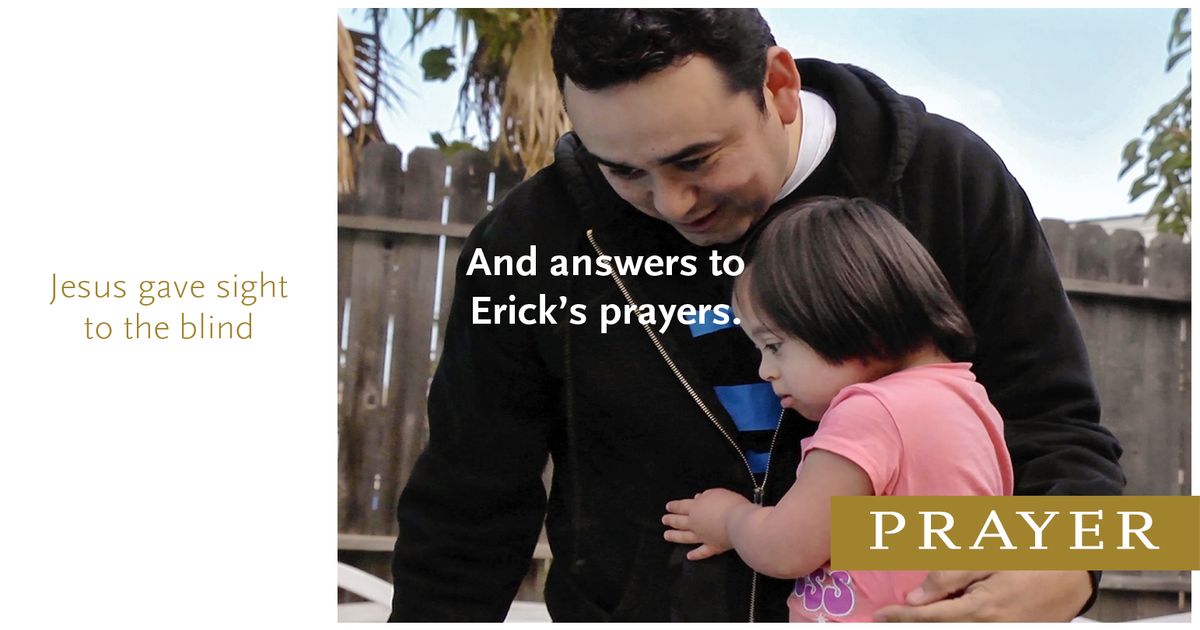
Church video
Principles of Peace: Prayer #PrinceofPeace
Explore prayer as a way to seek the peace Jesus Christ promises.
The Church of Jesus Christ of Latter-day Saints
Church video
Finding Personal Peace
Listen for ways the Savior’s peace can be received and then passed to another person.
The Church of Jesus Christ of Latter-day Saints
Let Peace Become a Choice
James asks the wise person to show wisdom through good conduct and meekness in James 3:13–16. He contrasts that with envy and strife. The question reaches ordinary disagreements as well as public ones: are we trying to understand and respond, or only to defend our position?

Wisdom from above is peaceable, gentle and full of mercy in James 3:17–18. Benjamin likewise connects a changed heart with living peaceably in Mosiah 4:13. A small adjustment may sometimes express that willingness. The image invites us to consider a response that takes a neighbor seriously, while leaving room for continued conversation when needs differ.
Consider: What small change could you consider in a disagreement, and what still needs to be understood together?
Keep walking
Where Would You Like to Go Next?
Pray and Discern
Continue from stillness into prayer, careful listening, scripture, and responsible choice.
Faith During Trials
Seek the Savior's help through hardship, including days when relief feels far away.
Meet the Living Christ
Follow the One beside you into the Resurrection witnesses of John 20.