Read and discover
Let Jesus reshape the question
The lawyer asks who his neighbor is. At the end of the Good Samaritan, Jesus asks which traveler acted as a neighbor. Attend to that change in the question. It directs the study away from finding the narrowest boundary of responsibility and toward the shape of merciful action. Luke 10:25–37
Read the particular needs in each passage. The injured traveler needs immediate care and an inn; the guest needs welcome; the person at the gate needs attention that never comes. Combining them into a general instruction to be kind can hide what each story asks us to see. Luke 16:19–31
The imagined modern encounters below bring the question of neighborly care close to home. Consider what useful help might look like for the person before you: ask, listen and think about what continuing care may require.
Read and discover
See the need before passing by
Explore and study
Listening before helping
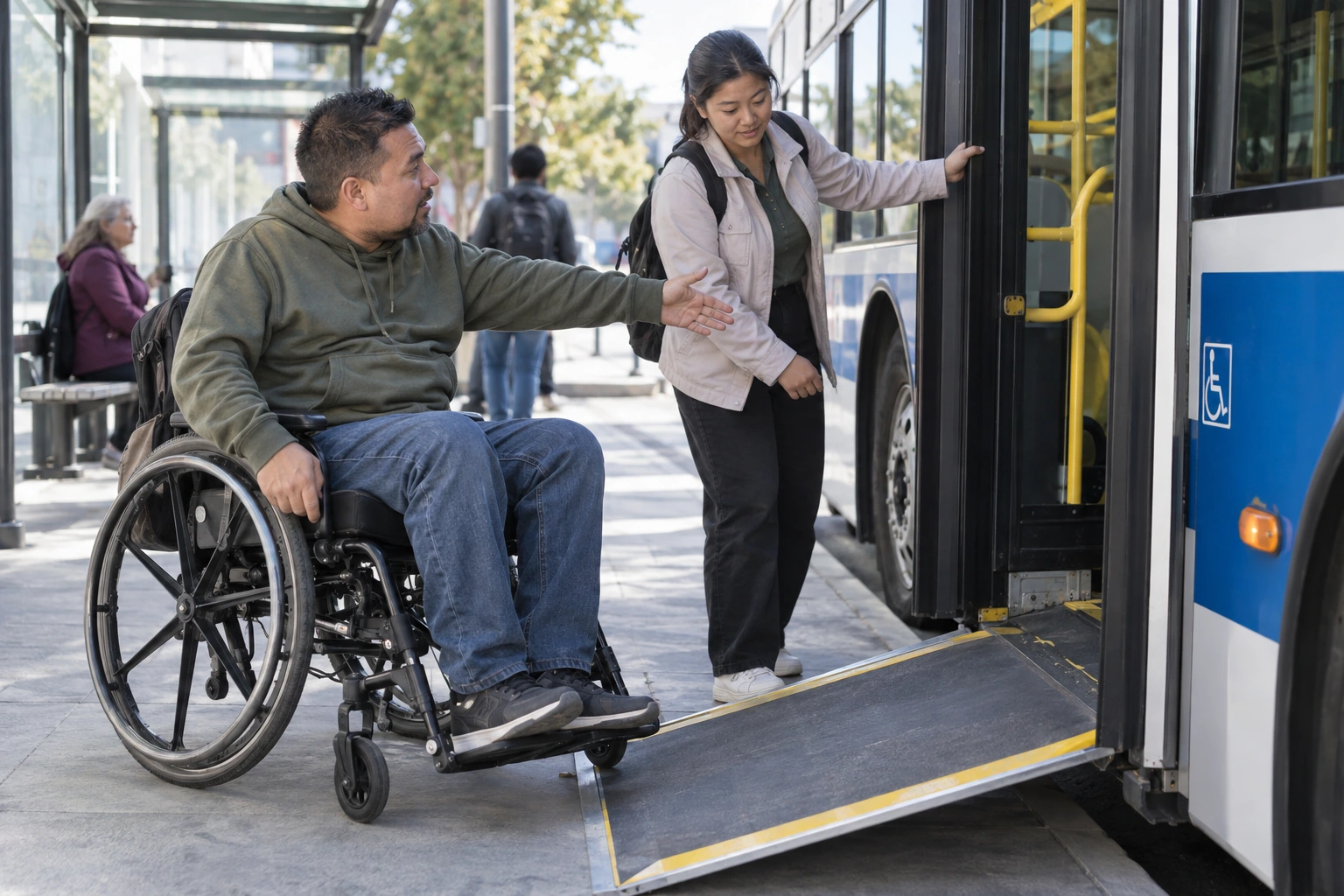
A wheelchair user gestures toward the bus entrance while another rider listens. The Samaritan's attentive care asks us to notice a need and listen to how help is wanted.
The wounded traveler is seen by three passersby, but seeing produces different actions. Jesus does not explain the priest's and Levite's private motives. The Samaritan's compassion becomes treatment, transport, and care. The account gives us enough to consider the response without inventing excuses or secret thoughts. Luke 10:30–35
Practical help often begins by asking what is needed. A person using a wheelchair may know exactly which action would be useful; a stranded motorist may need a safe call rather than an improvised repair. Mercy can respect competence, seek consent, and involve the right help.

Explore and study
Safe help beside a stalled car
Two people wait together in a broad pullout while one makes a call. Arranging useful help can be a practical way to respond to the person before us.
Read and discover
Make the invitation usable

Explore and study
Making room for communication
Three people face one another and communicate with hand gestures. Jesus' teaching about welcome asks whether we will learn what helps others participate.
At a meal, Jesus moves from the places guests seek for themselves to the people a host chooses to invite. He names those who cannot repay the invitation, then tells of a supper whose welcome reaches people first left outside it. Hospitality is connected with humility and generosity. Luke 14:7–24
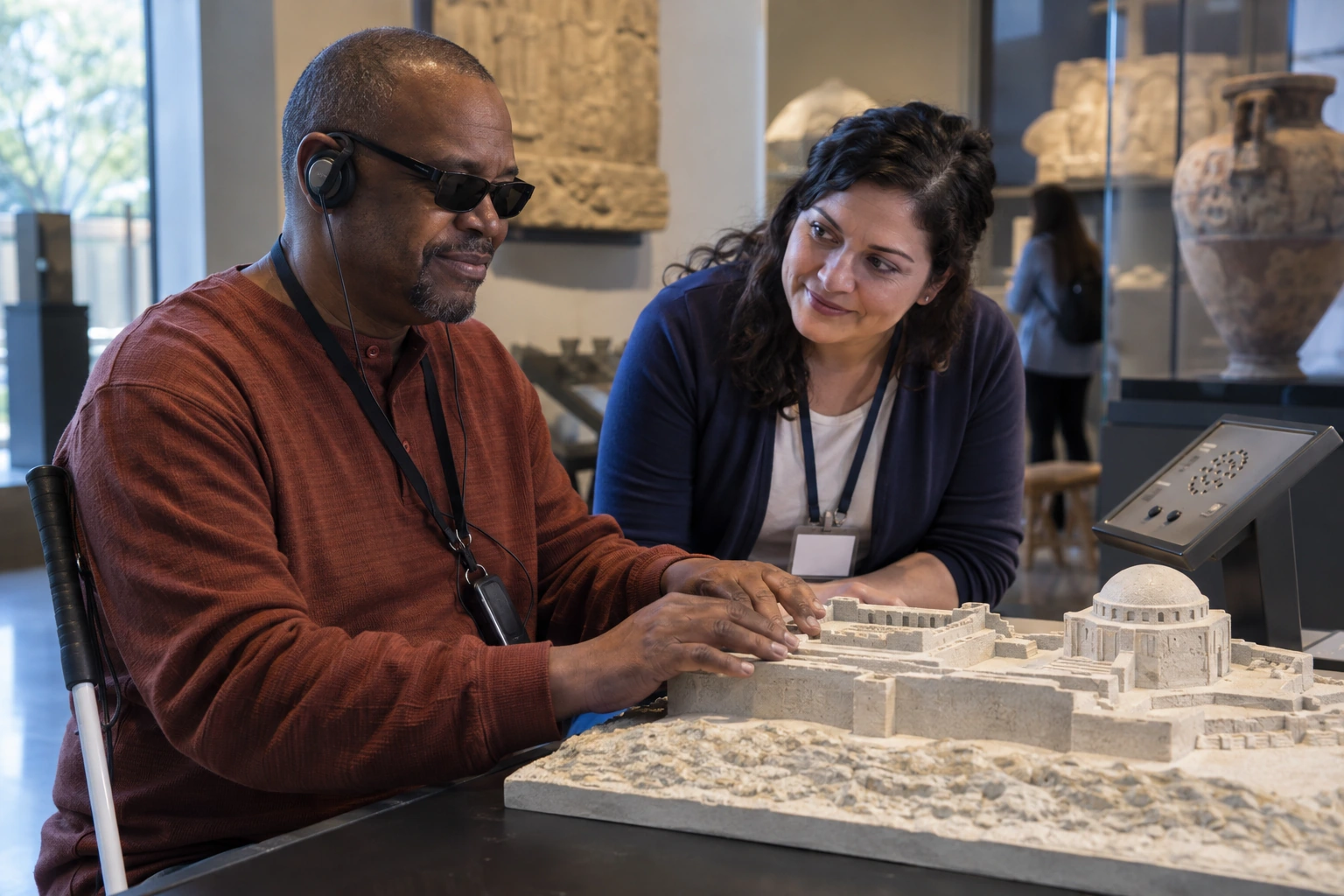
A welcome becomes tangible when people can communicate, move through a space and take part. The pictured encounters ask us to listen to the person being welcomed and make useful changes together, respecting their choices and experience.
Explore and study
Access that supports participation
A visitor explores a model through touch while a woman attends beside him. A thoughtful welcome includes access and respects each person's pace.
Read and discover
Let concern become continued care

Explore and study
Preparing clean bedding
A woman folds a blanket among stacks of bedding. Jesus' teaching about clothing and welcoming others can guide quiet preparation for someone else's need.
The Samaritan does not leave the traveler at the edge of the road after an expression of sympathy. He makes provision for continued care. The King's words in Matthew also name ordinary needs with concrete actions: food, drink, clothing, welcome, and visits. Luke 10:34–35
Some care is visible; some happens before anyone arrives. Preparing clean bedding, adjusting a shared space after listening, or keeping a promised visit can matter without applause. The spiritual connection is an invitation to attend to people, not a claim that completing a checklist allows us to announce the final judgment of ourselves or others. Matthew 25:35–40

Explore and study
Making a room easier to use
One coworker adjusts a lamp and fan while another raises a hand near her eyes. Care can begin with noticing discomfort and working together on a useful change.
Read and discover
Offer mercy with responsible care
Explore and study
Keeping a prison visit
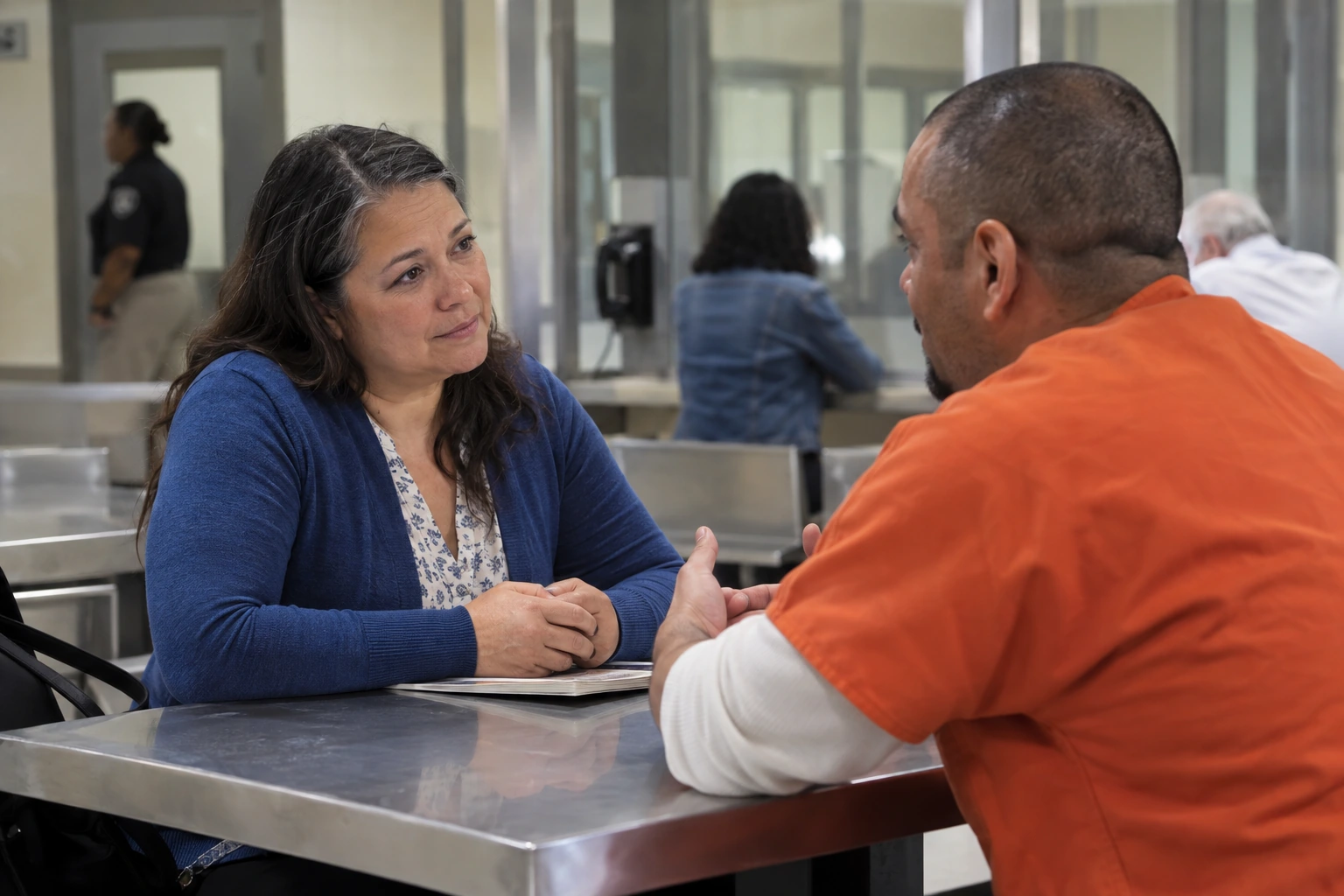
Two people give one another their attention across a visiting-room table. Jesus includes visiting prisoners among the acts of care remembered by the King.
Jesus includes visiting a prisoner among the acts remembered by the King. He also challenges resistance to Sabbath healing through a rescue everyone recognizes. These teachings keep attention on people who might be overlooked or treated as an inconvenience. Matthew 25:36
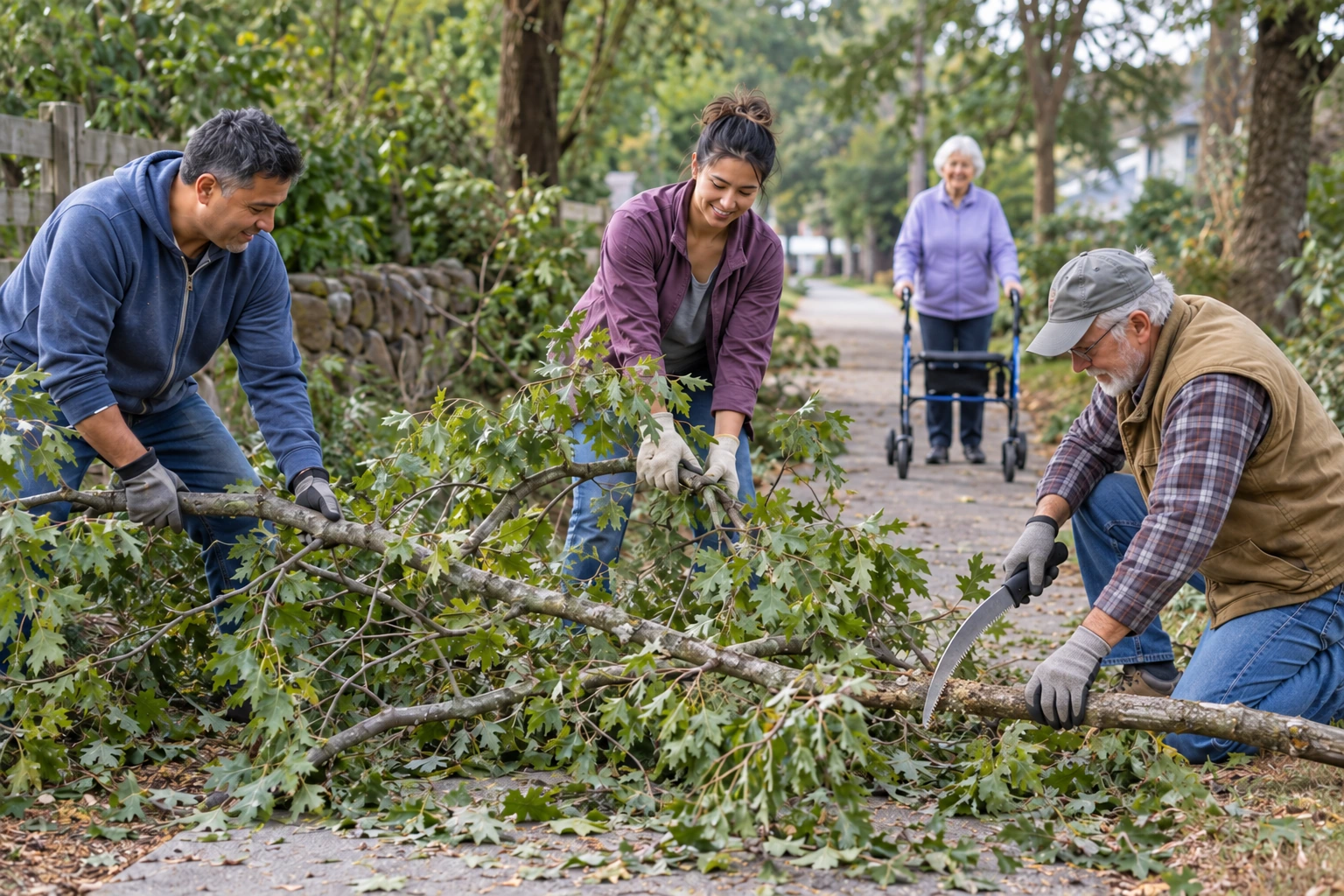
Care does not require ignoring safety, skill, or healthy limits. We may need to coordinate a visit, clear a hazard carefully, or involve a professional. Responsible boundaries can help mercy become dependable instead of impulsive. The question remains what good can be done for the person before us. Matthew 12:9–13
Explore and study
Reopening the shared path
Neighbors work on a fallen branch while a woman with a walker waits nearby. Jesus' teaching about doing good can become a careful shared task that helps others use the path.
Read and discover
Bring the teaching into your own reflection
Read and discover
Explore every study in this collection
Parables and story pictures
The Sheep and the Goats
The Son of Man identifies care for people in need with service to Him. This is an extended judgment scene with a shepherd comparison, commonly included among parables.
Open study →The Good Samaritan
A question about the neighbor leads to concrete mercy across hostility. The conclusion asks who acted as a neighbor; avoid assigning unsupplied motives to passersby.
Open study →Choosing the Lower Place
Jesus observes guests choosing places of honor. His instruction moves from humility to hospitality that does not seek repayment.
Open study →The Great Supper
Invited guests excuse themselves while the host welcomes people often excluded. Keep the specific invitations and excuses intact; do not merge with Matthew's royal wedding.
Open study →The Rich Man and Lazarus
The reversal of the rich man's comfort and Lazarus's suffering culminates in the call to hear Moses and the prophets. This Lazarus is not identified as Lazarus of Bethany.
Open study →Related comparisons and allegories
Settling with an Adversary
The legal journey illustrates urgency. Offer spiritual reflection without turning it into individualized legal advice.
Open study →The Sheep in the Pit
A rescue question supports doing good on the Sabbath. Luke uses an ass or ox in a related scene; do not label the two identical stories.
Open study →Continue with Jesus Christ
Mercy, Repentance, and the Joy of Returning
Explore the searches and welcomes that teach the worth of the one.
Open study →Faithful Stewardship and the Cost of Discipleship
Consider how time, resources, and responsibility can be used for another person's good.
Open study →Hearing and Living His Word
Move from recognizing a good teaching to practicing it with attention and humility.
Open study →